
How To Use Pinterest For Business Marketing
Introduction: The Platform Brands Overlook
Pinterest is a visual discovery engine and social media platform used for finding, saving, and sharing inspiration, often described as a digital pinboard. It has 600 million global users, of which there are approximately 10.75 to 15.5 million active users in the UK alone.
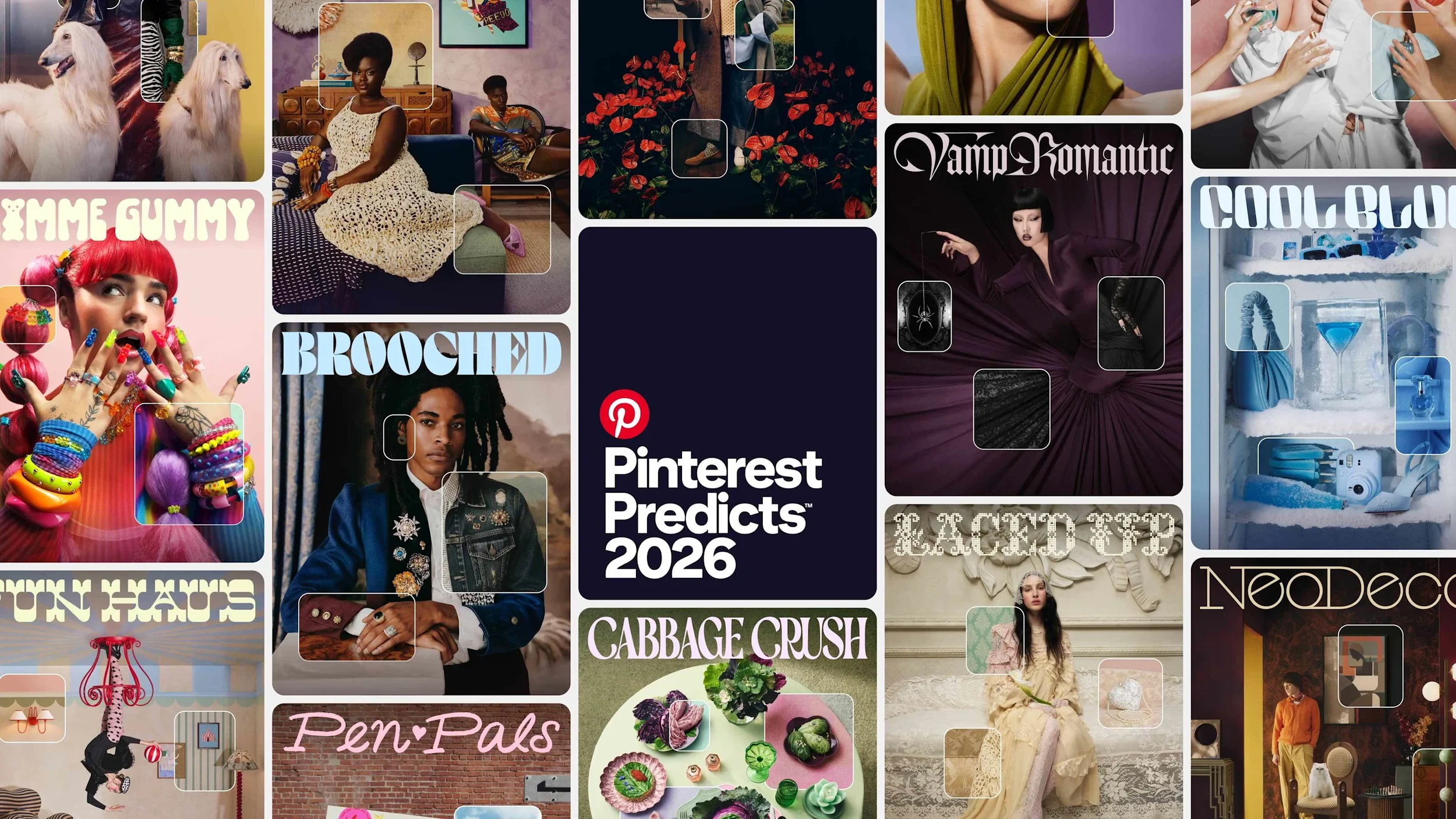
However, many brands and design businesses continue to see the platform as simply an inspiration board rather than as a marketing tool. People come to the site, save ideas for themselves and their clients, and leave. This is simply not the case anymore. It’s a powerful search engine, disguised as a social platform. And beyond that, it acts as a discovery engine with a long shelf life.
This combination of search intent and content longevity makes Pinterest particularly effective for sustained referral traffic and incremental brand visibility.
The reality is that Pinterest marketing remains an underused lever for sustained brand awareness and qualified reach. To understand why, it is important to look at how the platform functions differently from traditional social media.
Why Pinterest Marketing Works Differently
Pinterest as a Visual Search Engine
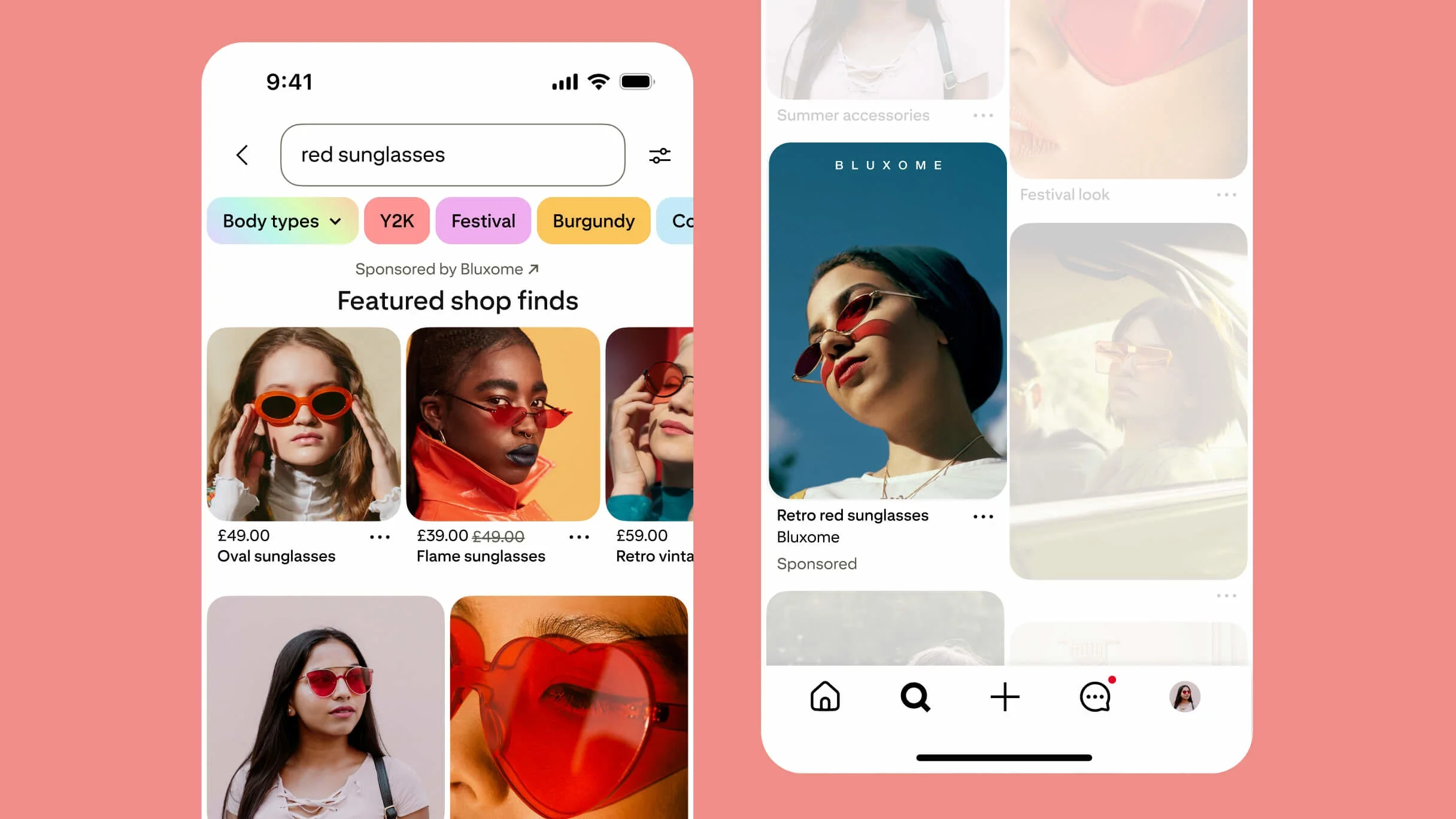
With Pinterest, user intent is proactive, not passive. People come to the site looking for inspiration and aspiration, and can often leave the site via a pin that catches their eye. In comparison to Google search behaviour, Pinterest is much more aligned with user intent than on platforms such as Instagram.
Users come to Google, type specific queries and are either problem or solution aware. They want options, answers or comparisons. On Pinterest, users search visually and aspirationally. Queries often signal future purchase intent, such as “Kitchen renovation ideas” or “small office layout”. Pinterest users are often earlier in the decision cycle than Google users, but they are still high intent.
Google is there for a problem/resolution. Pinterest is there for inspiration-led planning. This makes Pinterest a powerful tool for brand awareness at the discovery stage.
Evergreen Content vs Algorithm-Driven Decay
Most social platforms move quickly. A post gains traction for a day or two, sometimes three, and then visibility drops away. The algorithm moves on, and brands are pushed to produce the next piece of content.
Pinterest does not operate in quite the same way. Because users discover content through search rather than recency alone, a well-optimised pin can resurface weeks or even months later. In Home verticals, attribution windows can stretch to 20 to 25 days, so content may continue influencing decisions long after it was first published.
This changes the dynamic. Instead of chasing immediate spikes in engagement, brands can build visibility gradually and utilise Pinterest for long-term business promotion. Educational guides, infographics and data-led visuals continue to appear when relevant searches are made, supporting steady impressions and referral traffic over time.
For organisations focused on brand awareness and market reach, longevity matters. In a digital environment where attention is often fleeting, Pinterest offers something more sustained.
Pinterest and Brand Awareness Strategy
Top-of-Funnel Discovery: SEO FOR PINTEREST
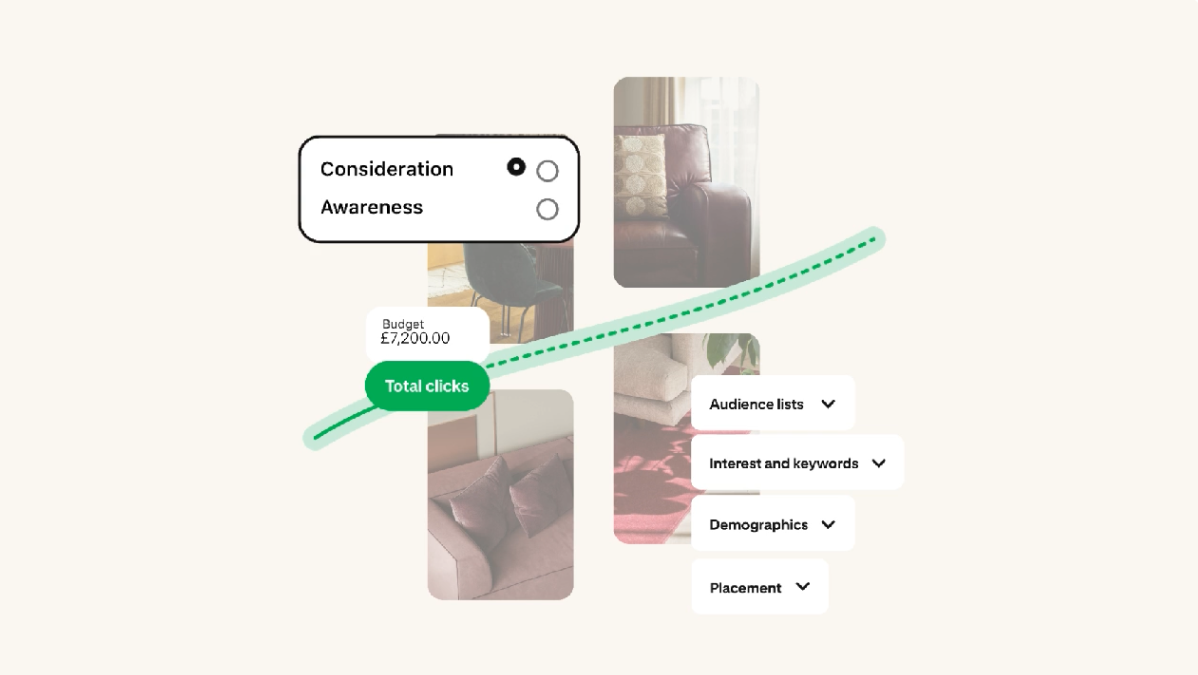
Top-of-funnel discovery is about visibility before active comparison or purchase. It is where awareness and perception are formed. For example, users might be planning renovations, exploring design ideas, considering a holiday destination or aesthetic directions, or simply saving ideas for later.

For Thompson Hotels, reaching their audience during both the awareness and consideration phases led to 2.3x higher click volume and a 2x higher ad click-through rate.
This is strategically valuable because it allows brands to appear before users move into more transactional Google searches. They have a moment to influence taste and preference early, and also be associated with aspiration, stealing a march on any competition, with eyes on your brand before anyone else.
They aren’t actively seeking providers, but instead shaping preferences and what ‘good’ looks like. The platform is, of course, image-led, so elements such as brand colours, typography, mood and aesthetic positioning are essential to building early perception; simply put, create pin-worthy graphics. This then supports brand recall later in the marketing funnel, when people are moving from consideration to purchase. In marketing psychology terms, there is potentially a familiarity bias in future searches, and a higher likelihood of increased click-through when users encounter the brand elsewhere.
Ultimately, top-of-funnel discovery works best when content is educational or inspirational, when boards are theme-led, when visual identity is consistent, and, of course, when keywords align with aspirational search behaviour.
It’s a common theme we see in our industry. No one will be searching for “1 Kensingston Mews London Project”; they will search for “Mews house renovation” or “London Townhouse interior”, for example.
Thought Leadership via Infographics and Guides
Let’s consider a specific content example - a white paper or research report. On LinkedIn, it may function as long-form thought leadership, designed to demonstrate expertise and drive professional engagement. On Pinterest, that same asset can serve a different strategic purpose.
Pinterest rewards structured, visual content. A report can be repurposed into infographics, step-by-step guides, data visualisations or thematic boards that distil complex insights into accessible formats. Rather than promoting the document itself, brands can translate key findings into visual narratives that align with search intent.
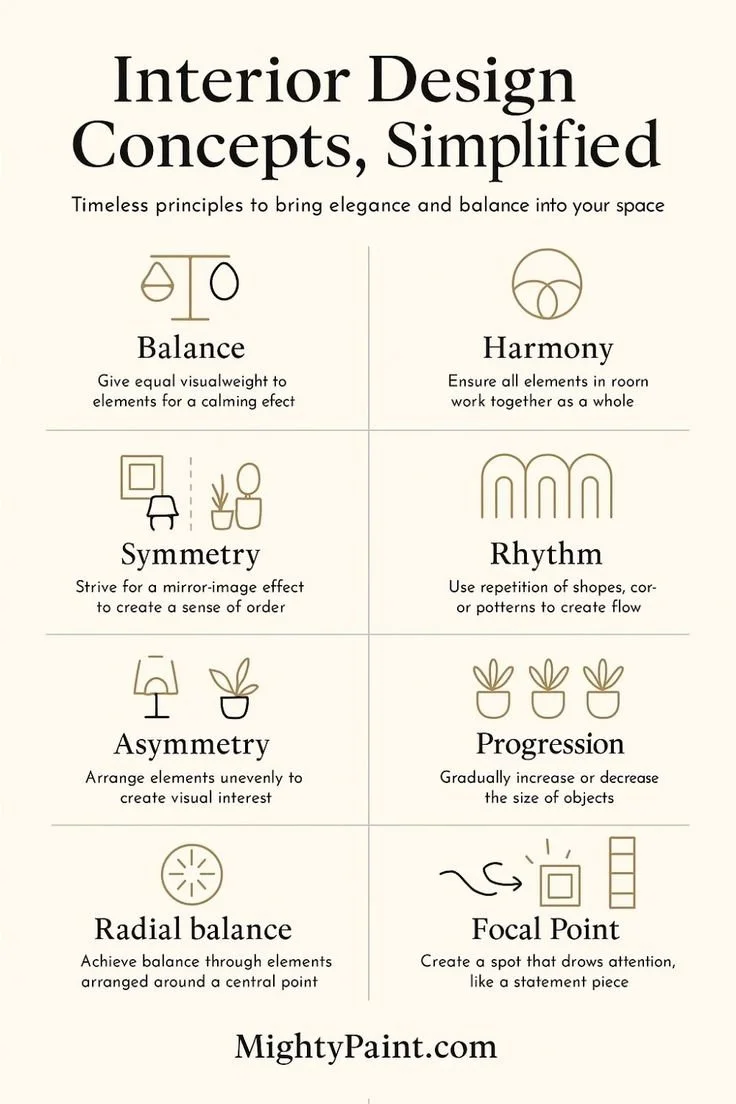
The underlying content remains the same. The format changes.
By transforming report data into well-designed infographics, organisations extend the lifespan and reach of their intellectual property. Pinterest users searching for “interior design trends 2026,” “hospitality industry trends,” or “property market research insights” are not necessarily looking for a 40-page download. They are looking for clarity and inspiration.
This approach positions Pinterest marketing as a distribution layer for thought leadership. It enables brands to surface expertise at the early stage of exploration, turning research into a searchable, visual authority. The same principle applies beyond consumer brands.
Pinterest for B2B and Professional Services
There is a persistent misconception that Pinterest is exclusively consumer-facing. While lifestyle, retail and hospitality brands have leveraged the platform effectively, its value extends into B2B marketing and professional services.
Decision-makers use Pinterest during early-stage planning just as consumers do. Searches related to “brand strategy framework,” “office design concepts,” “corporate rebrand examples,” or “industry trend reports” reflect research intent within professional contexts. At this stage, users are shaping direction rather than selecting suppliers.
How to use Pinterest for marketing your business
For B2B organisations, this creates an opportunity to enhance discoverability through structured boards focused on industry insights, white papers, case studies and visual explainers. Research findings can be translated into infographics. Frameworks can become step-by-step visual guides. Campaign results can be distilled into shareable data summaries.
This approach positions Pinterest not as a social add-on, but as a search-led visibility channel for expertise. By aligning keyword-rich descriptions with visually coherent assets, professional services firms can surface authority at the earliest point of exploration.
When integrated strategically, Pinterest strengthens the broader digital ecosystem rather than operating in isolation.
Integrating Pinterest into a Broader Digital Strategy
When approached strategically, Pinterest should not operate as a standalone social channel. Its value lies in how it complements existing SEO, GEO, content marketing and thought leadership efforts.
Blog articles can be distilled into visual guides. Research reports can become infographics. Campaign imagery can reinforce brand positioning across search-driven discovery. By aligning Pinterest keywords with website SEO priorities, organisations create multiple entry points into the same content ecosystem.
Used in this way, Pinterest extends the reach of existing assets, strengthens top-of-funnel visibility and supports long-term brand awareness without requiring entirely new content streams.
Common Mistakes Brands Make
There are 4 common mistakes that brands make when it comes to Pinterest Marketing:
Treating it like Instagram - simply putting the same content up in pin format, without optimising for search terms.
Inconsistent posting - a common issue, when marketing teams are pulled onto other priorities, channels and focus. Regular, consistent content schedules ensure the algorithms pay attention to your content.
Ignoring keyword optimisation - again, a common mistake! As previously outlined, pins need to be optimised for search intent, not a brand catalogue.
Weak pin design - follow the guidelines. Pins that don’t adhere to creative guidelines risk getting lost on the feed. Think about your content and how best to give it stand-out.
Conclusion: The Strategic Advantage of Being Early
Pinterest remains undersaturated compared to other platforms, so opportunities remain, particularly in the UK. Think of it as a discovery engine, rather than a social add-on, when planning your Pinterest Marketing strategy. A brand that treats this platform as a long-term search asset rather than a nice-to-have will see greater success and brand affinity over the long term.
Want help planning your own Pinterest Marketing strategy, as we did for Pooky Lighting? Get in touch!
