
Crisis Communications: Beyond the Press Release
How companies are building resilience against social, political, and technological disruptions
Introduction: The Crisis Landscape Has Changed
Crisis. It’s a word that strikes panic in many CEOs and business leaders. It is usually unexpected and rarely planned for. Yet in a volatile world shaped by political, social and technological disruption, crisis preparedness is an essential part of a business strategy, whatever the size of your company.
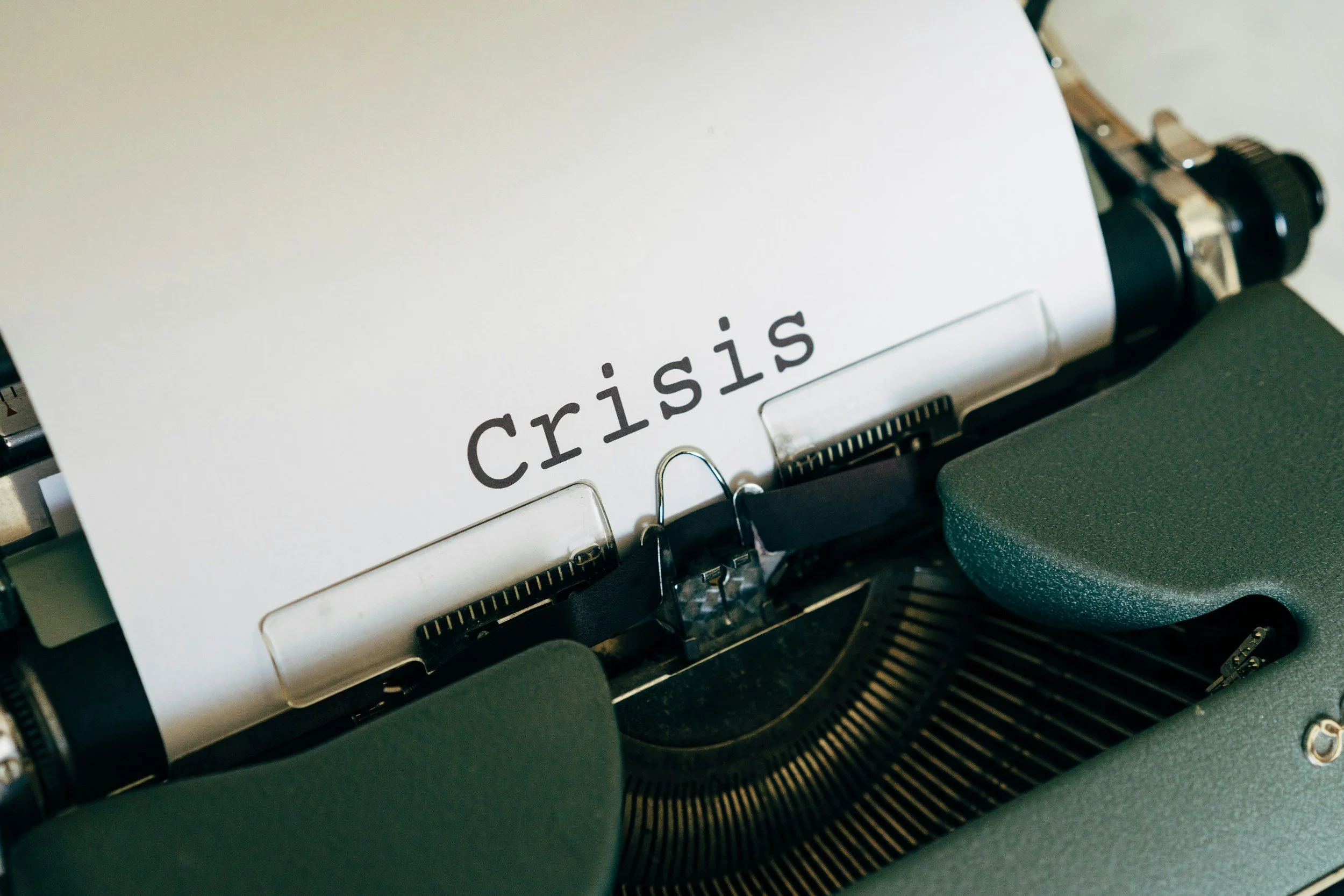
In the digital age, a crisis can escalate quickly, and the narrative can shift beyond your control.
From a communications perspective, it’s more than a press release issued at the moment it’s too late. As the PRCA shared,
“We must be prepared to say and do what our stakeholders and the general public expect from us. They want us to show that we are on top of things, that we are facing up to the problem, that we have a plan and that we care about the people who’ve been affected.”
In other words, you need to have a plan before it's required.
From Reactive to Proactive Crisis Preparedness
Scenario Planning
The first and most obvious step is to plan for a crisis scenario. What could potentially impact the business, and what are the consequences?
It might be some sort of social activism, highlighting a failure of policy or approach in your business practices. It might be regulatory shifts or sudden tariffs being imposed by one of your main markets. Today, threats can also come in the form of AI-generated misinformation. Or it may simply be a leadership misstep that has far-reaching consequences. However small your business or practice, crisis management and communication should be fundamental to it.
Your corporate crisis management policy is essential for managing these unexpected changes. So how can you be forewarned?

Monitoring and Early Warning Systems
One of the most useful early warning signs is, of course, social listening. At Sandford, we use tools to monitor social media sentiment around our clients’ brand names. This provides time to assess and activate response protocols. Media tracking, too, can give you real-time feedback on what’s being discussed and allow you to react quickly and effectively.
Finally, Stakeholder mapping is equally important. If an issue arises tomorrow, who holds influence, who is affected, who may amplify concern and who expects immediate communication?
Internal Alignment as a Risk Strategy
In architecture and design, reputational issues often arise not from wrongdoing but from disconnect. A planning objection, sustainability concern, or project delay can escalate when partners, consultants, and clients are not fully aligned on how to handle the situation. Without clarity around who speaks, who engages locally and how legal and commercial considerations intersect, responses can become fragmented.
For practices working across multiple projects and regions, the lack of coordination carries risk. Clear internal processes provide stability when external scrutiny increases. When leadership is aligned, communication feels deliberate and considered, and risk is managed. When it is not, mixed messages can quickly invite further attention.
Crisis Communication in the Age of Social Media
Social media has altered the rhythm of crisis communication. In the design sector, discussion of a project can gain momentum online before a formal position is articulated.

Commentary may emerge on professional networks such as LinkedIn, local community groups or industry platforms, sometimes shaped by incomplete context.
In this environment, the goal is not constant reaction but controlled visibility and understanding the role social media can play in crisis communications. Practices need clear monitoring, an understanding of when to intervene, and confidence in the tone of any public clarification. Acting too slowly can allow narratives to harden; acting too quickly can create unnecessary exposure. Effective crisis communication now requires balance, judgement and a steady hand.
Beyond the pace of digital commentary, practices must also navigate a wider landscape of political and social sensitivity that can shape how projects are perceived.
Political and Social Sensitivity
Architecture and design do not operate in a vacuum. Projects often intersect with housing policy, sustainability targets, heritage protection, public funding or community identity. What may begin as a design or commercial decision can quickly take on political or social dimensions.
For practices, crisis preparedness therefore includes understanding the broader context in which work is delivered. This does not mean responding to every public debate, but it does mean recognising when a project touches on issues that carry heightened sensitivity.
Clear positioning, consistent values and early engagement with affected stakeholders can reduce the risk of being drawn into polarised narratives. In an environment where built projects are visible and long-lasting, reputational considerations extend well beyond the initial announcement.
Technology and the New Risk Frontier
Technological disruption is adding a new layer of complexity to reputational risk. In the architecture and design industries, visual assets, planning documents and project data can circulate widely and, in some cases, be altered or misrepresented.
AI-generated imagery, deepfakes or speculative renderings can blur the line between approved design and unofficial concept. At the same time, cybersecurity vulnerabilities and data breaches pose operational and reputational challenges, particularly on high-profile or confidential projects.
Crisis preparedness now requires awareness of how digital tools can amplify misinformation or expose sensitive material. Practices do not need to control every technological variable, but they do need clear protocols for monitoring digital use, protecting intellectual property and responding swiftly if inaccuracies gain traction.
Building Corporate Resilience and Reputation Management
Crisis preparedness is not a standalone document or a holding statement saved on a server. In design-led practices, resilience is built into governance, culture, and processes. It includes clear decision-making structures, defined spokesperson roles and regular scenario planning that reflects the realities of complex, multi-stakeholder projects. Leadership teams should understand not only legal exposure, but reputational impact across clients, communities and industry peers.
PwC’s Global Crisis and Resilience Survey found that over one-third of organisations do not have a crisis response plan in place, highlighting how many leadership teams remain underprepared when disruption hits.
“Only 35% of business leaders say they are very confident in their organisation’s ability to respond to a crisis.” Source: (PwC)

Resilient practices invest in preparation rather than reaction. They rehearse difficult conversations, clarify approval processes and ensure that communications, legal and commercial considerations are aligned before an issue arises. In a sector where reputation underpins long-term commissions and partnerships, preparedness becomes part of business continuity. The firms that navigate scrutiny most effectively are rarely those that avoid difficulty altogether, but those that respond with clarity, consistency and confidence.
Conclusion: Preparedness as Competitive Advantage
The design sector now faces a more expansive crisis landscape than in the past. Social dialogue evolves rapidly, projects are often intertwined with political and environmental concerns, and emerging technologies introduce new factors that can shape public perception. Despite the increased visibility, this does not necessarily translate into greater inherent vulnerability.
Organisations that approach crisis preparedness as a strategic discipline rather than a reactive measure place themselves in a stronger position. By mapping stakeholders, aligning internally and understanding the environments in which projects are delivered, practices can protect both individual commissions and long-term reputation. In an industry built on trust, credibility and public presence, resilience is not simply about weathering disruption. It is about reinforcing confidence when it matters most.
