
Reflections on Milan Design Week 2026

Image courtesy of ACDF
Milan Design Week Through the Lens of Architecture and Design
Another year around the Italian sun, and we were back in the self-proclaimed design capital of the world - Milan.
This annual city-wide phenomenon (20–26 April 2026) is anchored by Salone del Mobile, the broader Fuorisalone in the city itself and other satellite events that pop up across the city. Ultimately, it’s where we see a global convergence point for architecture, interiors, product design, and cultural discourse.
Within the city, palazzi, courtyards, and industrial sites were activated as temporary design stages across multiple districts, each offering a unique perspective. From Brera Design District, Isola Design District and Tortona Design Week to 5VIE and Porta Venezia, you’re never short of options, and invariably, you can never see it all.
However, every year, Milan Design Week promises much, with press releases and invites to “THE installation” dropping into our inboxes at warp speed in the lead-up, yet it often fails to deliver on expectations for some of the big-ticket items.
As always, frustrations and mutterings about queues and QRs filtered across the piazzas, but there were moments of joy in what proved to be an inspiring week.
The 2026 Theme: “Be the Project” vs 2025’s “Connected Worlds”
This year’s theme, “Be the Project”, was chosen for Fuorisalone 2026. It promised, “an invitation to rediscover design as a dynamic and responsible process, where the human being returns to the centre as an interpreter of change.” (Fuorisalone). In contrast to last year’s Mondi Connessi, it invited participants to express design as an evolving process rather than a finished object.
It is not the finished form that defines the value of design, but the process that generates it: listening, error, transformation.
Source: Fuorisalone 2026
Beyond the main theme itself, macro-themes shaping Milan Design Week 2026 included circularity, inclusiveness, and emerging talent, as well as the return to materiality and human experience.
Where 2025 demonstrated systems, networks, and digital-physical convergence, the 2026 edition dialled in on introspection, authorship, and process-led design.
So how did this look in reality?
Milan Design Week Review: Key Installations and Brand Moments
This year, it felt like we were constantly scouring the map and navigating the streets and the metro to reach each destination spread across the city. Of course, there is always a significant concentration in Brera Design District, and as always, we didn’t get to everything - hello, the inevitable FOMO. However, we ticked off some of our must-sees and caught some unexpected moments too.
National cultural platforms at the Fuorisalone
We were delighted this year to be supporting the team on the ground with the installation ‘When Apricots Blossom’. Created for the Uzbekistan Art and Culture Development Foundation (ACDF), commissioned by Gayane Umerova (ACDF Chairperson) and curated by Kulapat Yantrasast, the installation brought together 12 contemporary designers who collaborated with Uzbekistani artisans to create the most talked-about event of the Fuorisalone.

The Garden Pavillion designed by Kulapat Yantrasast. Image from ACDF.
When Apricots Blossom offered a quietly powerful response to the "Be the Project" theme, framing the cultural heritage of the Aral Sea region as a living design process shaped by slow craft, memory and environmental change. Indeed, it not only won the Media Partners Special Mention Award, but also attracted over 25,000 visitors across the week.
The Uzbek interpretation stole the show by providing a narrative grounded in more than just a vacuous celebration of “designers from”; it showed us what it means to deep-dive into the people and makers in a country, the environmental, social and cultural challenges countries can face, and how we need to all collectively rise to the challenge to help solve this.
Other nations, too, came to the party - from Poland and Singapore to Austria and the Dutch. Each offered their own national approach to design through the lens of cultural narrative - some more successfully than others.
Read our latest Substack this month for a deeper dive into this topic.
Alcova returned to the Military Hospital
Having been relocated to Villa Borsani and Villa Bagatti Valsecchi for the last couple of years, the breakout district, Alcova, came back closer to the city again, namely to the Villa Baggio Military Hospital and Villa Pestarini. Electric taxis shuttled design tourists between the two venues, and building after building was taken over by up-and-coming designers, trying to find a platform for their work.
QR codes duly scanned (again), we were impressed with the scale of the venue, taking over everything from the former laundrette to the administrative houses full to the brim with hopeful designers and their offerings.
We saw some really special pieces, but whilst commercially it’s great to cram in as many designers as possible, visitors were often looking like they had lost the will to continue a few floors in, and popping your head around another door meant you were giving them a cursory look to just get through the installations in one piece. We get it - these venues need to make it financially viable. But do you risk devaluing your offering if people have had enough before they have even left?
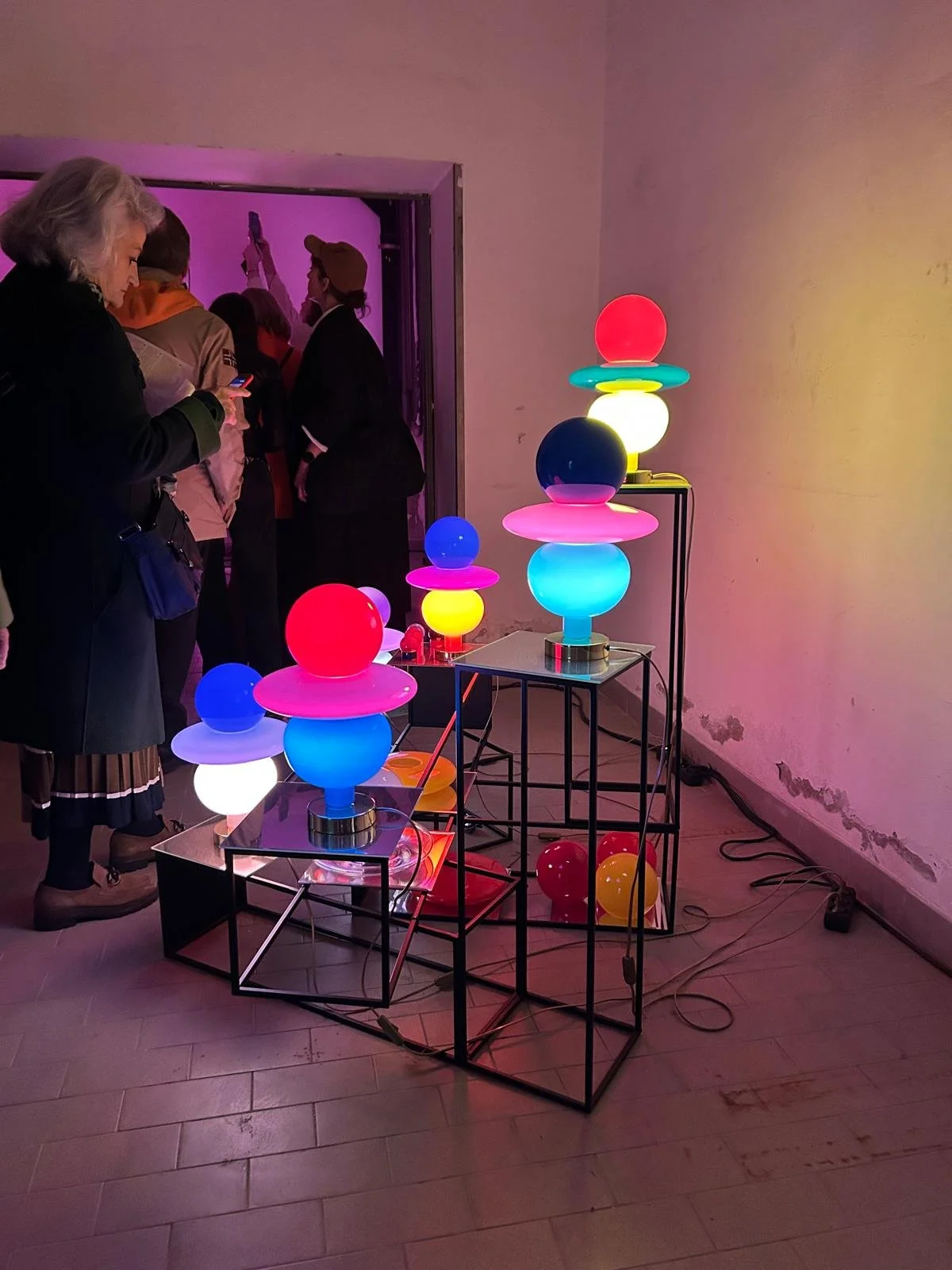
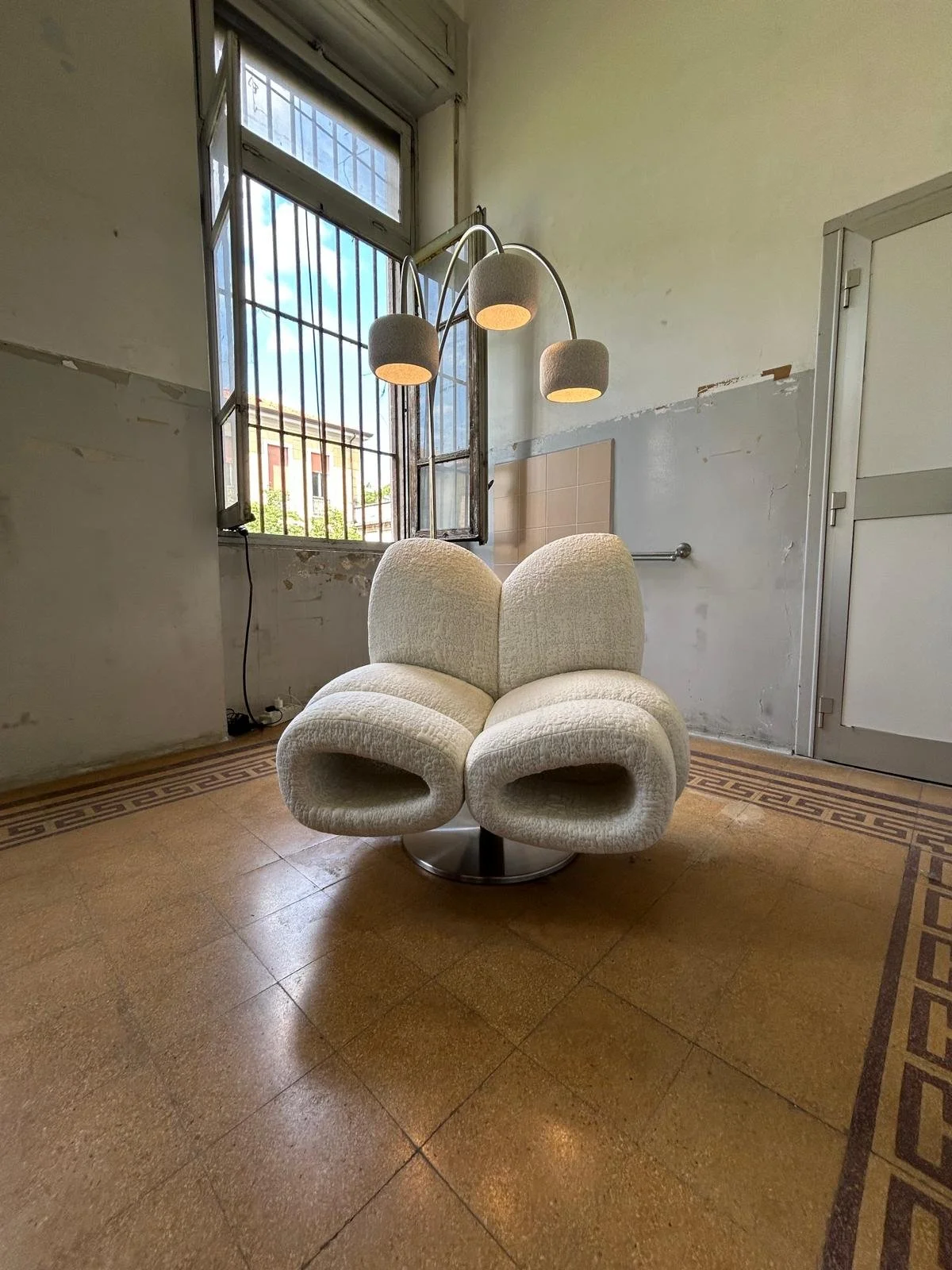
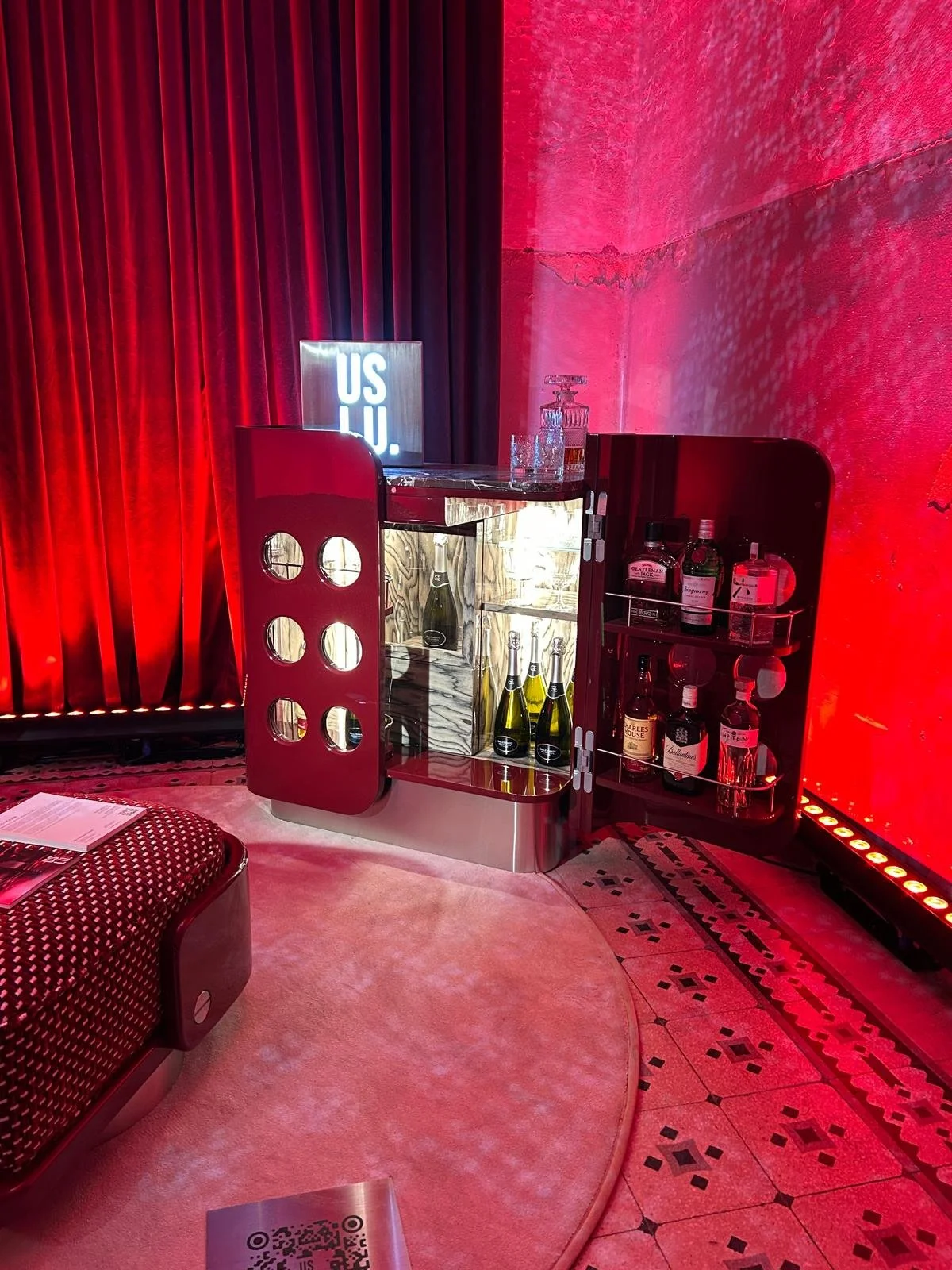
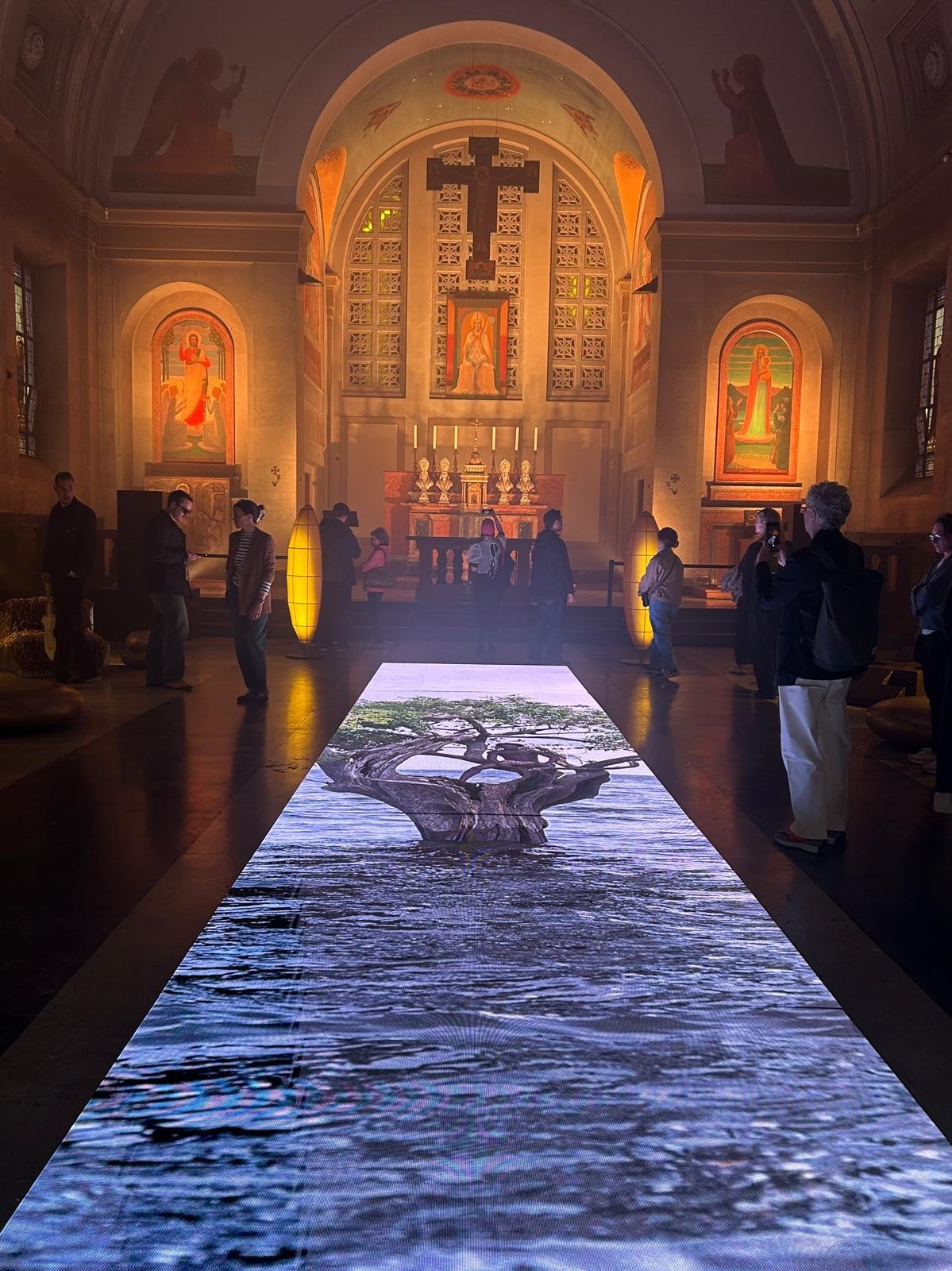
Images L to R: Michal Korchoweic, Atelier Elitta, Uslu Design Studio and Leo Lague and Versa
Some standout moments included Michal Korchoweic’s colourful lights, Atelier Elitta and their beautiful furniture and Uslu Design Studio and their Disco room. Bigger names such as Sister by Studio Ashby, who had created their ‘Speak Back’ installation in one corner of the site and the Chiesa, which had been transformed by Leo Lague and Versa into an ethereal, sensory display. Dipping their toe into Milan Design Week for the first time, it was interesting that Studio Ashby selected Alcova as their debut location. Rather than be swayed by the hype of central Milan, they chose a location more focused on up-and-coming makers, craftspeople and designers.
Newer and experimental designers aside, there is always room for everyone at Fuorisalone, and we always get the convergence of big brands taking over the piazzas and palazzos, too.
Cross-Disciplinary Collaborations
Once again, we saw a steady drumbeat of cross-disciplinary participants in this year’s event, with everyone from McDonald's to Audi getting involved.
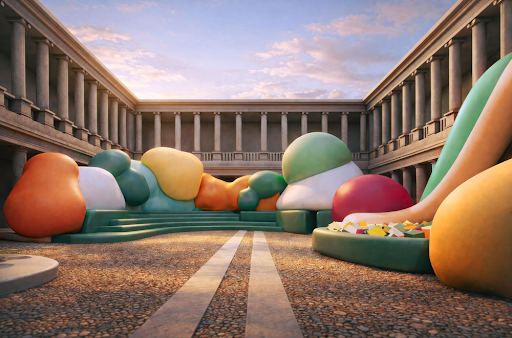
Ooooh, that’s EpiQ! for Skoda
Created in collaboration with Ulises Studio and inspired by the campaign and modelling dough, Škoda Auto presented a playful interpretation of its new electric Epiq at Palazzo Senato. It featured sculptural forms, playful experiences, an interactive digital dome and relaxation zones. Indeed, it won this year’s Fuorisalone Award for its work.
The other headline grabber was Kelly Wearstler and the launch of her new range with H&M. From a glitzy launch party to queues around the block, it certainly captured the attention of many design tourists. What the OG Milan fashion houses thought of this newcomer remains to be seen, but it definitely caused a stir.
Gucci, by contrast, had very mixed reviews, with this year’s installation failing to hit the mark with many we spoke to. However, Louis Vuitton’s Objet Nomades continued to delight its audience with another standout year.
Aesop was another cross-disciplinary experience that surprised us. The Factory of Light, set in Chiesa del Carmine, created a sensory experience that moved us unexpectedly. Showcasing their new Aposē lamp, the church was filled with an installation of their pre-used glass bottles, exploring the nature of light in all its forms, and the hands that harness it.
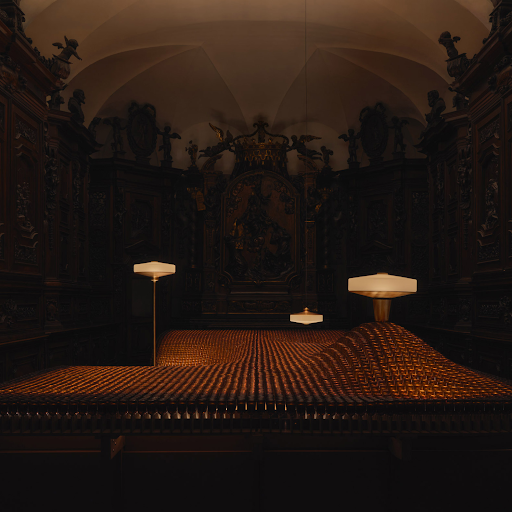
Aesop’s Factory of Light
We swerved the sea of plastic balls offered by McDonald's in Tortona (read the room, guys…) and the endless queues of some of these key installations, and opted to try and find some more considered installations elsewhere, as advised by many we met.
The rise of hybrid storytelling, crossing disciplinary boundaries and blurring narratives, is something we have come to expect from Milan Design Week. But they often get the attention of many through big budgets and media coverage, rather than through genuine, engaging conversations about design. For all the hype, how valuable is it if your potential clients walk away with a sense of underwhelm?
Other Must-See Installations Across the City
Read any round-up, look at your feed or scan any broadsheet covering Milan, and each will have its own highlights. However, here are a few that seem to have caught many people's attention.
Marimekko chose to locate in an Osteria on the outskirts of the city, which was a fun distraction, watching people play boules (branded, of course) with the brand team (branded, of course), whilst diners looked on.
L’Apartemento by Artemest again drew interest with its fourth edition. Housed in Palazzo Donizetti, this year’s exhibition shared a new curatorial chapter dedicated to Italian Grandeur. Featuring five select interior designers, each interpreted their room in a unique way, to inspire visitors.
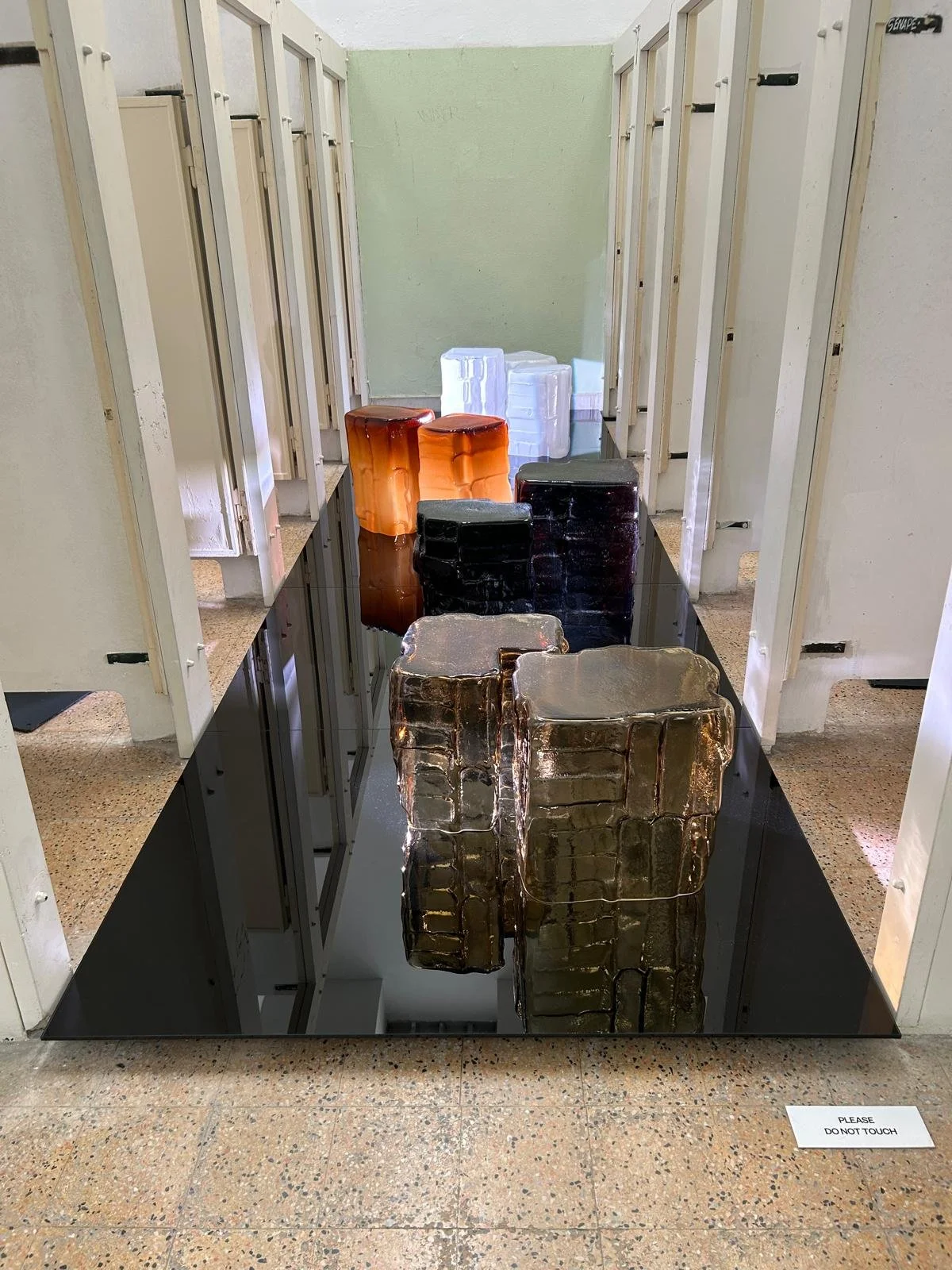
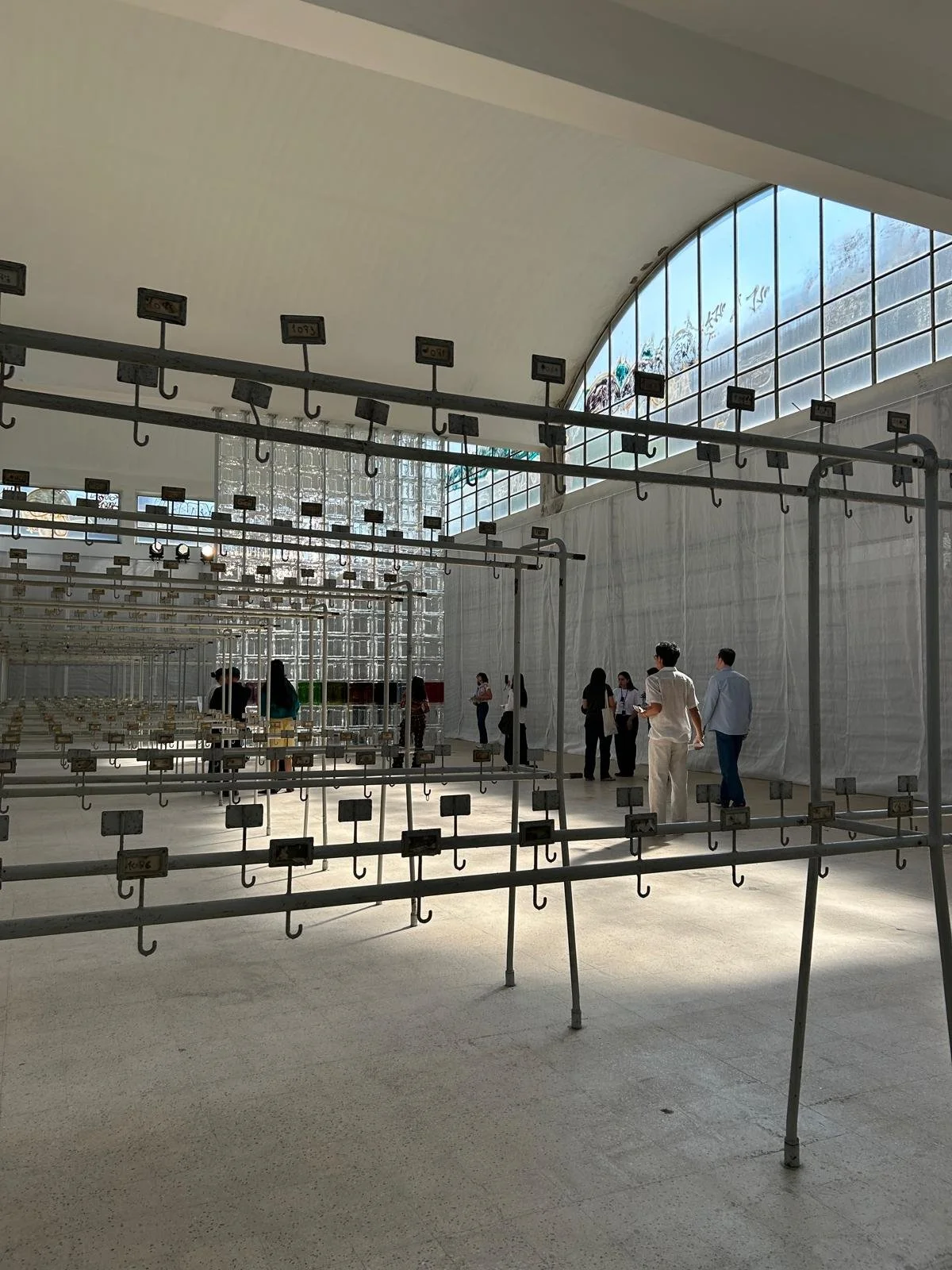
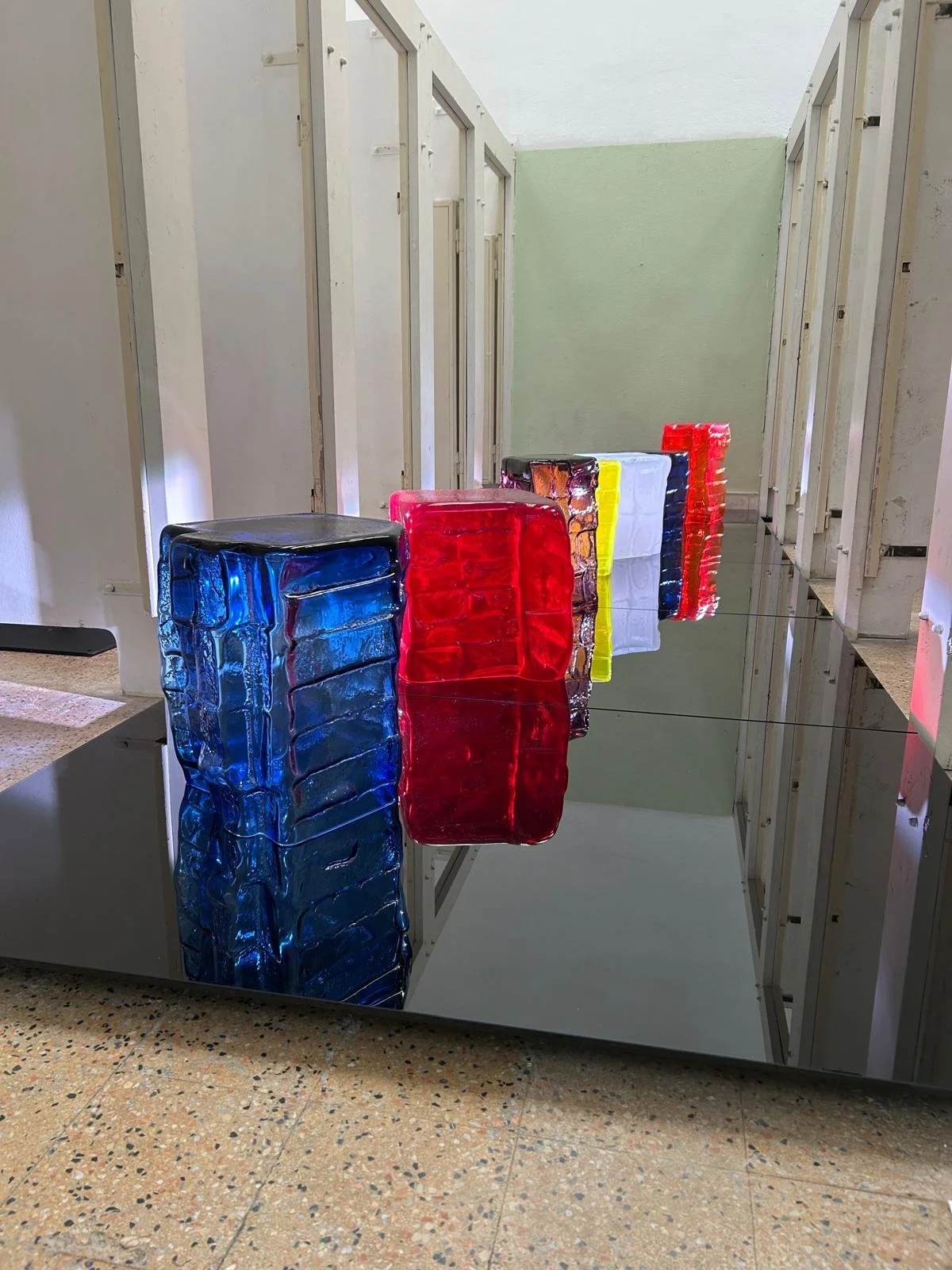
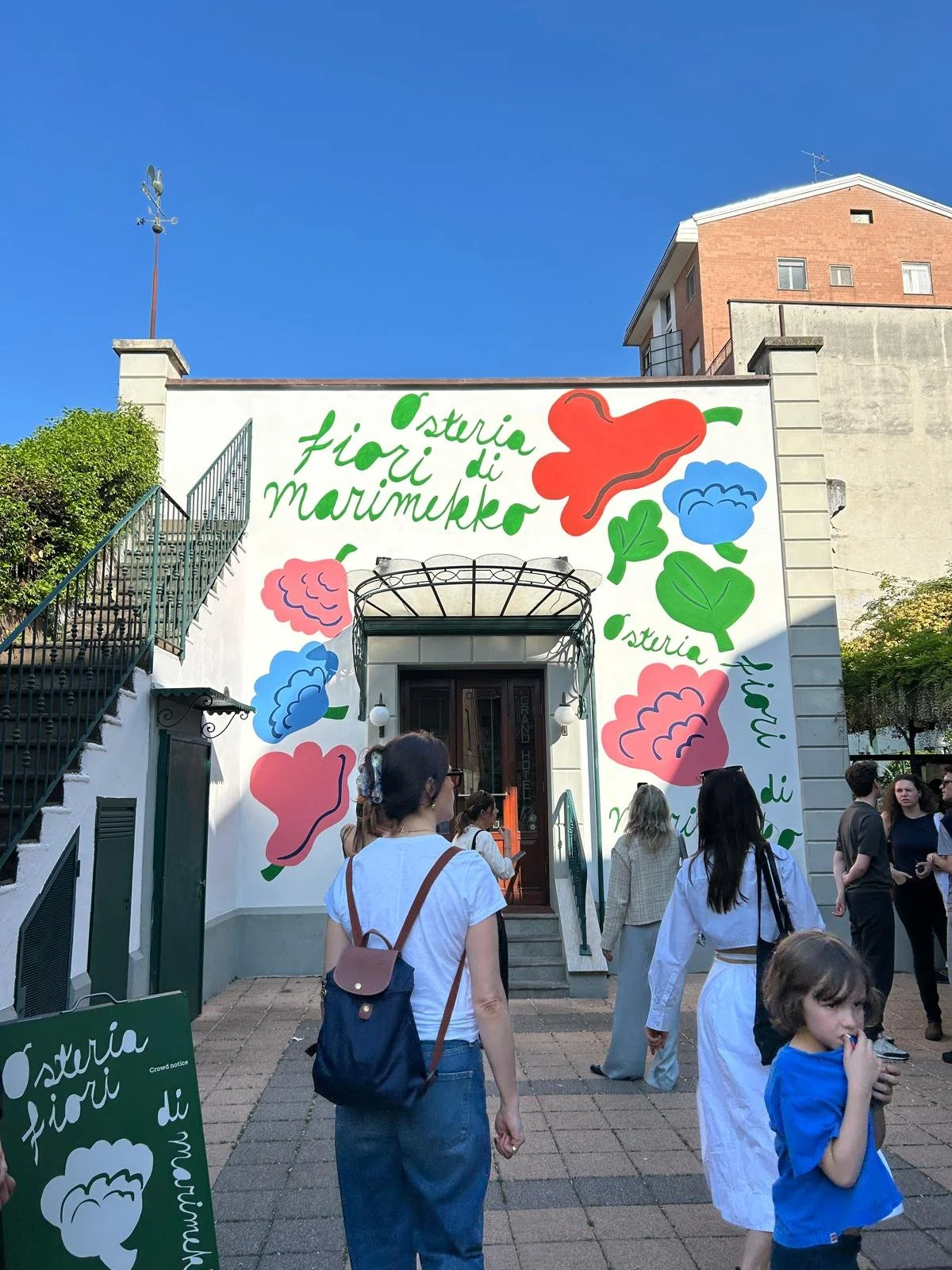
Images L to R: 6:AM Glass (1 to 3) and Marimekko (4)
6:AM Glass chose to take over a municipal swimming pool, which, trust us, is never your “local leisure centre”. Opened in 1929, designed by Luigi Lorenzo Secchi, and set within a complex that complements the architecture of Gio Ponti and Vittoriano Viganò, cubicle after cubicle focused on the art of ‘repetition’ in glassmaking, and how, despite the same process being repeated, no one piece of glass is the same.
Across at the Triennale, The Eames Office and Kettal delivered one of the week's more considered moments with The Eames Houses, the first comprehensive overview of Charles and Ray's residential work. Featuring life-sized pavilion constructions, scale models, and rare archival material, it was a timely reminder that the most enduring design thinking tends to begin at home.
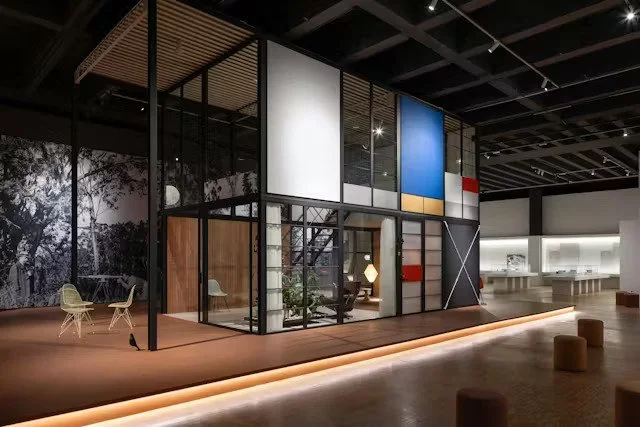
The Eames Houses, Triennale
IKEA created Food for Thought, which filled Spazio Maiocchi with an exhibition that “united home design and food culture, built around a simple idea: the most important moments in everyday life usually take place around a table or in a kitchen.”
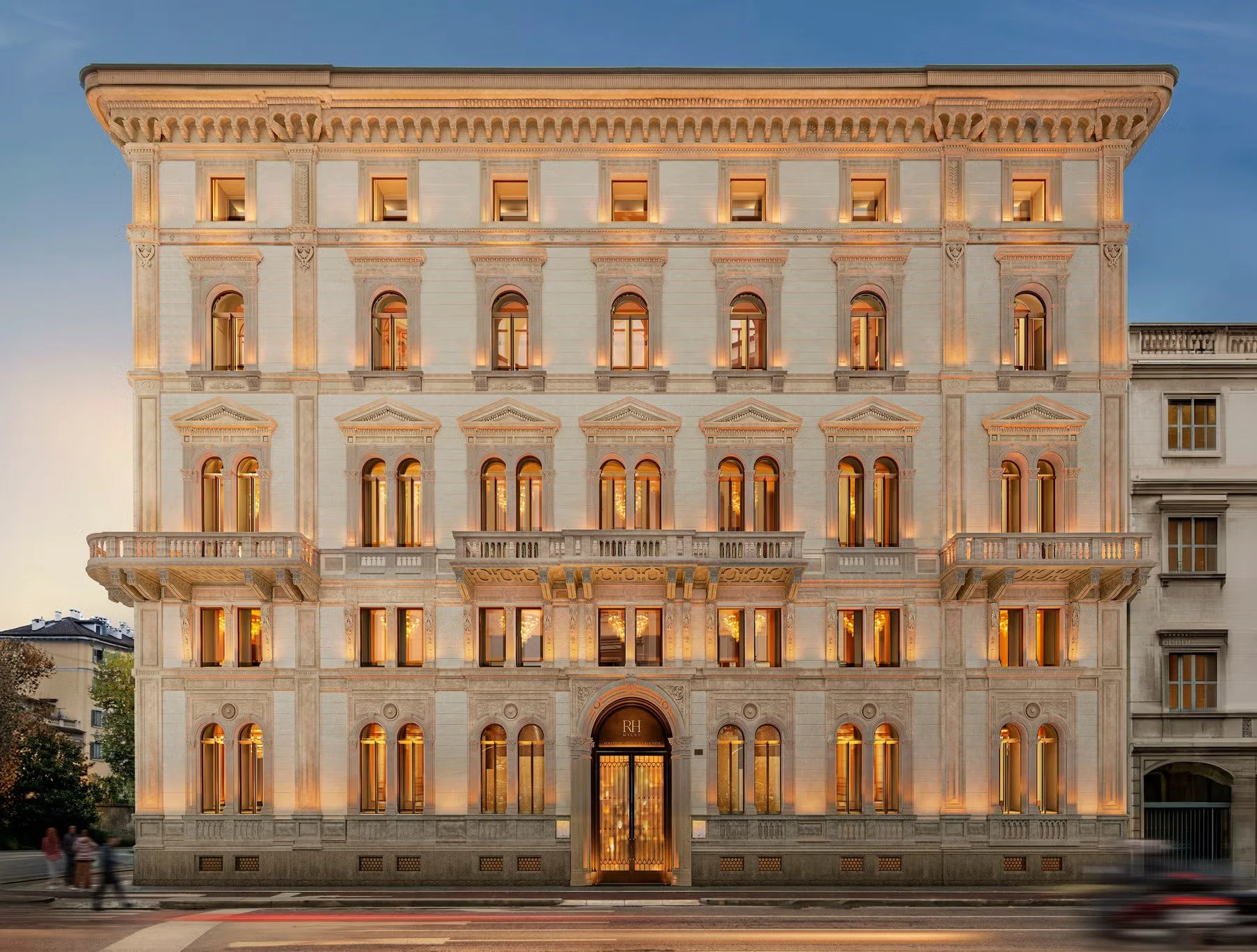
Image credit: Stefano Gusmeroli
And as a final treat, we were invited to explore the newly opened RH Milan. Set across 7 floors in the Corsa Venezia, this 19th-century palazzo has been completely transformed into a flagship destination for interiors and lifestyle brand Restoration Hardware.
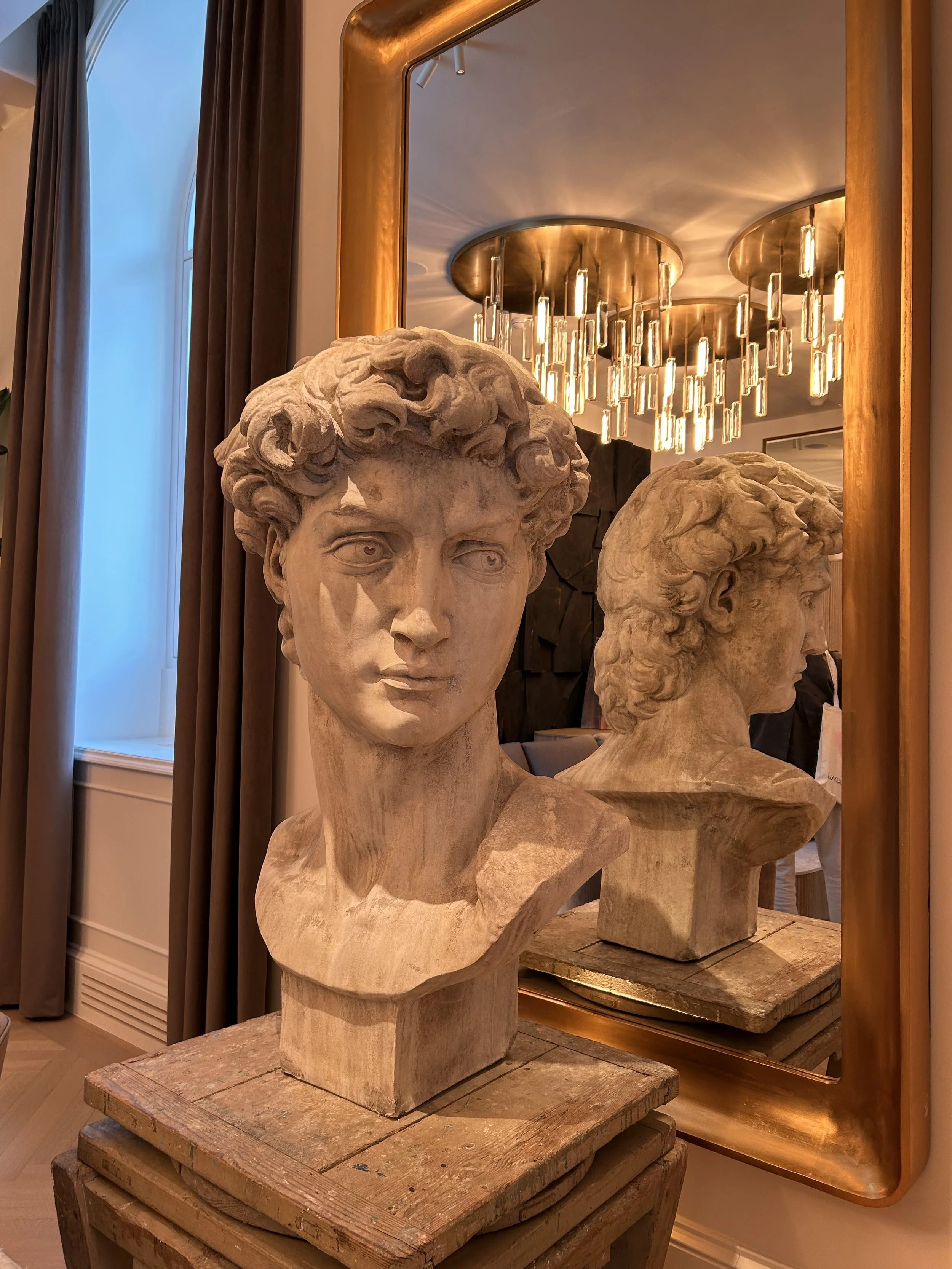
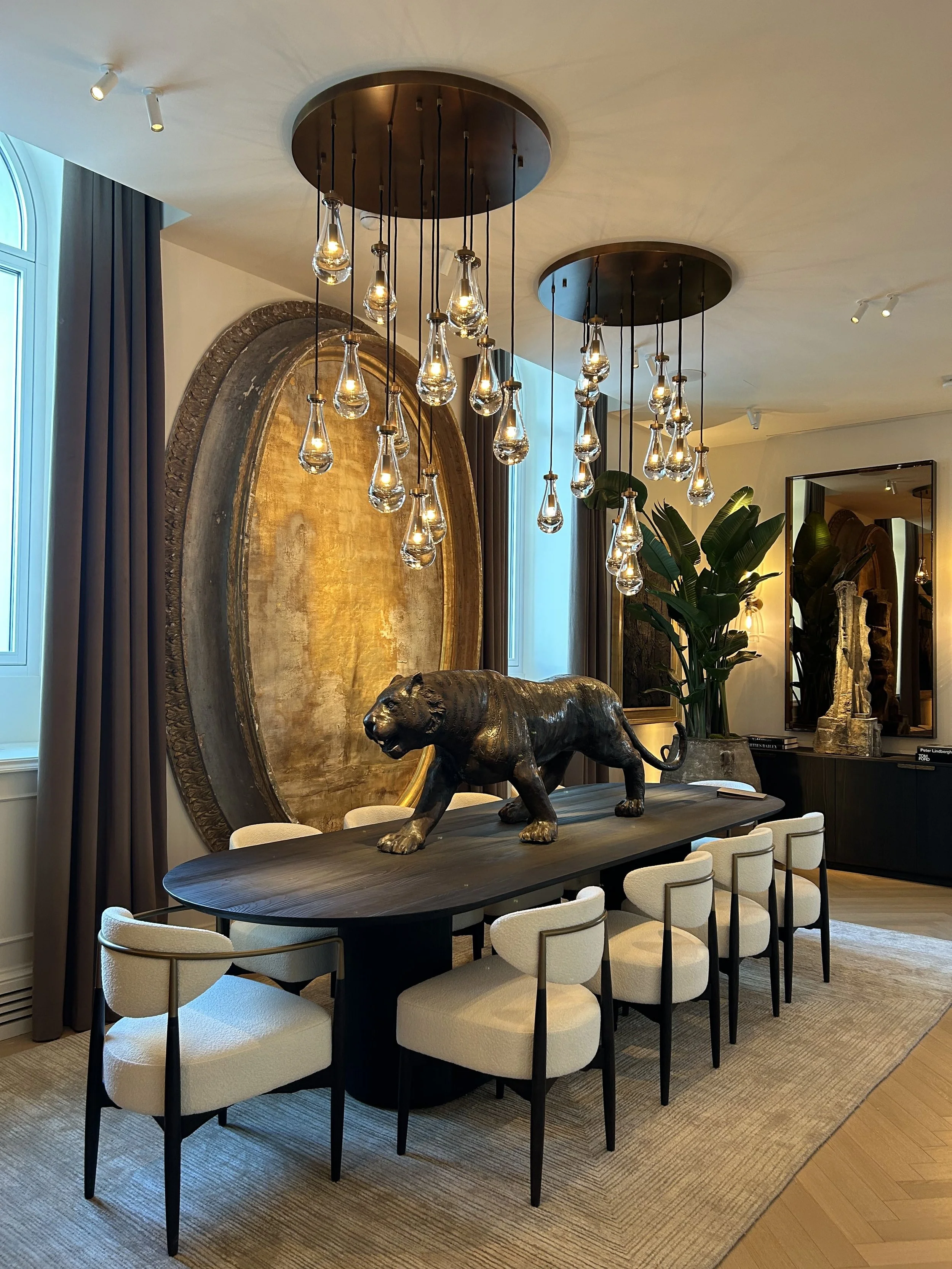
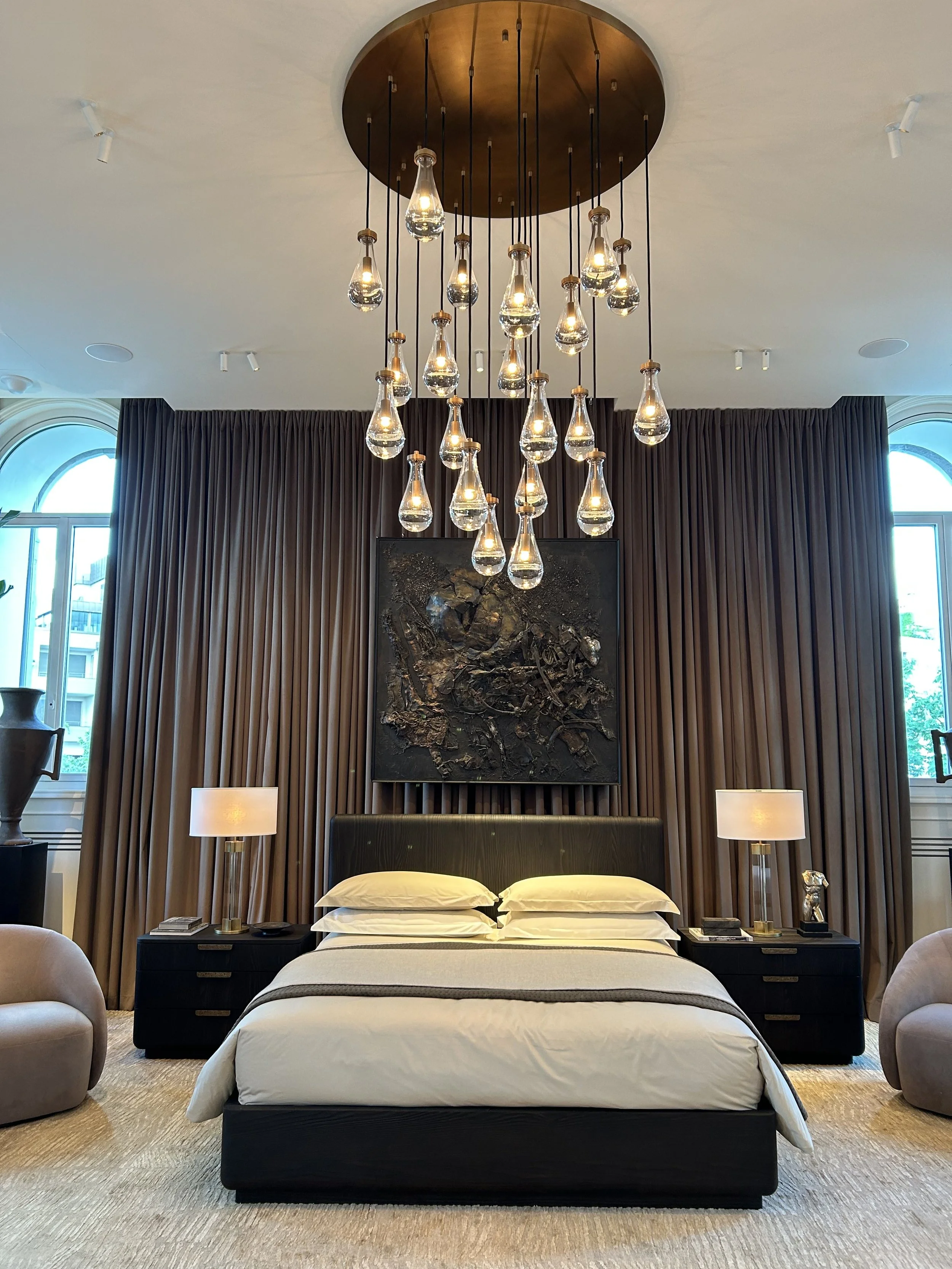
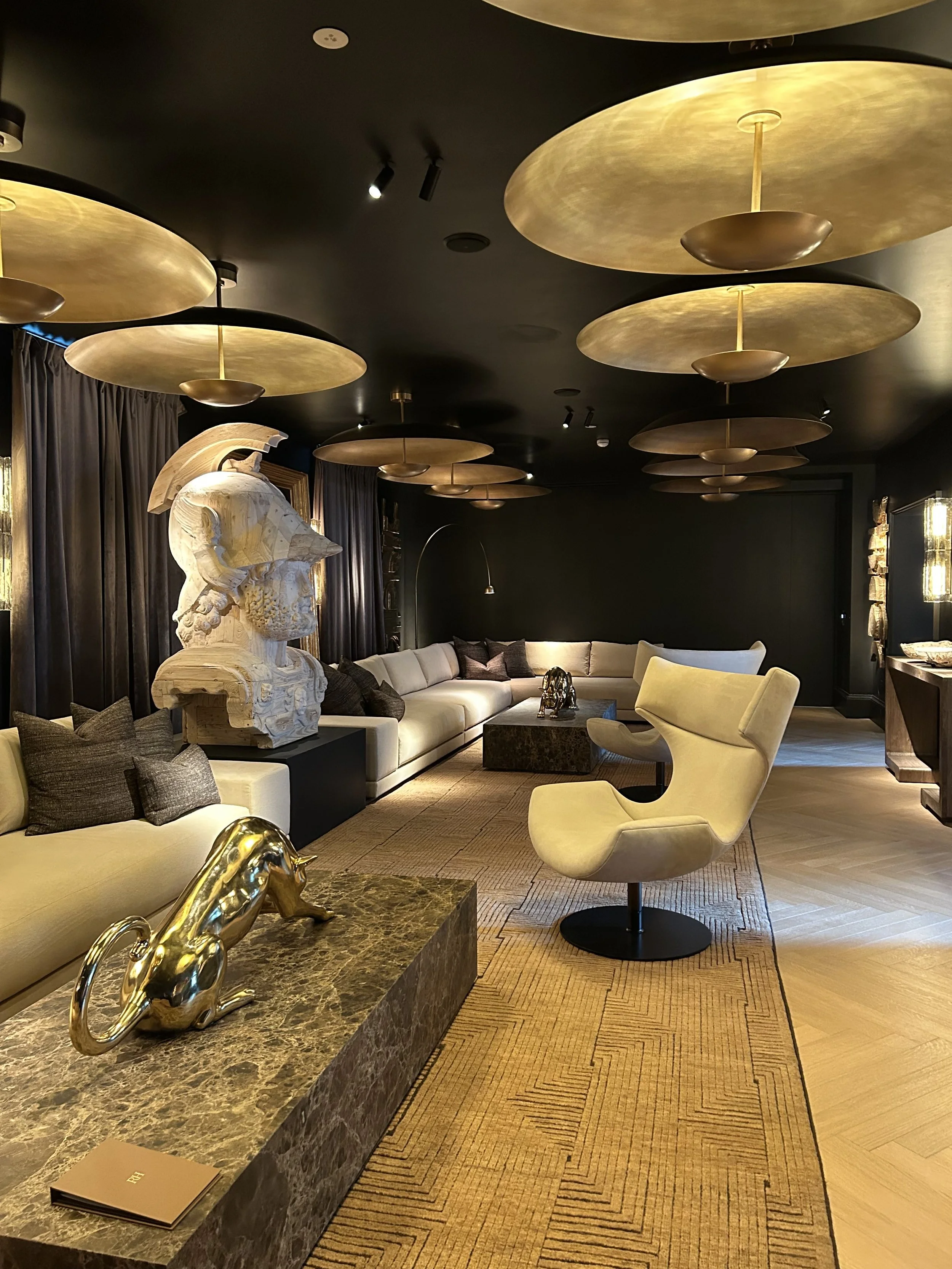
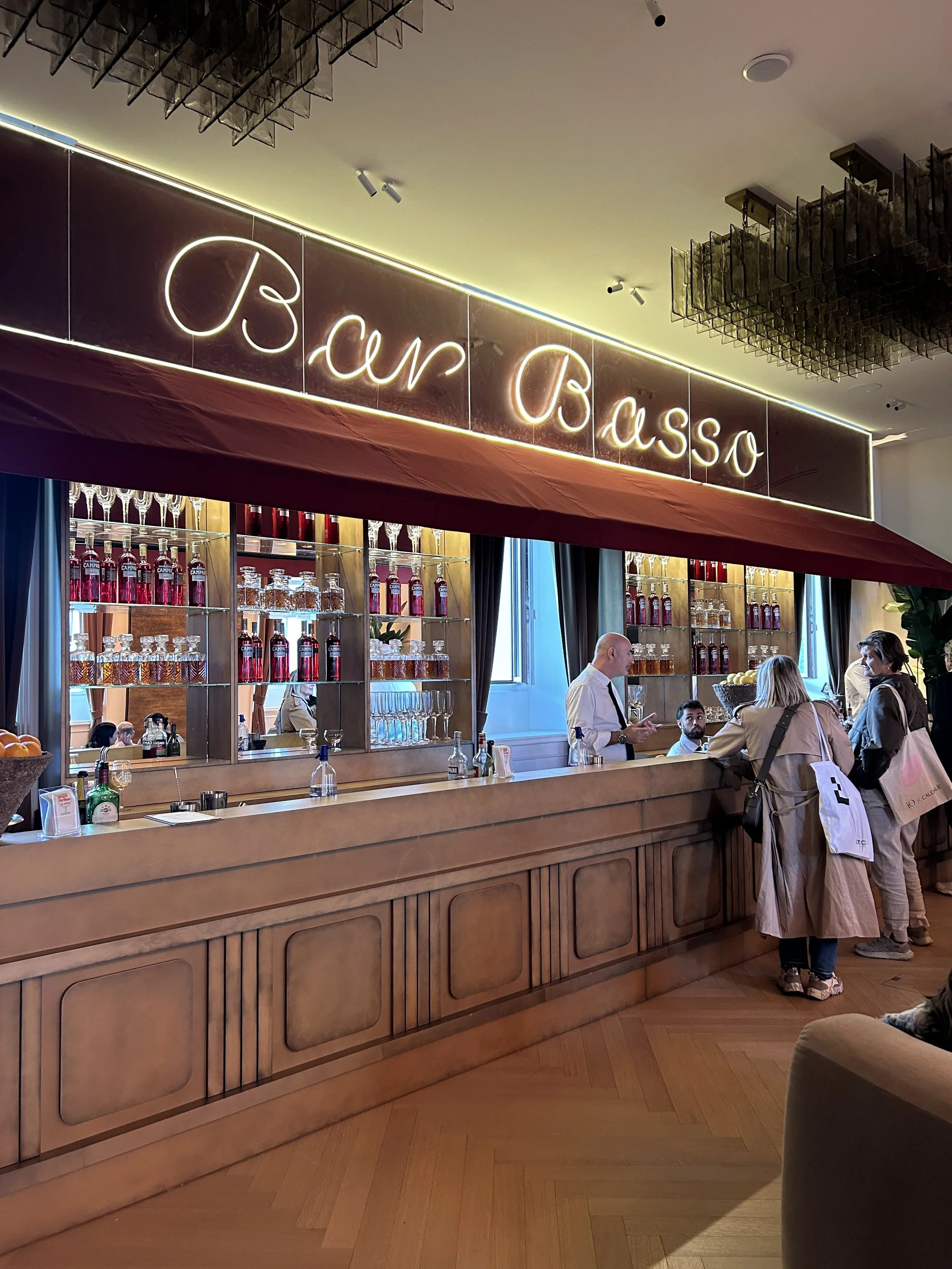
The project was commissioned by RH Chairman and CEO, Gary Friedman, whom we spotted holding meetings in the opulent new dining space on our visit! His ambition is to create not just retail spaces but immersive design experiences, and this new venture is no exception. From richly layered bedrooms to a pop-up Bar Basso, this is, unapologetically, a luxury design destination not to miss.
Thought Leadership: Key Themes Shaping Design in 2026
Milan Design Week is never merely a trade show. It is a cultural barometer, and 2026 read clearly: the era of the standalone object is giving way to something more layered, more considered, and more human.
The most memorable moments this year were rarely about a single product on a plinth. They were about movement through space, the choreography of a room, the way light and sound conspired to make you pause. Architecture and design are increasingly operating as one discipline, with space itself becoming the medium.
Texture was back, too. Craft was back. You could feel it in the deliberate imperfection of handmade glass at 6:AM, in the woven threads of Uzbekistani artisanship. There is a quiet but growing reaction against the hyper-digital, and designers are relearning the language of material.
The hybridisation of disciplines, meanwhile, is no longer a novelty. Škoda, Kelly Wearstler, IKEA: brands from every sector are trying to speak design as a cross-industry language. The challenge is knowing when collaboration adds genuine meaning, and when it simply adds noise.
Above all, 2026 felt like the year of the designer as author. The strongest work had something to say. It framed a problem, asked a question, and invited you into a conversation. That is a significant evolution from the spectacle that has long dominated the week's headlines.
Conclusion: What Milan Design Week 2026 Means for the Future of Design
If there is a single thread running through 2026, it is a pivot towards process, authorship, and the human being at the centre. The work that resonated showed its thinking, wore its intentions openly, and invited you to consider not just the outcome but the journey that produced it.
For brands and architects, the lesson is consistent: the era of the singular iconic object is fading. What takes its place is a system of experience, spatial, sensory, narrative, and temporal. The most compelling propositions at Milan were not individual products; they were complete worlds that happened to contain products within them.
Milan Design Week is no longer simply a showcase. It is a testing ground for ideas still finding their form, and a conversation about how we want to live and what we want the designed world to feel like.
To "be the project" is to position design not as an outcome, but as an ongoing act, one that shapes both space and society. That is not a comfortable brief. But it is, perhaps, the most important one we have.
Take a look at some of our previous case studies to see how we support brands through their brand development.
