
3daysofdesign: Legacy, a sense of place and a future in balance
Katherine’s perspective on 3daysofdesign
This June, I finally made my first visit to 3daysofdesign, Copenhagen's Design Week and Denmark's official Design Festival. Few events have generated as much industry conversation in recent years. Under the stewardship of Signe Byrdal Terenziani, the festival has grown from a small warehouse showcase of four Danish brands in 2013 into an internationally recognised celebration of design that now takes over the city each June. With many questioning whether Milan remains the industry's undisputed focal point, I was keen to see what makes Copenhagen's increasingly influential festival so compelling.
What is 3daysofdesign?
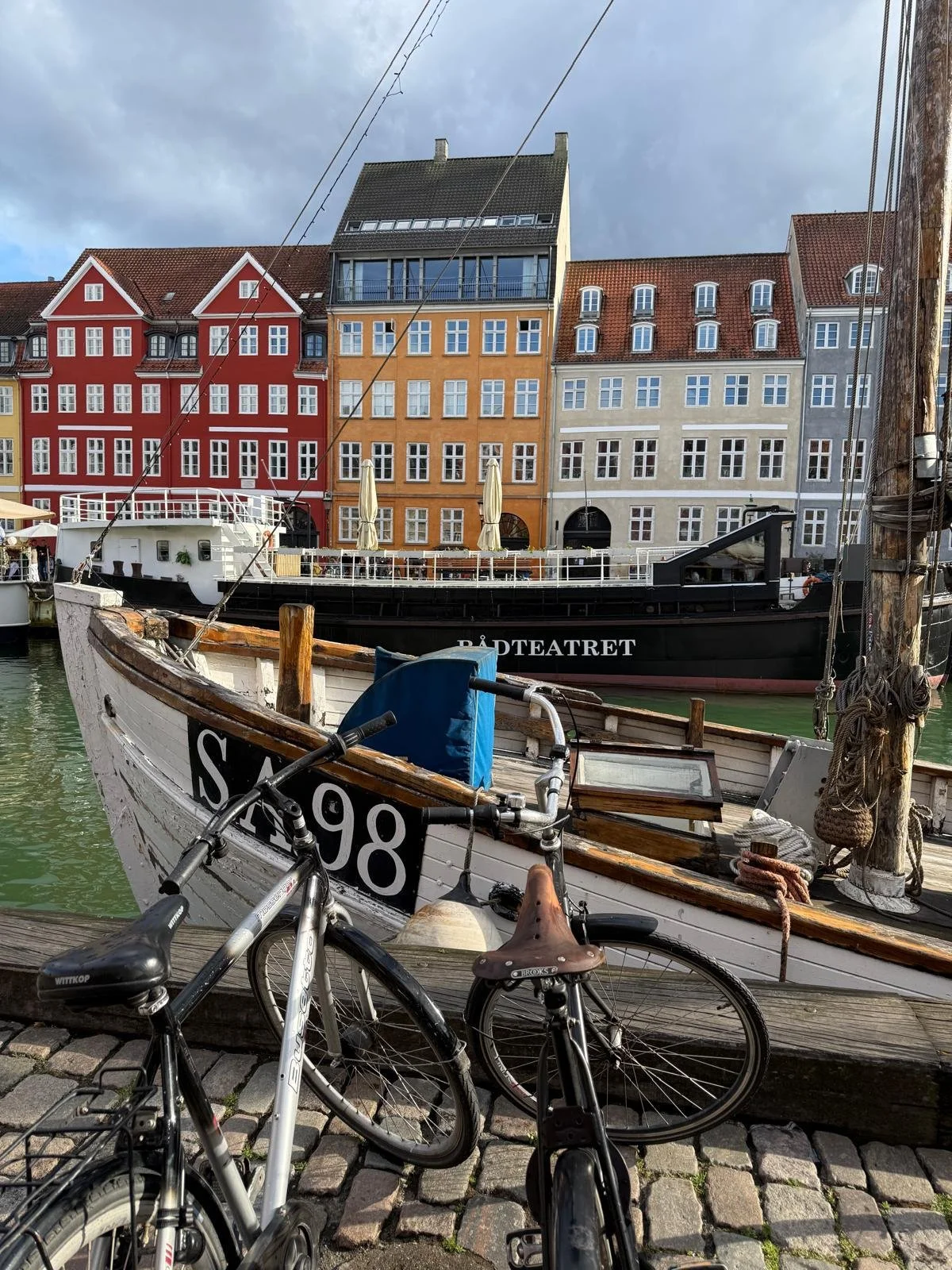
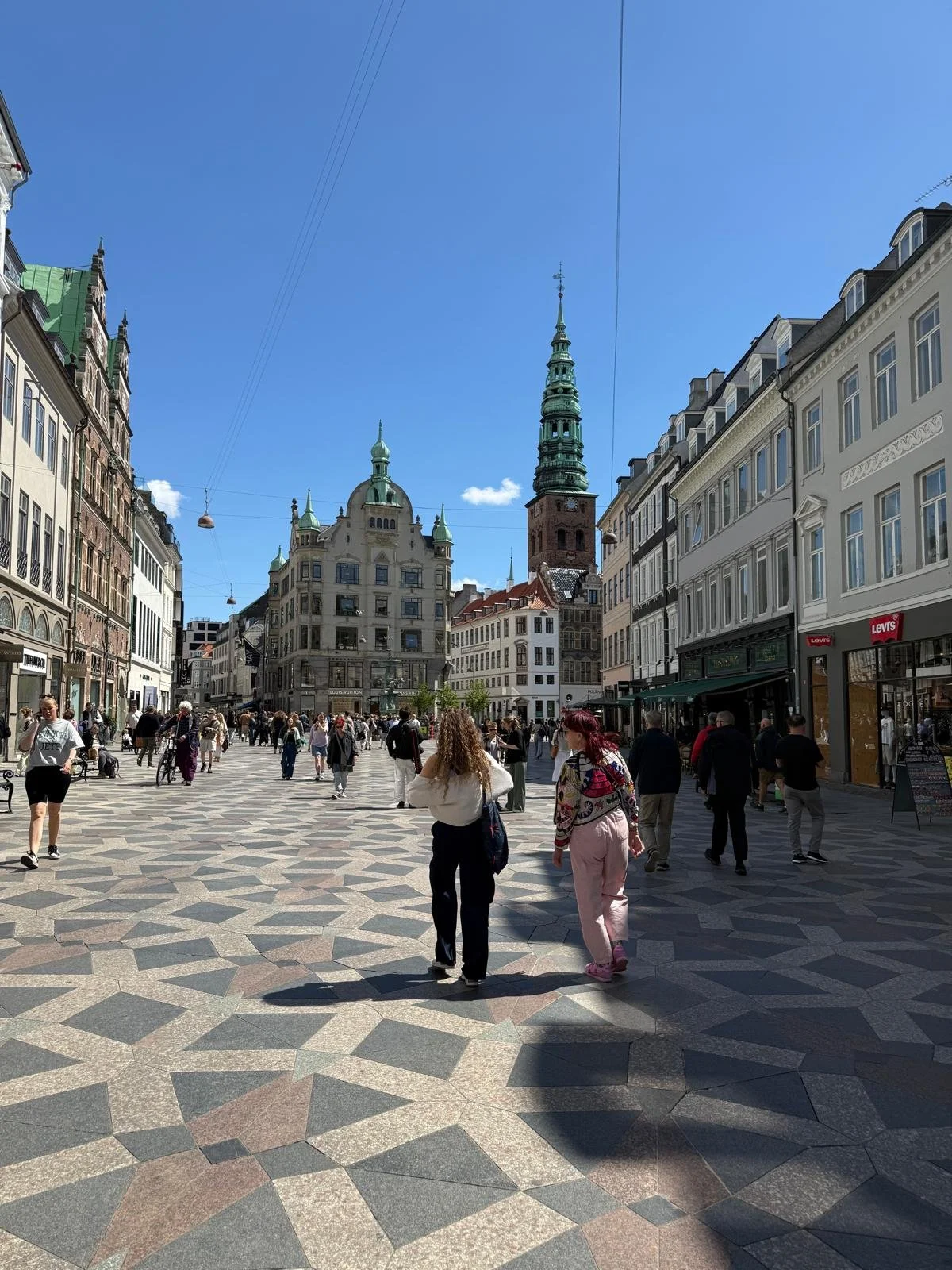
Originally established by four iconic Danish brands - Montana, Anker & Co, Kvadrat and Fredericia Furniture - 3daysofdesign was conceived as a collaborative platform to celebrate Danish design and craftsmanship. Today, it spans the city, bringing together established names and emerging talent across furniture, lighting and interiors, with exhibitions taking place in Copenhagen's distinctive showrooms, galleries and architectural landmarks.
While its roots remain firmly Danish, the festival's influence has expanded significantly since the early 2020s. It now attracts more than 100,000 visitors, including international journalists, architects, designers, brands and creative practitioners, cementing its position as one of the most influential events in the global design calendar.
The 8 Districts of the Festival
3daysofdesign is spread across eight distinct districts: Holmen, Nordhavn, Islands Brygge, Kultur, Rosengård, Kongens Nytorv, Christianshavn and Frederiksstaden. I found that each offered a slightly different perspective on Copenhagen's design culture. Holmen and Nordhavn draw on the city's maritime heritage, while Frederiksstaden leans into its Rococo architecture, providing a fitting backdrop for heritage crafts and some of Denmark's most established design houses. Kongens Nytorv strikes a compelling balance between heritage and contemporary culture, centred around Designmuseum Danmark, while Christianshavn unfolds around the canals and waterways that define much of the city's character.
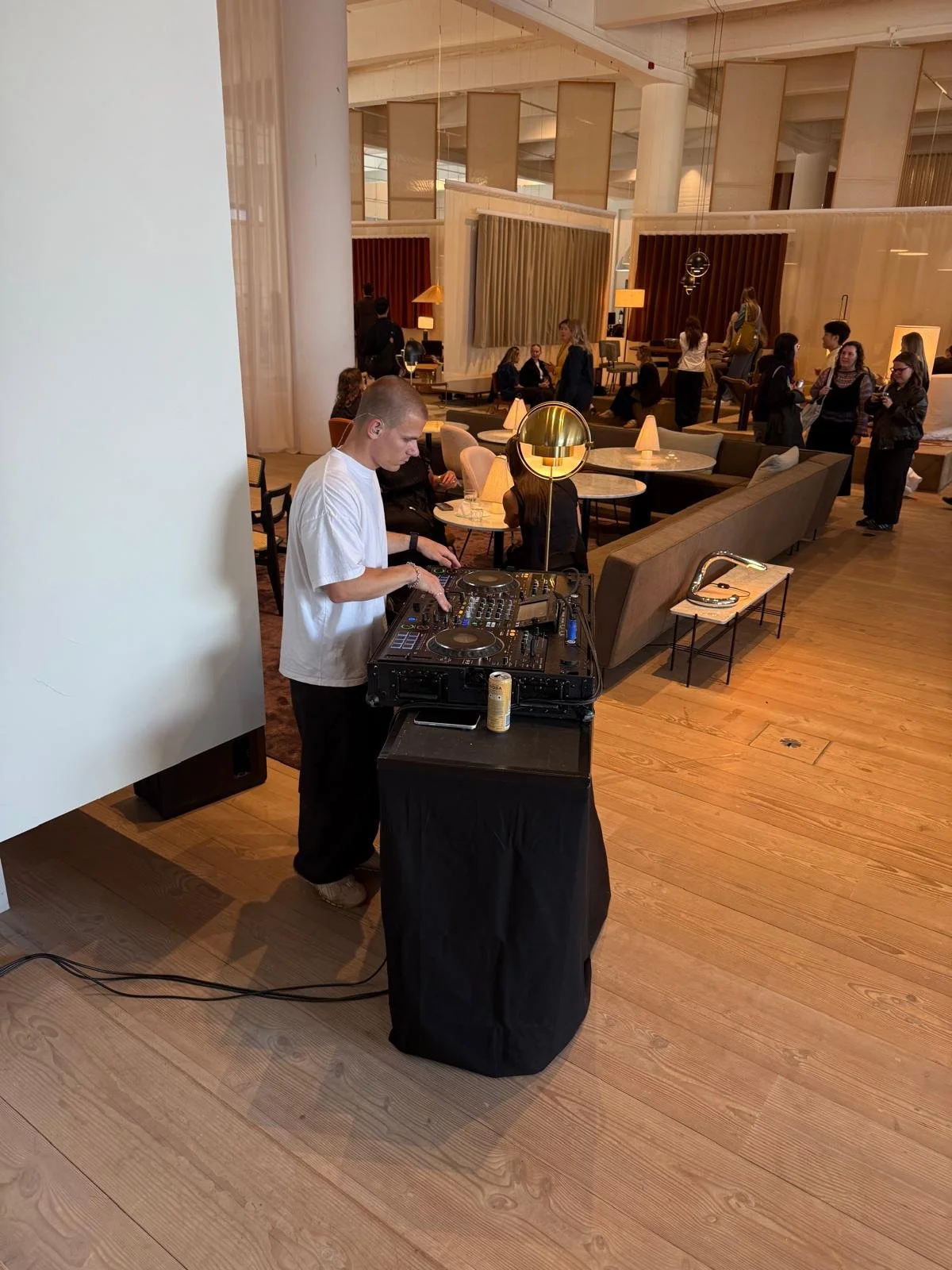
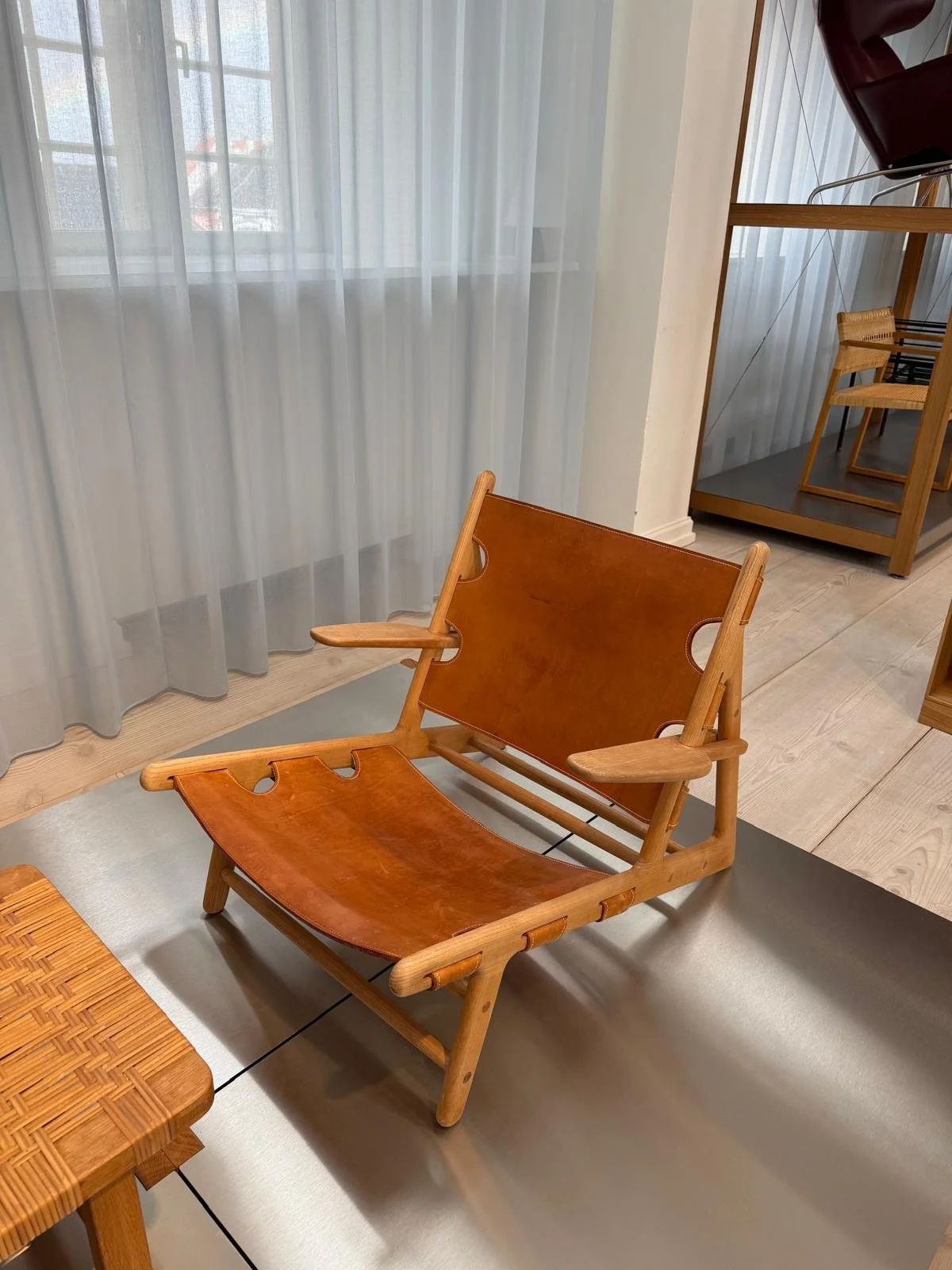
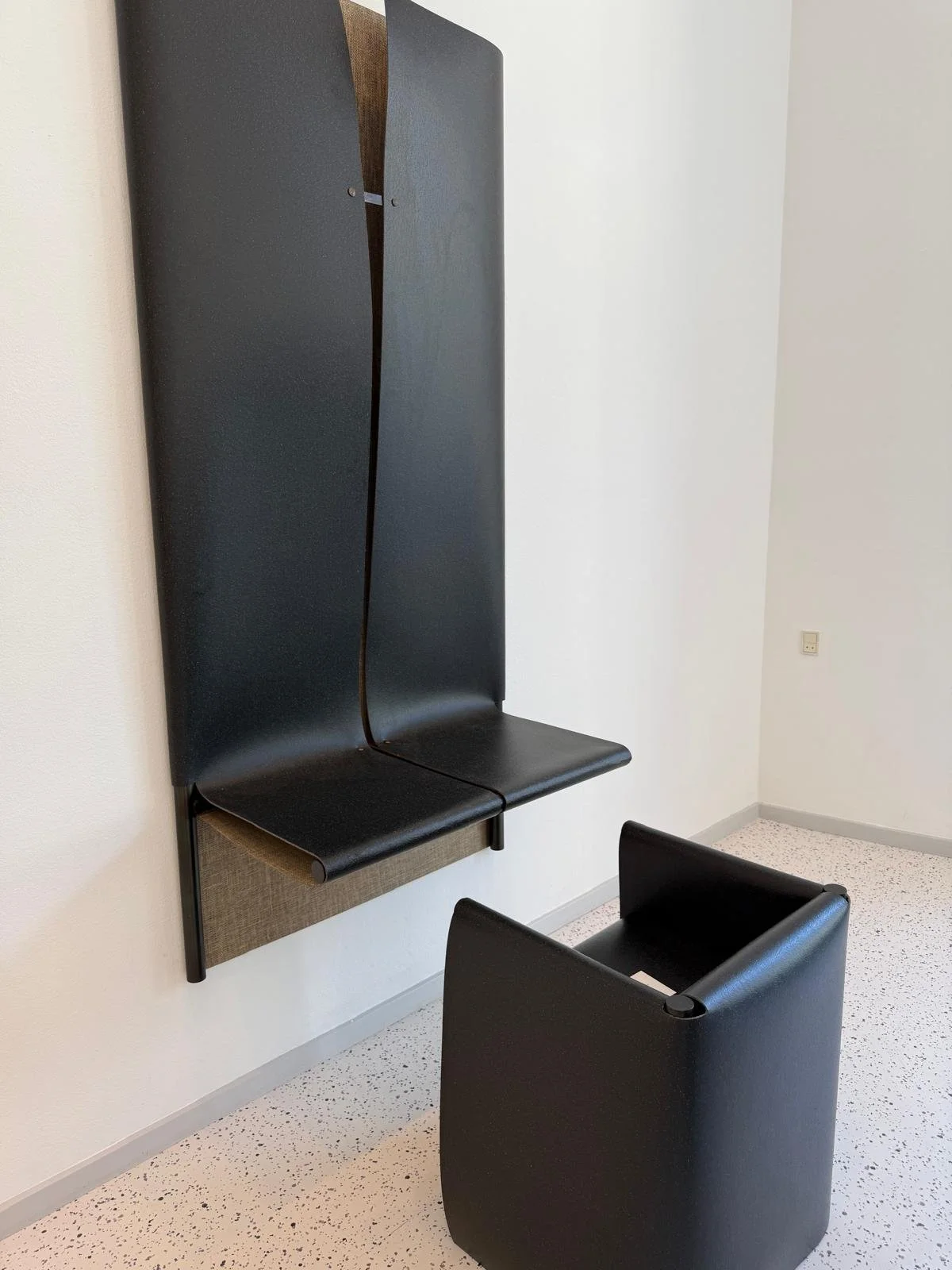
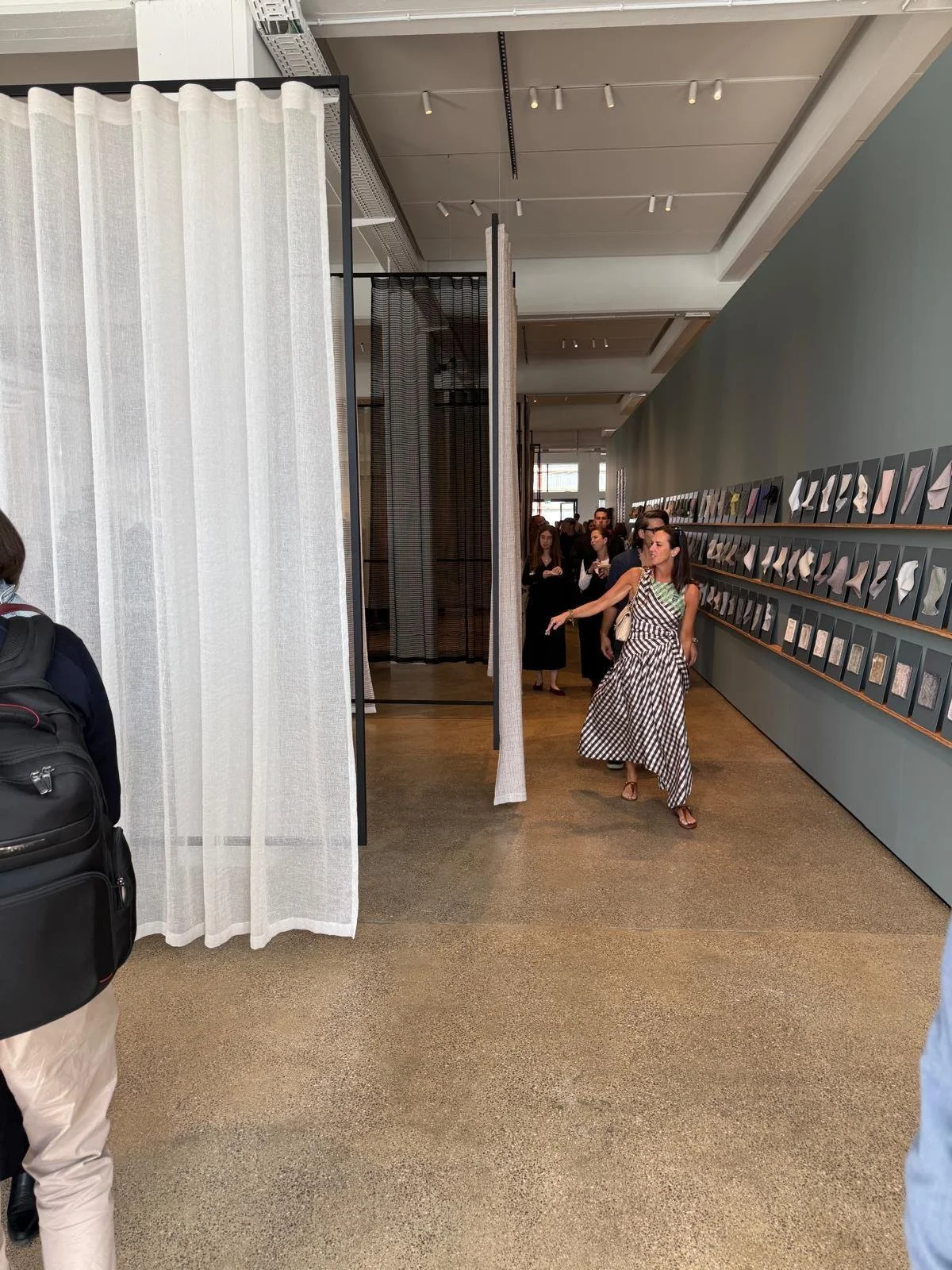
Each installation and presentation felt considered and rooted in what the Danish do best - craft, heritage and, of course, sustainable design. Although if you were offering DJ services in Copenhagen during the event, you would have cleaned up. Everywhere you looked, someone was on the decks, trying to lure visitors in with the most vibey playlist!
“3daysofdesign has been one of my calendar highlights for a number of years and this year the growth and expansion of the event was more evident than ever. What used to feel quite manageable now feels similar to Milan: prioritising what to see and what is logistically possible to fit in. However, I think the city’s geography and compact size still lend an authentic flair to the event. Hopefully, large fashion houses won’t dominate it in the coming years and its charming dynamic will remain.”
Beyond the atmosphere, however, what interested me most was how brands were using the festival itself. For a London-based agency like Sandford, the question isn't just what these spaces look like, but how they function for brands on the ground.
Structure and organisation of the event
Inevitably, as a first-time visitor, it all feels new and exciting, but as a brand considering where to showcase, the real devil is in the details of what you get for your investment. Speaking to several industry friends while I was there, it became clear that the financial and logistical structures behind the festival are much more rigorous than they might first appear.
The budgets required seem significant. In return, however, visitors benefit from a thoughtfully curated experience. An effective app helps people navigate the city and discover exhibitors, while walking tours and dining experiences help weave brands into the wider festival programme.
It also feels less like the trade fair model of Clerkenwell Design Week, with sales teams greeting your badge before you when you enter a showroom. CDW has its place, but 3daysofdesign offers something different: a more narrative-led approach to brand positioning.
The press are invited by the organisers and can join dedicated tours, which by all accounts revolve around a fairly relentless schedule with barely enough time for a Danish pastry.
We asked author, journalist and speaker Katie Treggiden, who joined the press cohort, for her thoughts:
“[The press trips] are incredibly efficient: you cover a huge amount of ground, get direct access to designers and brand owners, and with logistics handled for you, your head is completely free for design.
That said, efficient and effective aren’t the same thing. Not every stop will be relevant to your publication or specialism, so going solo can mean a sharper focus. Though sometimes the itinerary throws up a genuine surprise, something you’d never have sought out but are glad you found.”
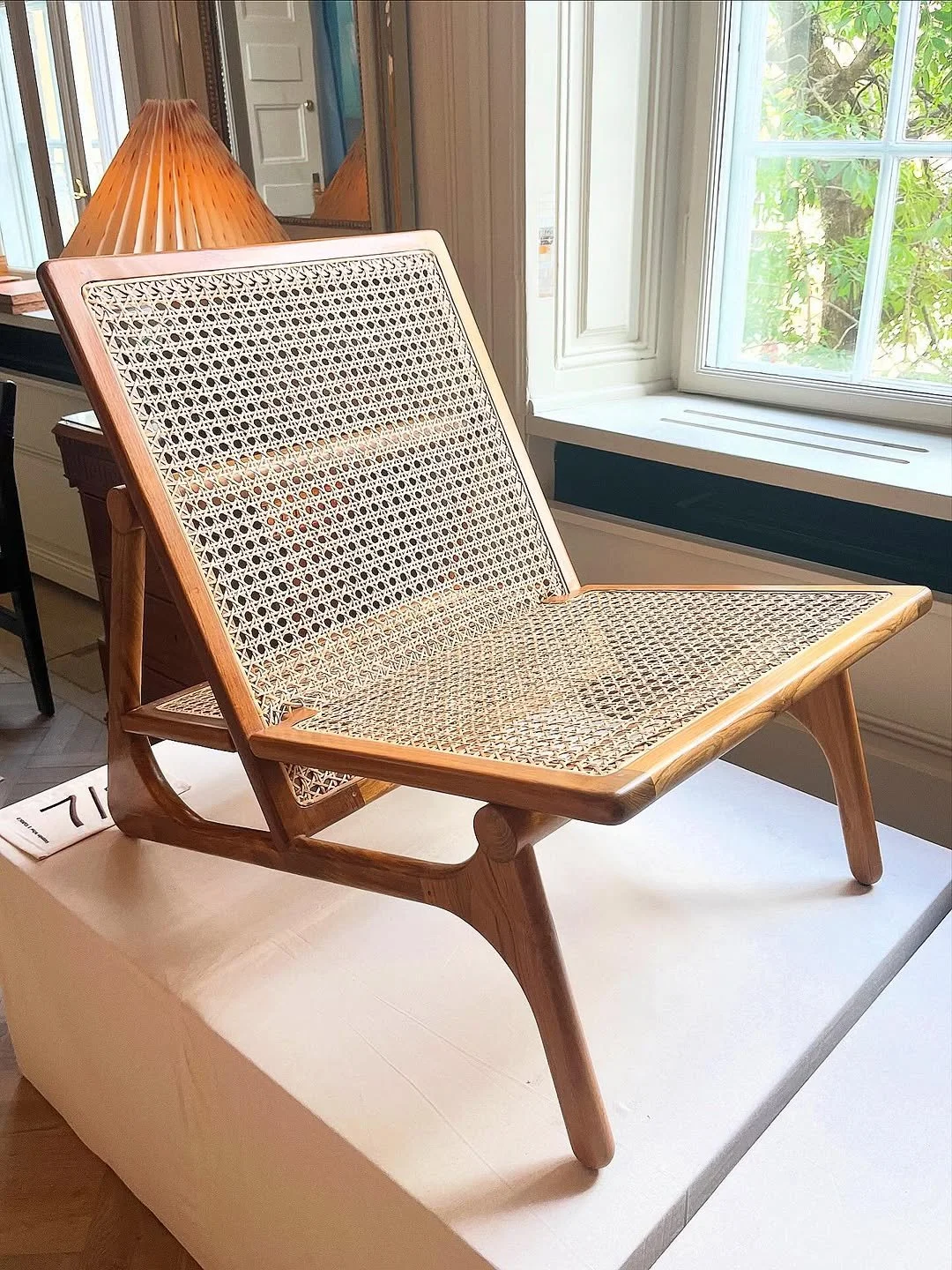
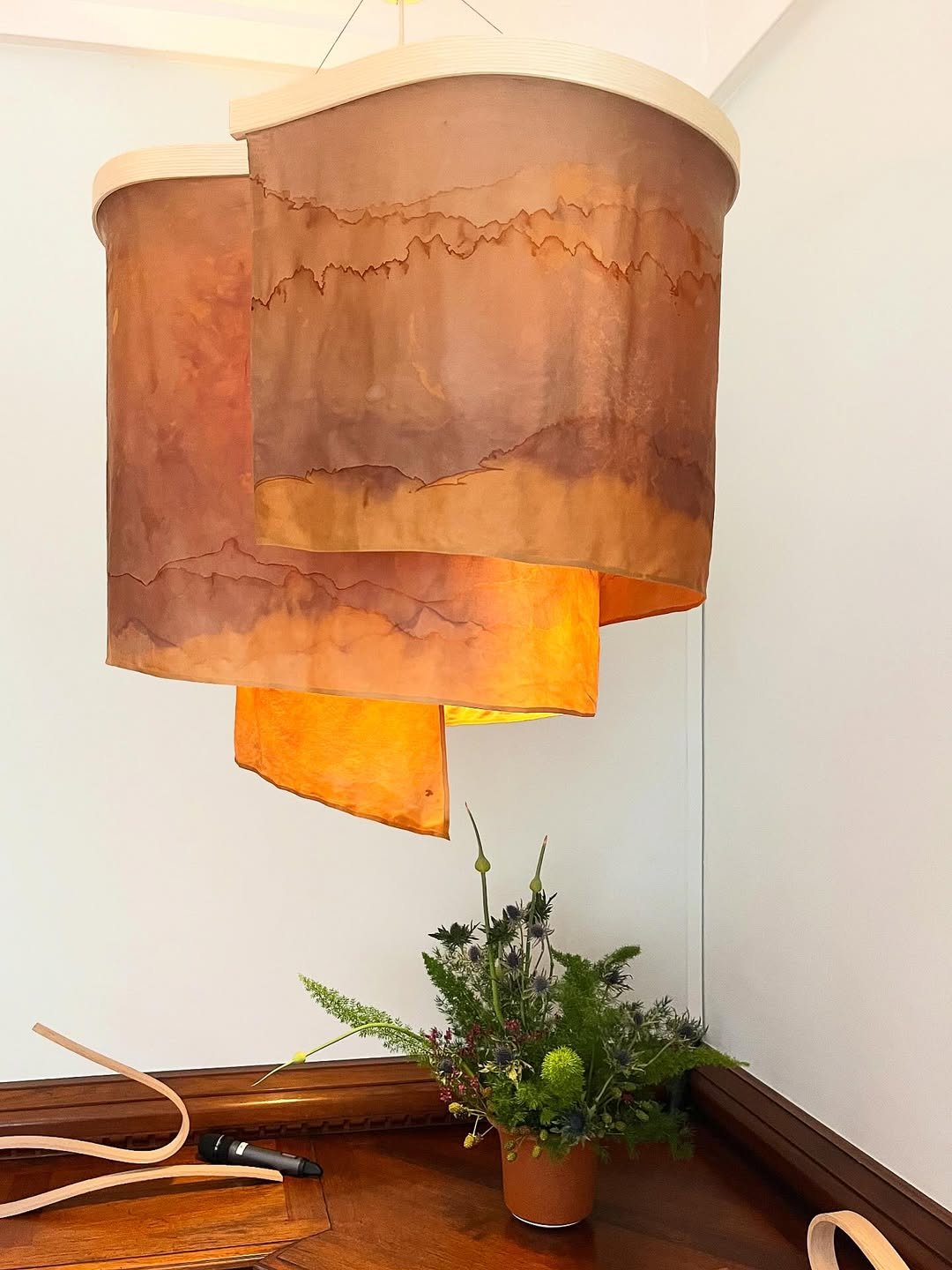
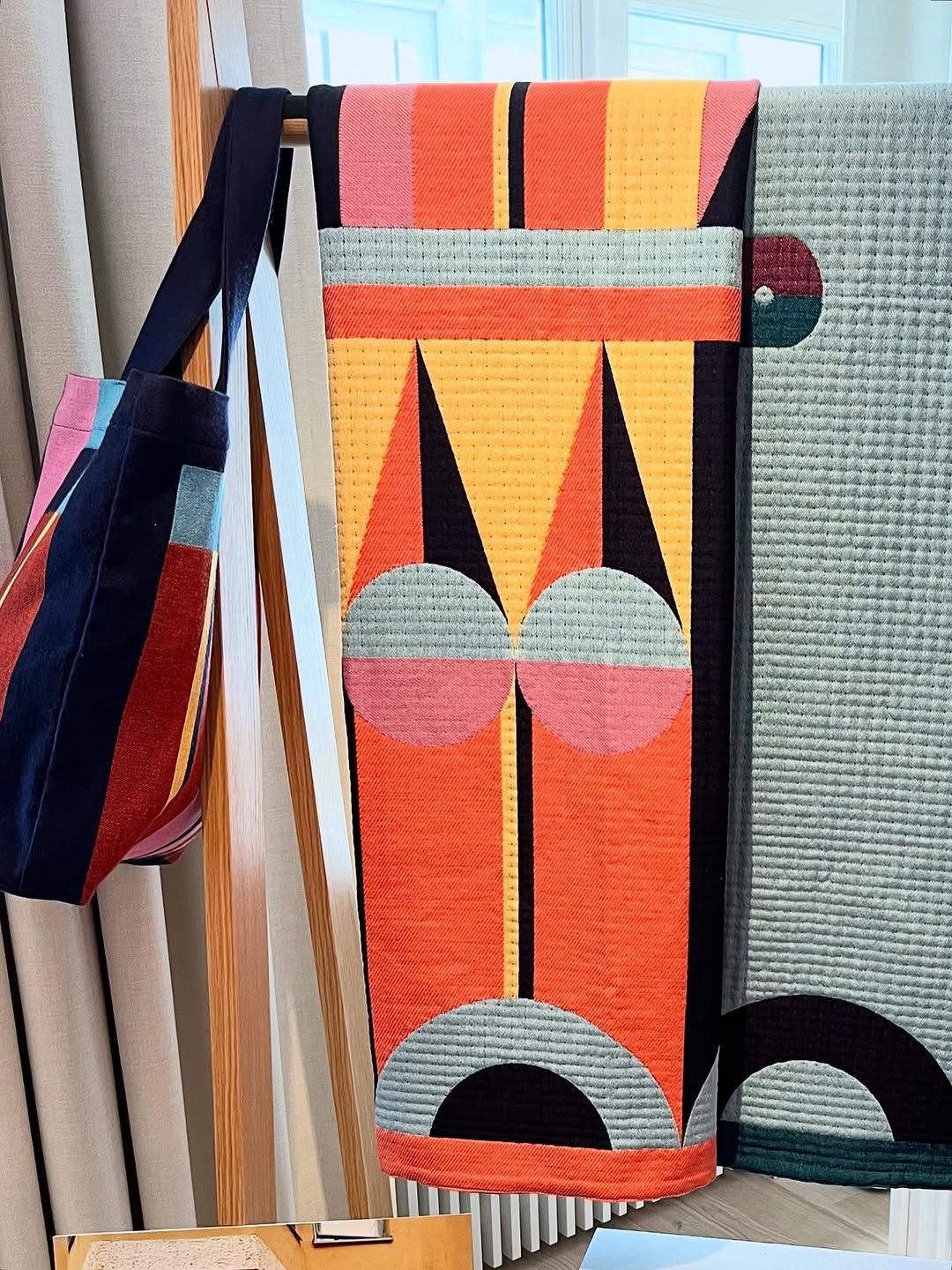
Some of Katie’s highlights: KAIKALE with Alexander Mihel, Ladies and Gentlemen Studio and natural dye artist Cara Marie Piazza and Estonian designer Maarit Poor
Ultimately, if I compare it to the slightly stale model of London Design Festival or the overwhelm of Milan, Copenhagen feels ready to receive design tourists at scale every June. One question that came up repeatedly during the week was how the city will cope if exhibitor and visitor numbers keep rising, particularly given Copenhagen's relatively small size and high costs. For now, though, the festival experience has been carefully considered from every angle, creating an environment that benefits exhibitors, journalists and visitors alike.
So, what can visitors expect to see?
What types of brands are there?
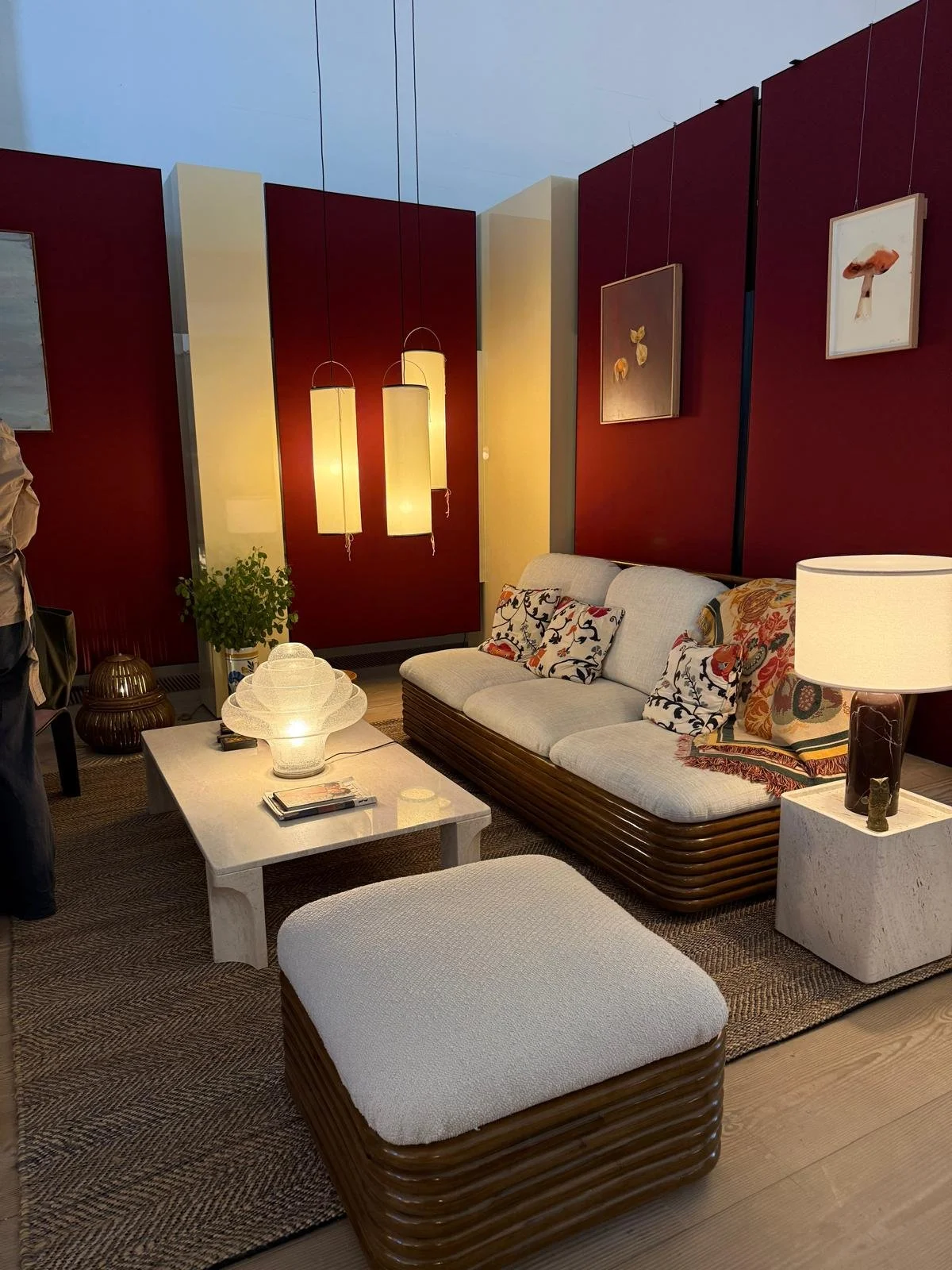
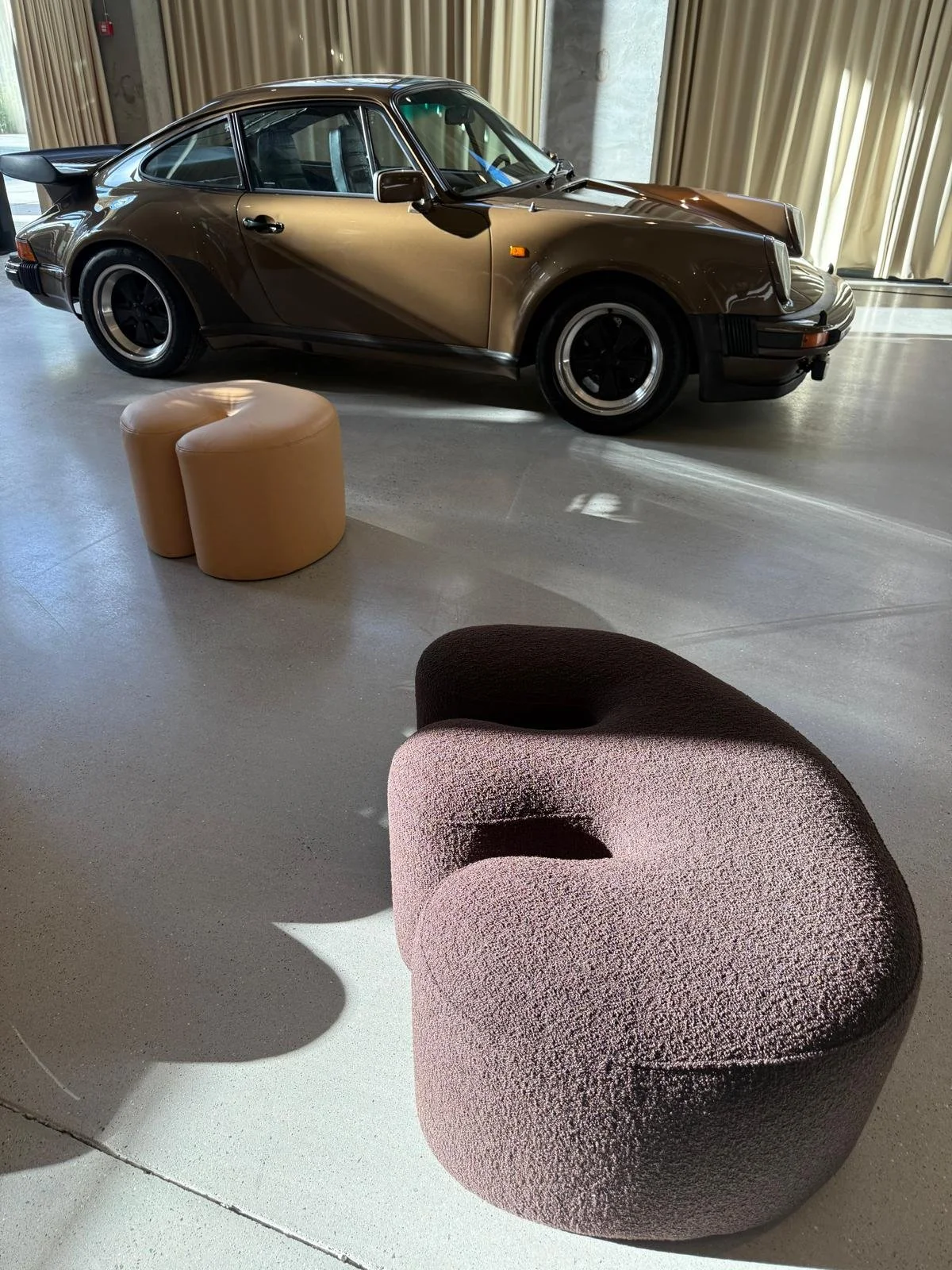
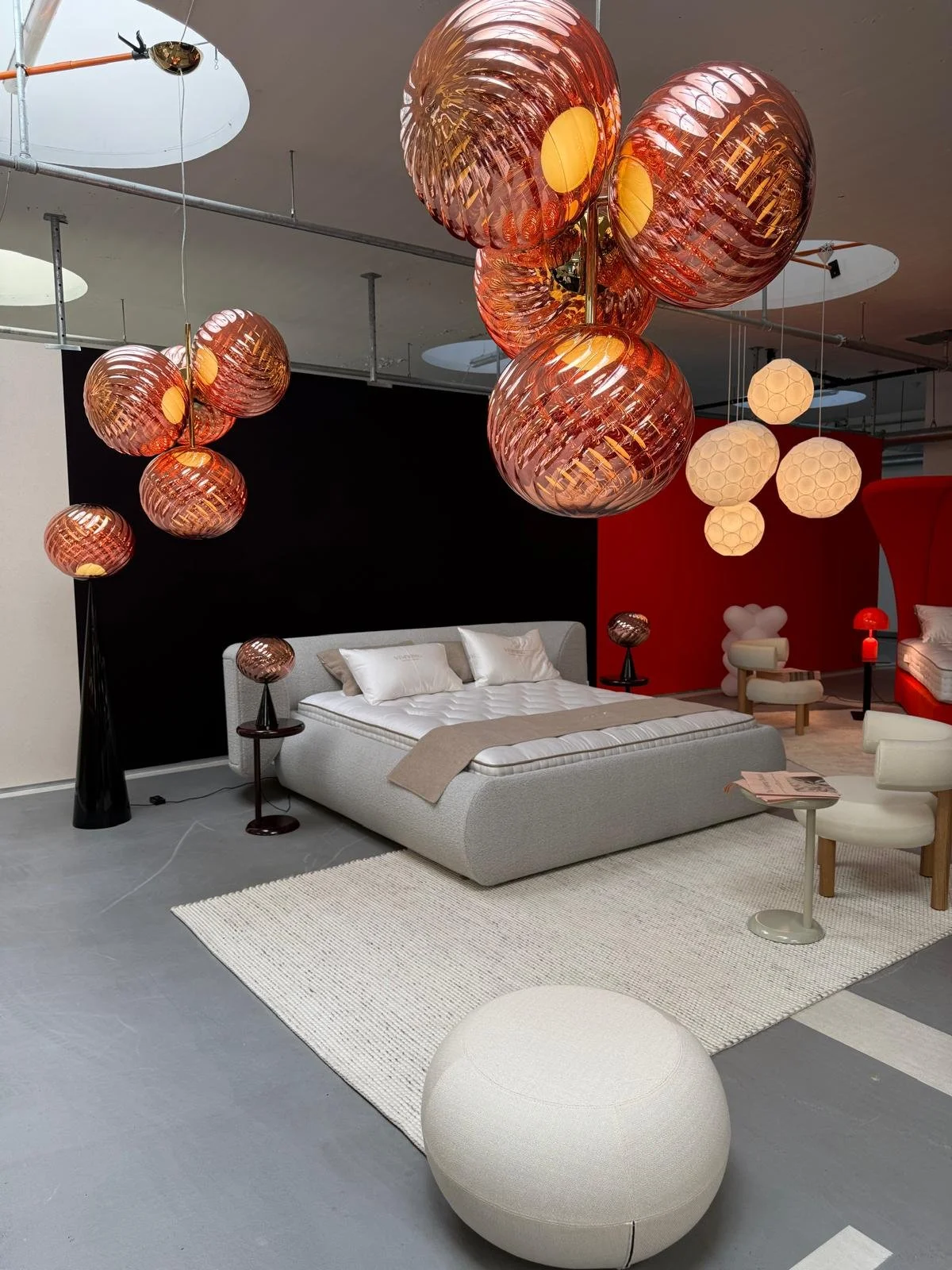
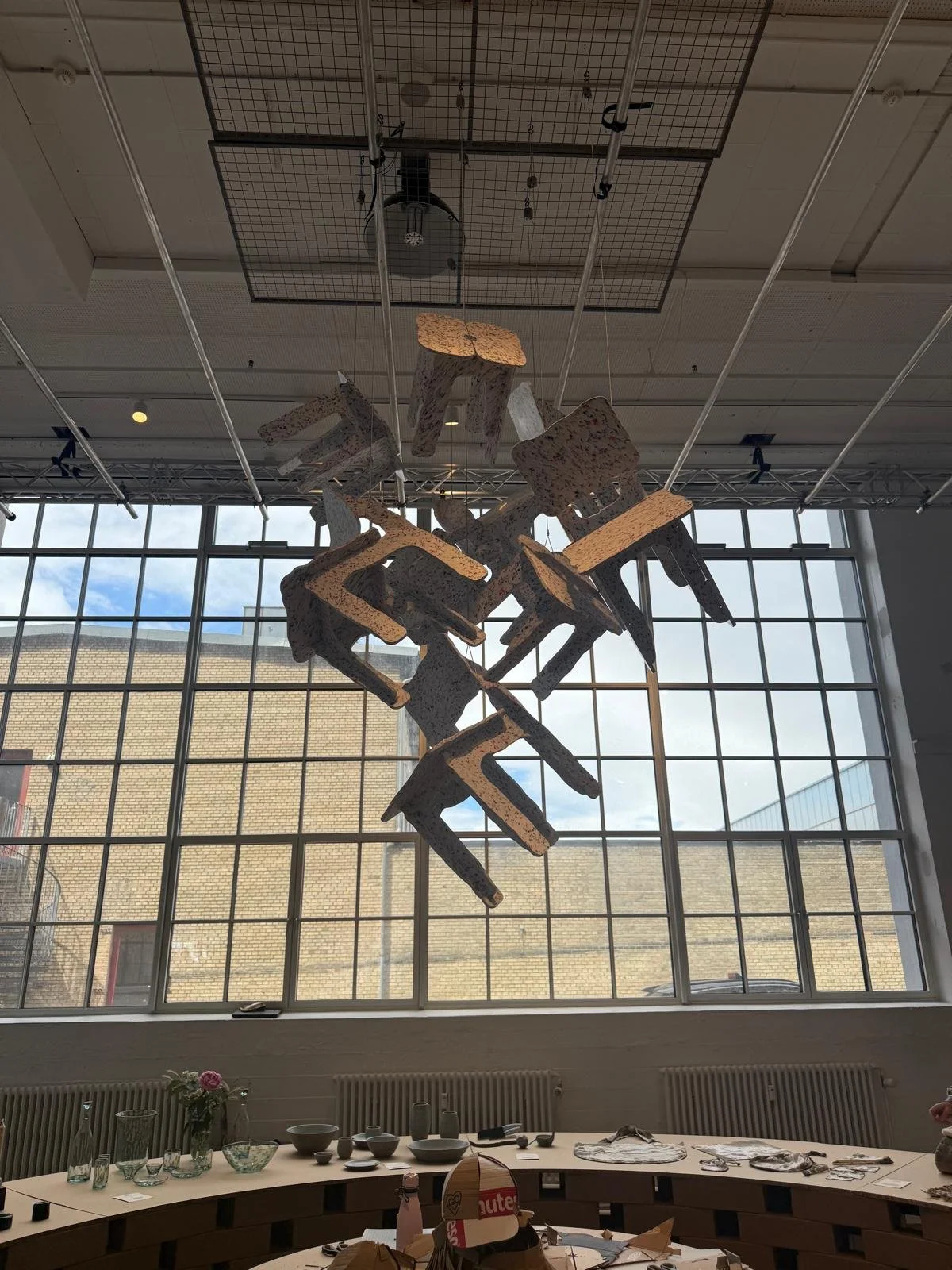
One thing I loved about 3daysofdesign was its clear commitment to emerging talent and craftsmanship, something I feel has been lost at many design fairs. Alongside established brands, there is genuine space for independent designers, makers and creative collectives to present new ideas and gain visibility.
As the festival has grown, larger international names have inevitably become part of the mix. This year, exhibitors included Tom Dixon with his Carpark, Material Matters returned for its second year, and Sydney-based stylist and creative director Claire Delmar, who brought Latitude to Copenhagen, showcasing more than 40 leading and emerging Australian designers. What was striking, however, was how these international participants embraced the spirit of the festival, leaning into the Scandinavian emphasis on considered craft, materiality and culture rather than simply importing a pre-existing brand experience.
At its heart, though, 3daysofdesign remains a celebration of Danish and Scandinavian design. From Kvadrat and GUBI to &Tradition and Fredericia, the region's heritage, craftsmanship, and design legacy remain central to the festival's identity and enduring appeal.
The threads of sustainability and design history
When we were in Milan this year, the installations that told the strongest and most compelling stories, such as When Apricots Blossom, were often those that resonated most deeply with visitors.
Here in Copenhagen, arguably one of the design capitals of the world, I was reminded of several things often forgotten at traditional trade fairs.
It took me back to my design history lectures and the origins of Danish design itself. Emerging from a relatively small nation with limited industrial infrastructure and a complex coastal geography, Danish design evolved from traditions of craftsmanship, the Arts and Crafts movement and a distinctly human-centred approach to modernism. Today, Denmark is home to world-leading industries, from pharmaceuticals and renewable energy to maritime logistics and digital technology. Yet despite that transformation, many of the values that shaped its design culture remain intact.
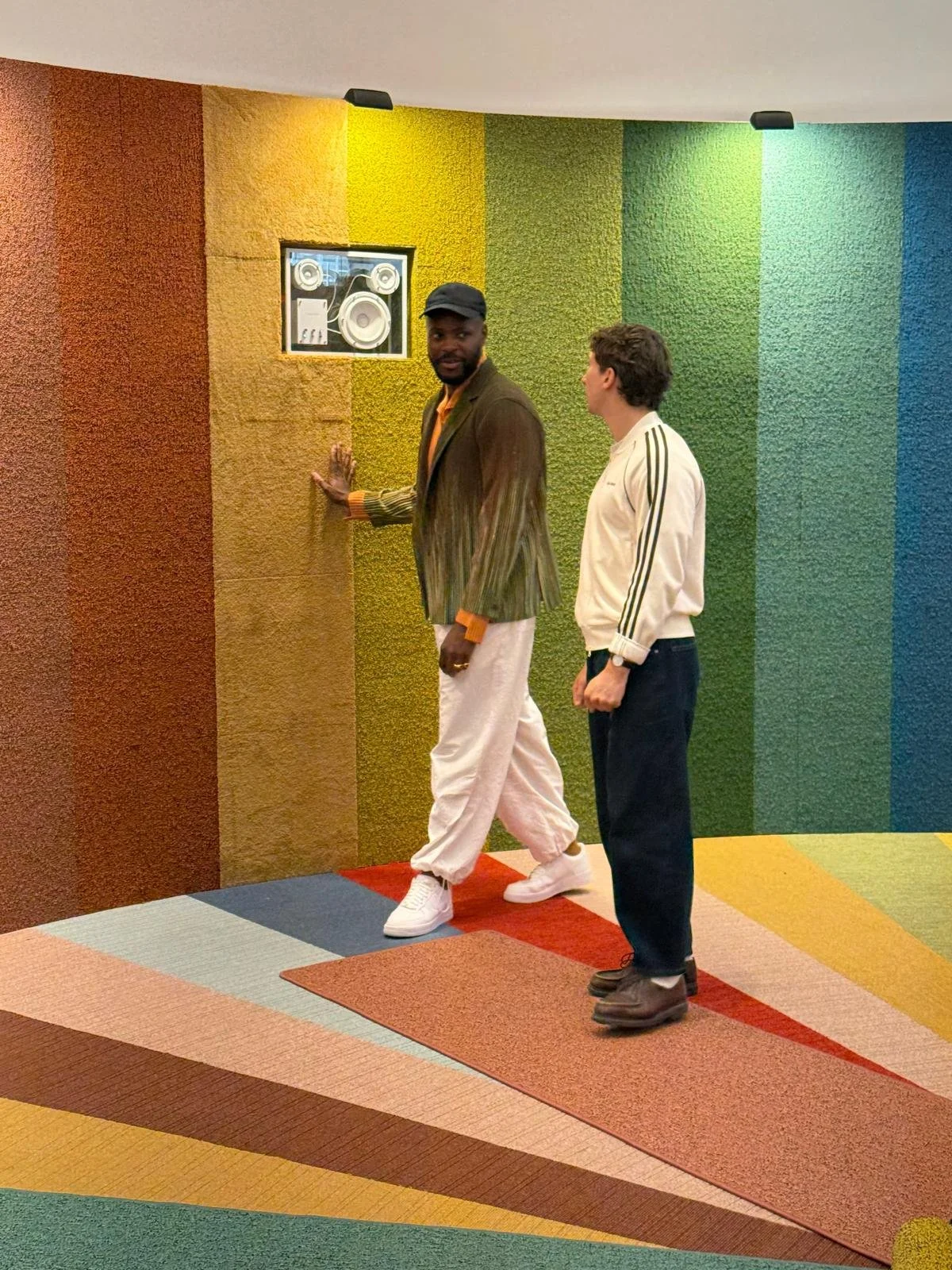
Sustainability, in particular, runs through the festival in a way that feels inherent rather than performative. It doesn't need green-shouting; it is simply part of the design language. That is why brands like Tarkett and Kvadrat can sit comfortably alongside more up-and-coming makers. They all have that narrative embedded in what they do. It doesn't feel like the excess of Milan or the transient nature of so many installations, where the promise that “yes, it will all definitely go on to somewhere else useful” is often met with a raised eyebrow or two.
The future of 3daysofdesign: what's next?
Invariably, at these events, there are questions about ROI, viability, longevity, and purpose. I have been in the industry for more than 25 years, and not much has changed on that front. The question for 3daysofdesign is what its next chapter looks like.
There is a clear concern that, as the festival grows, it could be swayed by the lure of bigger budgets from fashion houses or automotive brands, following a path similar to Milan and diluting some of the qualities that have made it so appealing.
“What has always drawn us to 3daysofdesign is its historically relaxed, open approach to exploring a design city. While the festival is shifting towards a more hectic landscape filled with events and brand noise, we wanted Material Matters to contribute something different through a highly curated exhibition focused on material intelligence. The quality of visitors and exhibitors was exceptional, and we were delighted by the response.
However, the festival’s commercial infrastructure presents real challenges. The mandatory registration costs for official exhibitors can make participation incredibly difficult, limiting our ability to showcase emerging studios and smaller-scale experimental work. As the festival continues to grow, finding ways to support those voices will be an important part of preserving what makes 3daysofdesign special.”
As an organiser, I imagine that is a constant balancing act. There is only so much you can ask local brands to invest while ensuring they see a meaningful return. Indeed, there was plenty of discussion about the satellite event Other Circle, which had gained traction alongside the festival rather than paying to be part of it.
My hope is that the things I valued most during my visit and throughout all my conversations remain central to its future and are not drowned out by those with the biggest budgets or the loudest voices. The Danes and their Nordic counterparts have spent decades building a design culture that is recognised and admired around the world. It would be a shame if that foundation were diluted in the pursuit of growth.
Ultimately, the real test for 3daysofdesign will be whether it can retain its human-centred approach as it scales. For the brands we partner with, there is a lesson here: relevance is not built on prestige alone, but on adaptability, authenticity, and a genuine sense of place. As an agency, we are committed to thinking both internationally and locally for our clients, so this is one festival we will be watching closely in the years ahead.
