
SEO for interior design and architecture firms: The 2026 Guide
The 2026 SEO Strategy Shift

It’s hard to escape the topics of AI and GEO (Generative Engine Optimisation) these days. It floods the airways and often our timelines with content, from newsworthy and useful applications to the now-common phrase ‘AI slop’.
When it comes to luxury brands, however, there has been a marked shift in how potential clients discover you. They are no longer simply searching for ‘best architect near me’, but instead, using conversational and highly specific AI prompts in their platform of choice to help research their decision.
Indeed, Gartner forecasts that traditional search engine volume will drop 25% as users pivot to AI chatbots and virtual agents. Instead of the classic "search, click, read" loop, a quarter of all queries are handled entirely within the AI interface, also relying on brand visibility above all.
According to data from Seer Interactive, when Google injects an AI Overview into a search result, the organic click-through rate for the websites listed below drops by 61%.
These are pretty stark statistics, particularly if you have recently invested in a shiny new website. However, what is now clear, and an inherent problem in design-led brands, is that beautiful websites, without any context, might look lovely, but are very visible to AI search crawlers. This can leave your site in the dark.
How to optimise an online interior design or architecture portfolio for search discovery
The good news is, there is a lot we can do to support and improve your site's visibility. First things first - your portfolio.
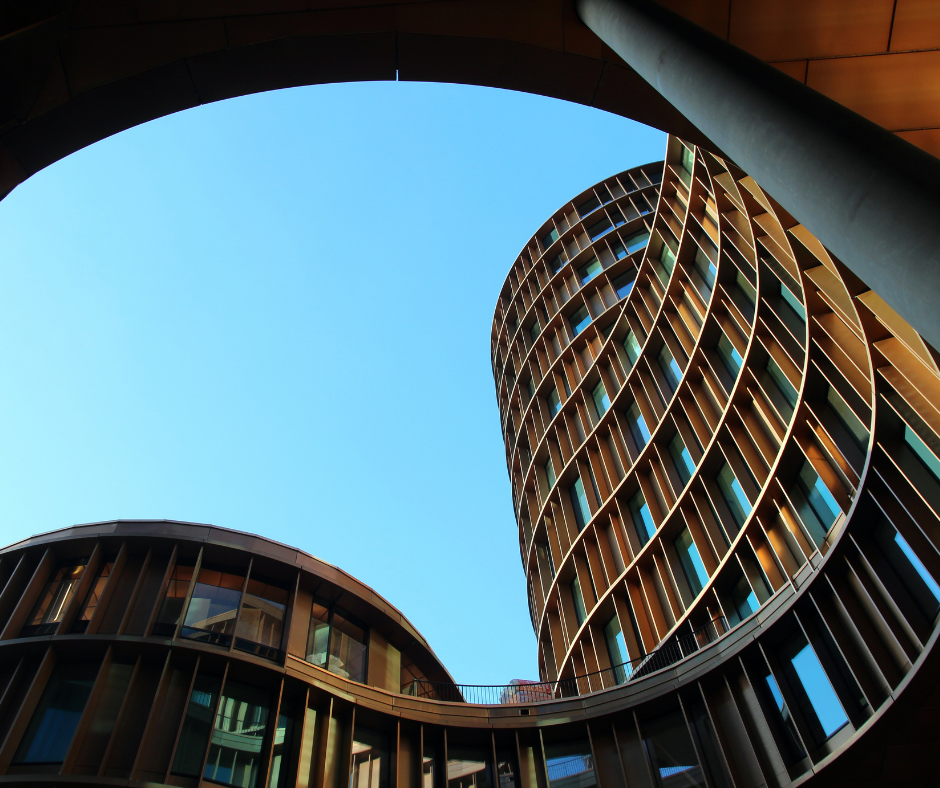
Whether it's a project case study or a thoughtful article on how your product has been used in a space, turning these static portfolio pieces into more dynamic case studies should be your first starting point.
From a technical point of view, it’s known as the “Fan-Out” Query Model. Dry as the title sounds, it's important to understand this. AI breaks down complex searches into sub-queries (e.g., a search for a "wellness-focused coastal villa" triggers sub-searches for material sourcing, zoning, and microclimate design).
Brands now have to consider a more appropriate structure for their case studies, so that search engines can immediately understand what they are ‘looking’ at. For example, a project case study might include:
The Brief & Location: Specific neighbourhood constraints.
The Challenge: Zoning laws, historic preservation, or structural hurdles faced.
The Solution: Precise architectural style and materials used (e.g., "Passive House principles", "biophilic design").
And it’s not just about the words. The images, too, must be considered, with visual SEO rules playing an increasingly important role. So, instead of IMG_4021.jpg, include technical details when naming high-res images (e.g. mid-century-modern-kitchen-renovation-surrey.jpg) and include descriptive alt text.
Depending on the volume of projects/case studies, this is an immediate win for your discoverability.
However, more fundamentally, brands and companies often overlook the foundations of their website and apply the ‘one and done’ approach to ‘doing SEO’. Unfortunately, it’s not a case of adding a page title and meta description, and that’s your SEO done. It’s an ongoing and interactive process to ensure you don’t drop down the ranks of results either in Google or in LLMs.
Technical SEO and GEO for Architecture and Interior studios
As a basic rule of thumb, if AI bots can't scrape the site quickly or accurately, the firm does not exist in AI summaries or traditional search engines.

When starting with a new client, our SEO team completes an essential SEO audit. These include technical checkpoints that ensure AI user-agents (like ChatGPT-User) aren't accidentally blocked by server security settings or CDNs like Cloudflare.
We also look at more complex things, such as Schema Markup and, of course, check Core Web Vitals, such as balancing high-resolution design renders with lightning-fast mobile load times. This is a common issue with design and architecture firms!
If you are a founder or Marketing Manager, these types of technical details might seem heavy-handed, but in today’s fast-paced, AI-driven world, they are more important than you think to the success of your discoverability.
Local SEO & Niche Dominance

For high-net-worth (HNW) individuals and premium commercial developers, search intent is rarely generic. These clients are not looking for a generalist; they are looking for a specialist who can mitigate risk. In high-value architecture and interior design, time and capital are the ultimate commodities, and a single misstep with a local planning authority or an incorrect material choice can derail a multi-million-pound project.
Consequently, search behaviour in this tier heavily favours localised nuance and highly specific architectural constraints.
The Value of Hyper-Local Expertise
Premium clients frequently prioritise localised knowledge over global prestige. They require professionals who possess a deep, granular understanding of regional variables:
Regulatory Landscapes: Navigating the complex, often unwritten preferences of specific local planning boards or the stringent constraints of working with Grade I and Grade II Listed buildings.
Environmental Factors: Designing for distinct microclimates, specific topographical challenges, or unique regional architectural vernaculars.
The Artisan Network: Accessing trusted, top-tier regional craftsmanship and specialised local sub-contractors who can execute bespoke designs to an exacting standard.
Reassurance Over Reach
When a prospect inputs a highly specific query into a search engine or AI tool, they are looking for reassurance. They want absolute certainty that the firm they hire has solved their exact problem before.
Firms that align their digital presence with these highly specific niches inherently attract higher-quality leads. By signalling deep familiarity with specific project complexities, rather than attempting to appeal to the broader mass market, firms can position themselves as the only logical, risk-averse choice for discerning clients who refuse to have their time or money wasted.
The E-E-A-T Framework for Design Firms
Search engines use a quality framework known as E-E-A-T (Experience, Expertise, Authoritativeness, and Trustworthiness) to separate genuine practices from internet noise. In an era where AI can generate flawless concept art, verifying a firm's real-world footprint is critical for raising brand awareness. For premium practices, E-E-A-T is simply the digital translation of your professional reputation.
Verifying Professional Credentials
Algorithms actively filter out faceless studio pages in favour of verifiable human credentials. To build trust, search engines cross-reference a website against official industry markers, looking for validated links to recognised bodies like RIBA, ARB, or the BIID, alongside detailed profiles of the directors. If a practice lacks these verifiable real-world anchors, search platforms treat it with scepticism.
The Power of Peer Citation
True authority cannot be self-proclaimed; it must be granted by peers. The digital ecosystem tracks how other reputable entities talk about your practice. Security and standing are established when a firm is cited, reviewed by clients and peers, or featured by high-authority industry platforms, such as national design awards or major architectural journals. These external validations act as digital endorsements, signalling to search platforms that your studio is the logical expert to recommend.
Crucially, this authority cannot be forced by spamming third-party websites with generic backlink requests, a tactic modern search filters easily detect and penalise. Instead, sustainable digital equity relies on considered editorial contributions and targeted digital PR that reflect the studio's actual calibre.
Conclusion: Designing for the Future
The shift from traditional search engines to generative AI tools does not mean the end of digital marketing for architects and interior designers. It simply means the rules of visibility have evolved. The era of treating a website as a static, beautiful picture book, or trying to win the internet through generic keyword chasing, is officially over.
For high-end practices, success in 2026 and beyond relies on a dual approach: maintaining an impeccable, high-resolution aesthetic for human visitors, while providing deep, structured, and verifiable context for machine crawlers. By structuring your portfolio around real-world challenges, securing technical accessibility, and anchoring your digital presence in genuine E-E-A-T signals, you ensure your firm is the one AI engines explicitly trust and recommend.
Ultimately, your digital presence should match the calibre of your physical presence. Do not leave your studio's discoverability to chance or blocked web crawlers. If you have not audited your site’s technical foundations or AI accessibility this year, now is the time to lay the groundwork before your pipeline drops down the ranks.
