
Why Your PR and Digital Strategy Need to Be Holistic
How Communications Have Changed
Fifteen years ago, when Katherine founded Sandford, brands with a PR agency and a digital agency considered themselves well covered. The two disciplines sat in separate rooms, operated under separate briefs, and rarely spoke to each other. For a while, that was fine.
The shift came gradually, then all at once. Social media moved from novelty to necessity. Editorial migrated online, and the influencer emerged as a hybrid of journalist, content creator and brand partner. At Sandford, we responded by building our digital division under Christina's leadership, designed from the outset to work in close collaboration with the PR side of the agency rather than alongside it at a distance.
Today, brands that still treat PR and digital as separate functions are paying a price, even if they can't always see where they're losing ground.

Katherine Sandford-Anderson
The Real Cost of Siloed Thinking
So what does that price actually look like in practice?
The most obvious casualty is amplification, because a strong press placement in a prestigious interiors title is a genuine achievement, but without a digital ecosystem in place to support it, its shelf life is remarkably short. There is no supporting content to extend its reach, no social strategy to put it in front of new audiences, and no SEO benefit to ensure it continues working for the brand long after the issue has left the newsstands.
Messaging is another area where the cracks tend to show, often subtly at first, but with increasing visibility over time. When PR and digital are briefed separately, two distinct voices can quietly emerge, and design and luxury consumers, who are among the most media-literate audiences, will notice when a brand feels inconsistent, even if they can’t quite put their finger on why.
There is also a less visible but equally damaging kind of inefficiency that comes from keeping the two disciplines apart, one that manifests as duplicated effort, conflicting priorities and good ideas that fall into the gap between two teams who simply are not talking to each other. In an industry where reputation is everything and trust between a brand and its audience is hard-won over many years, these are not minor inconveniences to be tolerated. They represent a real and ongoing cost to the authority and credibility that every ambitious design brand is working to build.
What Joined-Up Thinking Actually Looks Like
What is a digital and PR strategy, and why does integration matter?

Christina and Katherine from Sandford
The good news is that a more integrated PR and digital strategy is neither complicated nor out of reach, though it does require a genuine shift in thinking, one that starts at strategy rather than execution.
When PR and digital are planned together from the outset, the brand narrative is built once and expressed coherently across every channel. A product launch, for example, becomes a single, joined-up effort rather than two parallel workstreams that happen to share a deadline. The press materials, the social content, the influencer outreach and the supporting SEO strategy all pull in the same direction, reinforcing the same story and speaking in the same voice, because they were conceived that way from the beginning.
In practical terms, this means that media relations begins to inform content creation, and content creation in turn supports search visibility, while insights from SEO feed back into the editorial angles being pitched to journalists. What might once have been three separate conversations becomes a holistic communications strategy, with each discipline strengthening the others rather than operating in isolation.
Influencer partnerships, too, sit far more naturally within a holistic strategy than they ever did when bolted on as an afterthought. When influencer outreach is planned alongside editorial from the start, the results are more coherent, more credible and considerably more effective, because the messaging is consistent and the timing is considered.
Coverage, engagement, search visibility and brand sentiment, when read together rather than reported in silos, give a far clearer picture of how a brand is genuinely performing and where the real opportunities for growth lie. This is, in essence, what a data-led digital PR strategy looks like when it is working as it should.
Why This Matters in the Design and Luxury Sector
For brands working with a PR agency specialising in interior design and luxury, the stakes around all of this are particularly high, and the rewards of getting it right are equally significant.
Design and luxury consumers are, by nature, among the most discerning audiences in any marketplace. They read the right publications, follow the most influential voices in the industry and engage deeply with the brands they admire, which means they are also acutely sensitive to inconsistency. A brand that presents one face in editorial and quite another on social media, or whose digital presence does not reflect the quality and craftsmanship of its physical products, will find that disconnect quietly but persistently undermines its credibility.
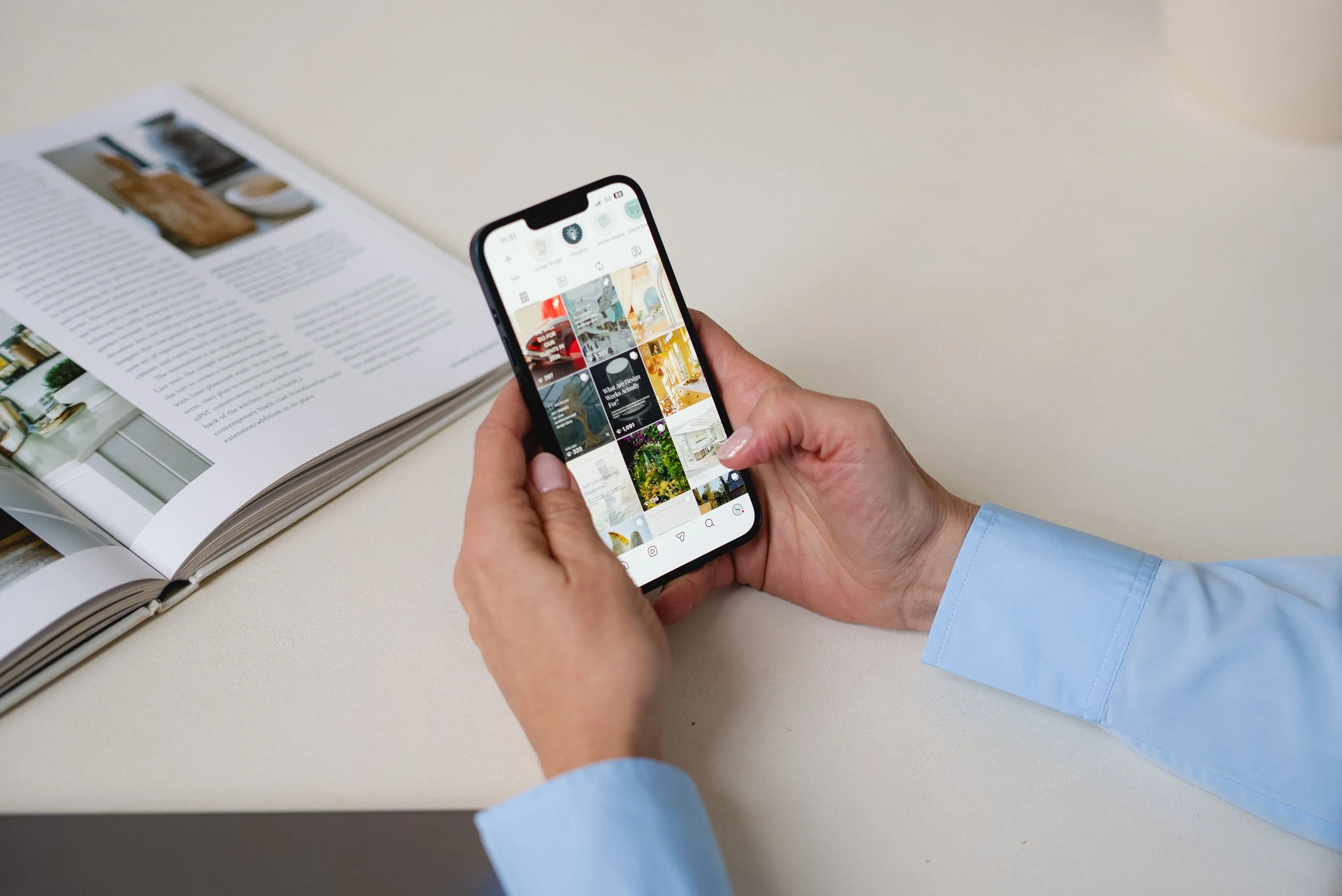
The publications, platforms and creators that matter most to this audience are themselves increasingly difficult to categorise neatly. An interiors editor may also be a widely followed voice on Instagram. A design journalist may produce content for both print and a brand's own channels. The traditional boundaries between earned media, owned content and paid partnership have become genuinely porous, and brands that are still thinking in the old categories will find themselves struggling to navigate a landscape that has fundamentally changed shape.
There is also the question of longevity. Trust in the design and interiors world is built slowly, through consistent presence, considered storytelling and relationships that are nurtured over years rather than months. That kind of sustained, meaningful brand building simply cannot happen when communications are fragmented, because the audience experiences the brand as a whole, across every touchpoint simultaneously, whether or not the brand itself is thinking that way.
Fifteen Years of Thinking This Way
At Sandford, this is not a conversation we have come to recently. When Katherine founded the agency fifteen years ago, the instinct was always to think about communications in the round, to consider not just the story being told but all of the ways in which it could reach and resonate with the right people. The integration of our digital division under Christina was not a pivot or a reinvention but a natural evolution, one that reflected where the industry was heading and where our clients needed us to be.
Over the course of those years, we have watched the communications landscape transform in ways that would have been difficult to predict at the outset. The rise of social media, the migration of editorial online, the emergence of the influencer as a genuinely powerful force in the design and interiors world, these shifts have all reinforced rather than challenged our founding belief and our approach as an integrated communications agency based in London, that great communications begins with a single, coherent narrative and radiates outward from there.
What has not changed is the importance of relationships, with clients, with editors, with content creators and with the wider industry network that we have spent years building. In a fragmented media landscape, it is trust and connection that cut through where volume alone cannot, and that, more than anything, is what an integrated approach protects and nurtures over time.
Conclusion
The direction of travel is clear, and it is only going in one way. As AI-driven search continues to reshape how audiences discover content, as social platforms become increasingly powerful editorial spaces in their own right, and as the boundaries between earned, owned, and paid media continue to dissolve, the case for integrated communications will only strengthen.
For brands in the design and luxury sector, the opportunity is significant. Audiences in this space are engaged, loyal and responsive to brands that show up with consistency, authority and a genuine point of view, across every channel and every touchpoint. The brands that will build the most meaningful presence in the years ahead are those that stop thinking about PR and digital as parallel workstreams and start treating them as two expressions of the same conversation.
That is the approach we have always taken at Sandford, and it is the one we bring to every client relationship we build.
If you are ready to think about your communications in a more joined-up way, we would love to talk.
Image credits: Hannah Lovemore
