
What are the new trends in luxury hospitality?
A shift towards meaning, connection and cultural sensitivity
The luxury hospitality sector has endured years of volatility, yet the conversations emerging from HIX LDN this year felt unexpectedly energising. Beneath the surface of economic pressure and global uncertainty, the luxury end of the market is quietly – and confidently – redefining itself.
Rather than returning to old notions of extravagance, today’s vision of luxury is grounded in something far more nuanced: emotional connection, cultural awareness and an insistence on integrity. If the past decade destabilised the sector, the next one looks set to re-root it.
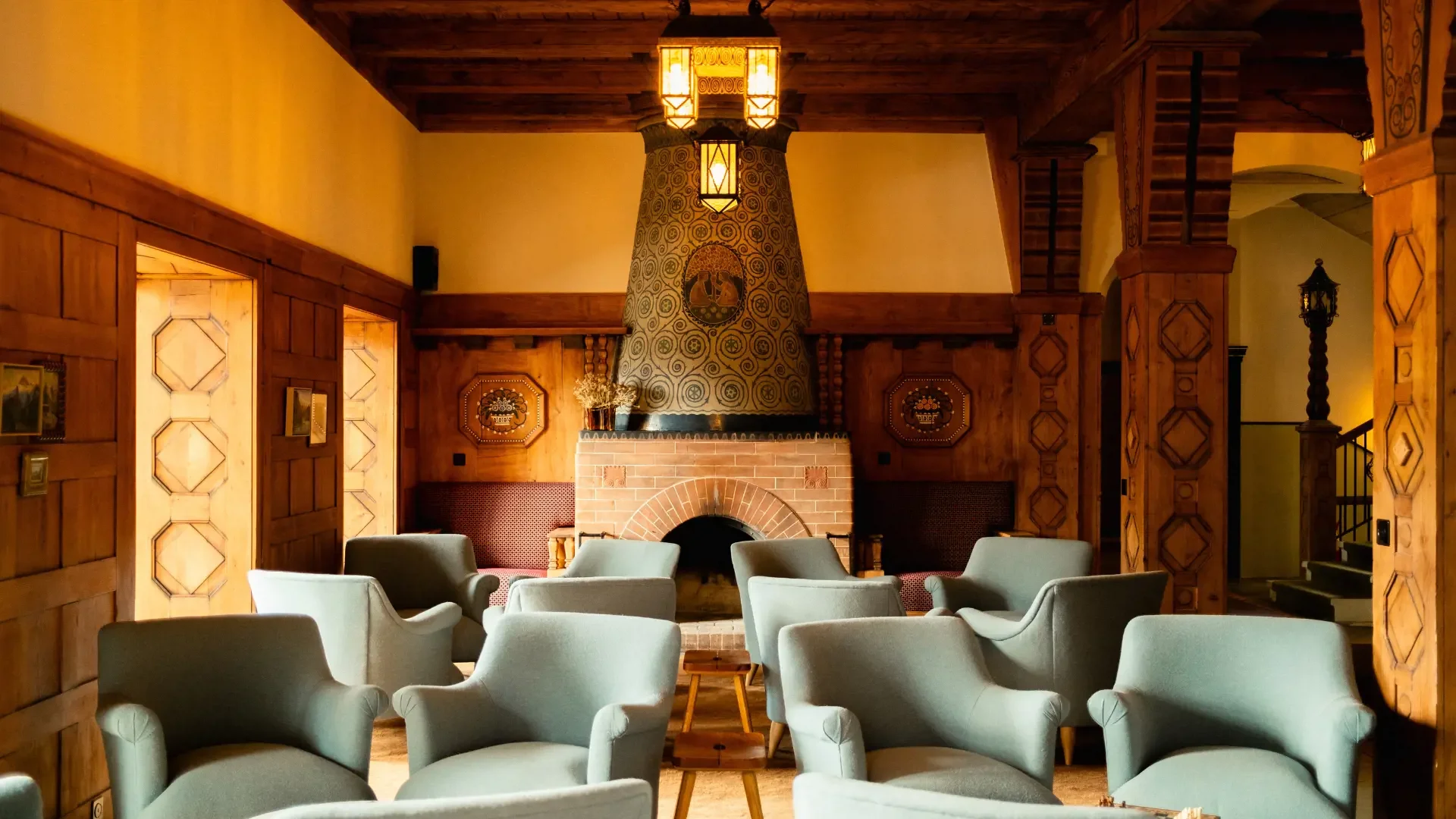
Grand Hotel Belvedere, Beaumier
A More Personal Understanding of Luxury
One of the strongest threads running through the discussions was the idea that luxury has become profoundly personal. “Designers and operators spoke about experiences shaped not by grand gestures but by small, deeply human ones – a by-name welcome, a favourite drink already waiting, thoughtful local touches in-room, or service that quietly removes friction before it’s felt.
This shift places a premium on anticipation, intuition and warmth. In many ways, luxury in the hospitality industry is moving beyond aesthetics and into the realm of emotional intelligence and ‘luxury language’. The details still matter, but they matter because of the stories they tell and the relationships they build.
How is the definition of luxury changing in hotels?
Restaurants Reclaiming Their Place in the Narrative
There was also a notable confidence around hotel restaurants – an area previously overshadowed by the rise of independent dining. Today, hotels are reclaiming F&B as a central part of their identity. Not through formality or spectacle, but by rooting their culinary spaces in local culture and designing them to be as welcoming to the neighbourhood as to the passing guest.
This shift restores the restaurant as a cultural and social anchor within a hotel – a place that carries the building’s energy, tells its story and connects it to its surroundings.
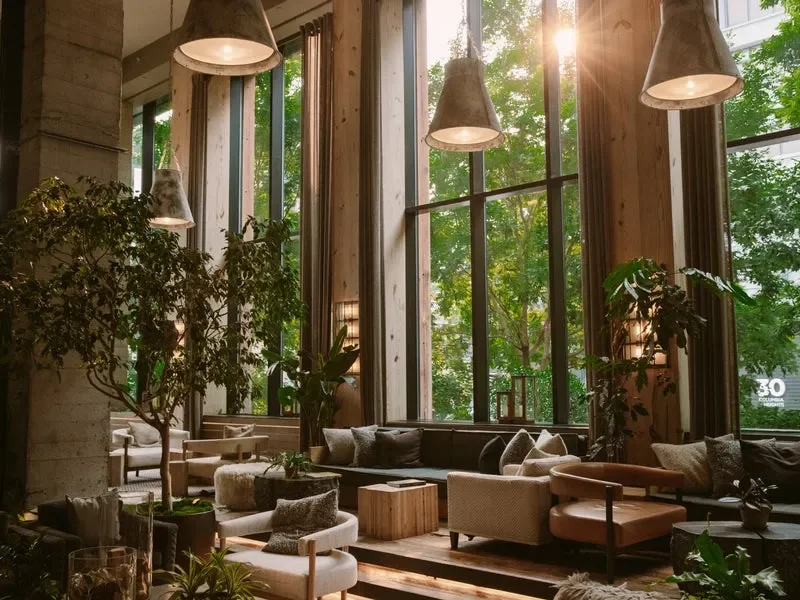
1 Hotel Brooklyn Bridge, New York by Starwood Hotels
Designing for Belonging, Not Display
Across the panel discussions, the role of design emerged as a defining force in shaping a sense of place. What resonated most was an insistence on authenticity: whether a hotel is a storied institution or a contemporary project, its design must respond to its own cultural and architectural context.
Increasingly, designers are creating spaces that feel warm, tactile and human. It is an interesting counterpoint to the traditional markers of luxury, revealing a desire for environments that offer comfort and belonging rather than awe for awe’s sake.
Integrity at the Core
Perhaps the most compelling theme was the idea of integrity – a quality once assumed but now consciously cultivated. Guests are more attuned to inconsistencies, and luxury brands can no longer rely on heritage alone. Modern luxury asks for a coherence of values; a sense that the ethos expressed outwardly is genuinely lived behind the scenes.
This is where “quiet luxury” finds its meaning: not as an aesthetic, but as a commitment to quality, intention and honesty.
Innovation with Restraint
Technology, as ever, divided opinion. Yet there was a shared understanding that innovation must serve the guest, not distract them. The best integrations are those that slip quietly into the background – enhancing sleep, simplifying rituals, or reducing friction without demanding attention.
In luxury spaces designed for ease and refuge, technology becomes most successful when it behaves with discretion.
Sustainability and eco-luxury in the hospitality sector: a continuing conversation

One Hotel, Copenhagen
Sustainability also surfaced as an evolving narrative rather than a destination. What stood out was the grounding of sustainability in both material and social choices: locally sourced design elements, reduced-impact construction, community-focused initiatives, and programmes that invite guests to participate in positive impact.
The language around sustainability is becoming more measured – less about arriving at a perfect solution and more about demonstrating thoughtful, ongoing commitment. Take a look at this report from Positive Luxury on the latest in sustainable design in Travel and Hospitality.
AI in Luxury Hospitality: Pressures and Possibilities Ahead
Looking ahead, two forces will shape the next decade of luxury hospitality. Gen Z is emerging as a powerful influence – a demographic that approaches travel with intention, prioritising experience, culture and sustainability. At the same time, AI is becoming a creative tool rather than an end in itself, helping teams accelerate ideas and respond more dynamically to evolving guest expectations.

This dual shift – toward greater humanity and greater efficiency – offers fertile ground for innovation.
Hospitality as a Space for Cultural Exchange
Above all, HIX underscored the idea that hospitality is becoming a facilitator of cultural exchange. Guests want to understand where they are in the world and to feel connected to their surroundings in subtle, meaningful ways. This places new weight on storytelling – through design, service, scent, food and programme curation.
The most resonant luxury experiences are those that invite guests not just to observe a place, but to participate in it. Brands like Cubitt House build this into the stay, pairing boutique rooms with lively neighbourhood pubs and local guides that help guests experience London as residents do, not tourists passing through.
Summarising new trends in luxury hospitality
Luxury hospitality is entering a chapter shaped by sensitivity, clarity and purpose. The opportunity for brands lies in articulating these shifts with confidence – and in crafting experiences that feel deeply human.
For a deeper exploration of these themes, you can read the full long-form article on Substack from Monday.
