
A successful design project and a compelling PR story each have their own strengths. A well-executed idea can be a valuable addition to a design portfolio, while also offering the potential for a story that captures the interest of the press.
The key is understanding how to translate the design into a story that resonates with editors and their readers. Effective PR goes beyond showcasing the final result; it’s about uncovering the thinking, inspiration and wider relevance behind the design, and presenting it in a way that brings the project to life.
Here are five tips to consider before approaching the press, honed after many years of being asked, ‘How do I get my project published? ’
Identify what makes your project distinctive
While strong photography is a great way to catch journalists' attention amid their busy inboxes, images alone are rarely enough to sustain interest. Editors want to understand what makes a project distinctive and relevant to their readers.
Start by considering the brief and the process behind the finished project. Did it involve an unusual site, a historic building or a complex set of client requirements? Perhaps it brought together an unexpected collaboration, utilised innovative materials or overcame an interesting challenge.
These details help bring a project to life and give journalists a meaningful hook to anchor the story. Rather than simply describing what a space looks like, think about what makes it different and why this matters now.
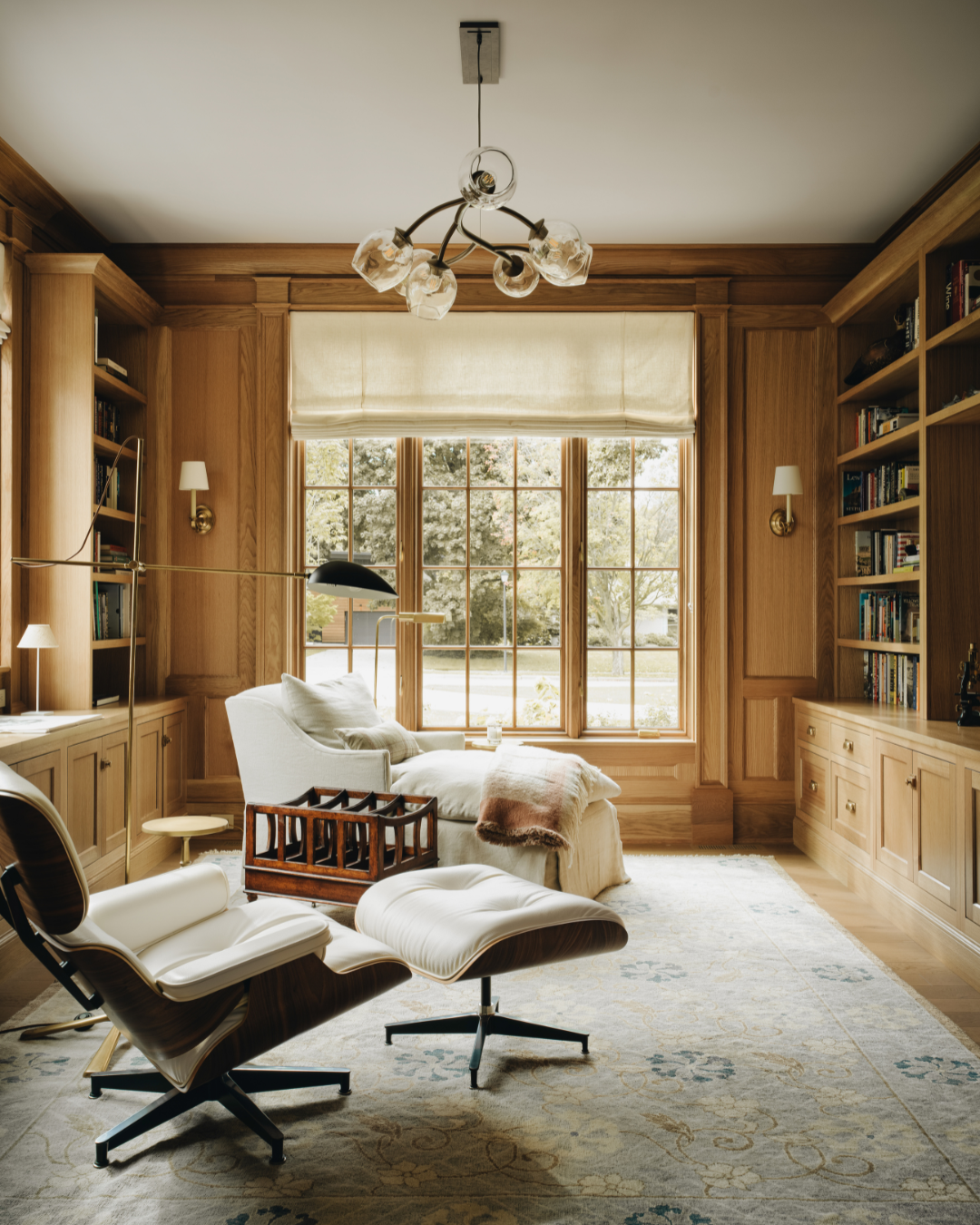
Jean Stoffer for Armac Martin www.armacmartin.co.uk (Photographer: John Stoffer)
Make sure the photography is editorial-ready
Even the most impressive projects need the right visuals to support a story. Photography is often the first thing an editor will judge, so its quality and expressed narrative are a significant factor in how ‘newsworthy’ a project is deemed.
Professional photography, effective styling and considered composition are key. Think beyond the standard portfolio shots and consider: how can the photography help tell the story of the project? If the design was inspired by archival materials, historic references or original architectural details, are there opportunities to bring these influences into the visuals? Could detail shots, material studies, or carefully selected objects help communicate the thinking behind the scheme?
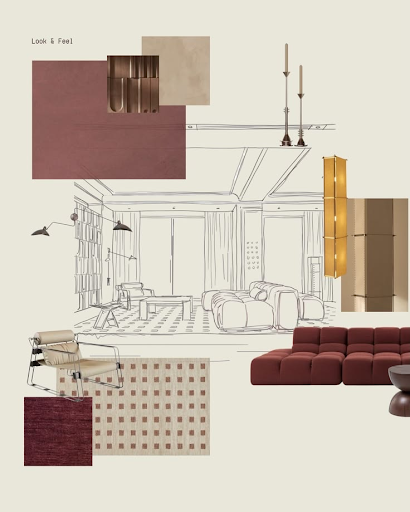
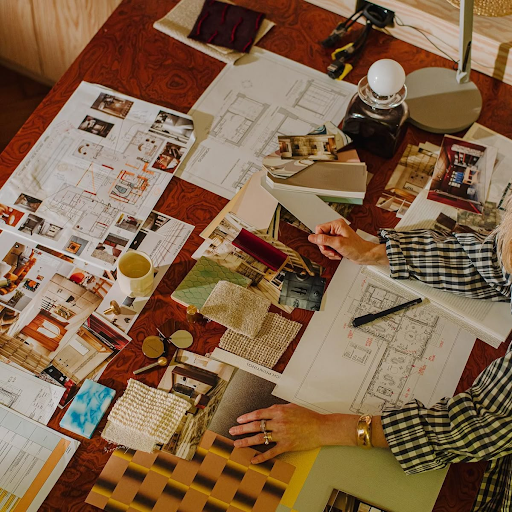
The aim is to create an image bank that goes beyond simply what the finished space looks like. It should give editors a sense of its character, inspiration and the ideas that shaped its conception.
On a practical note, ensure images are captured at a suitable resolution and accompanied by accurate photography credits and project captions.
Get the timing right
Timing is crucial to a successful PR campaign. Ideally, a project should land with press when it is newly completed, with finalised photography, giving editors a timely moment to cover the story while the news is fresh.
Before approaching publications, consider whether the project has already been shared or featured elsewhere. If it has already been covered extensively, editors will be less likely to consider the story, especially if their readers have already seen the images. Content circulates fast these days.
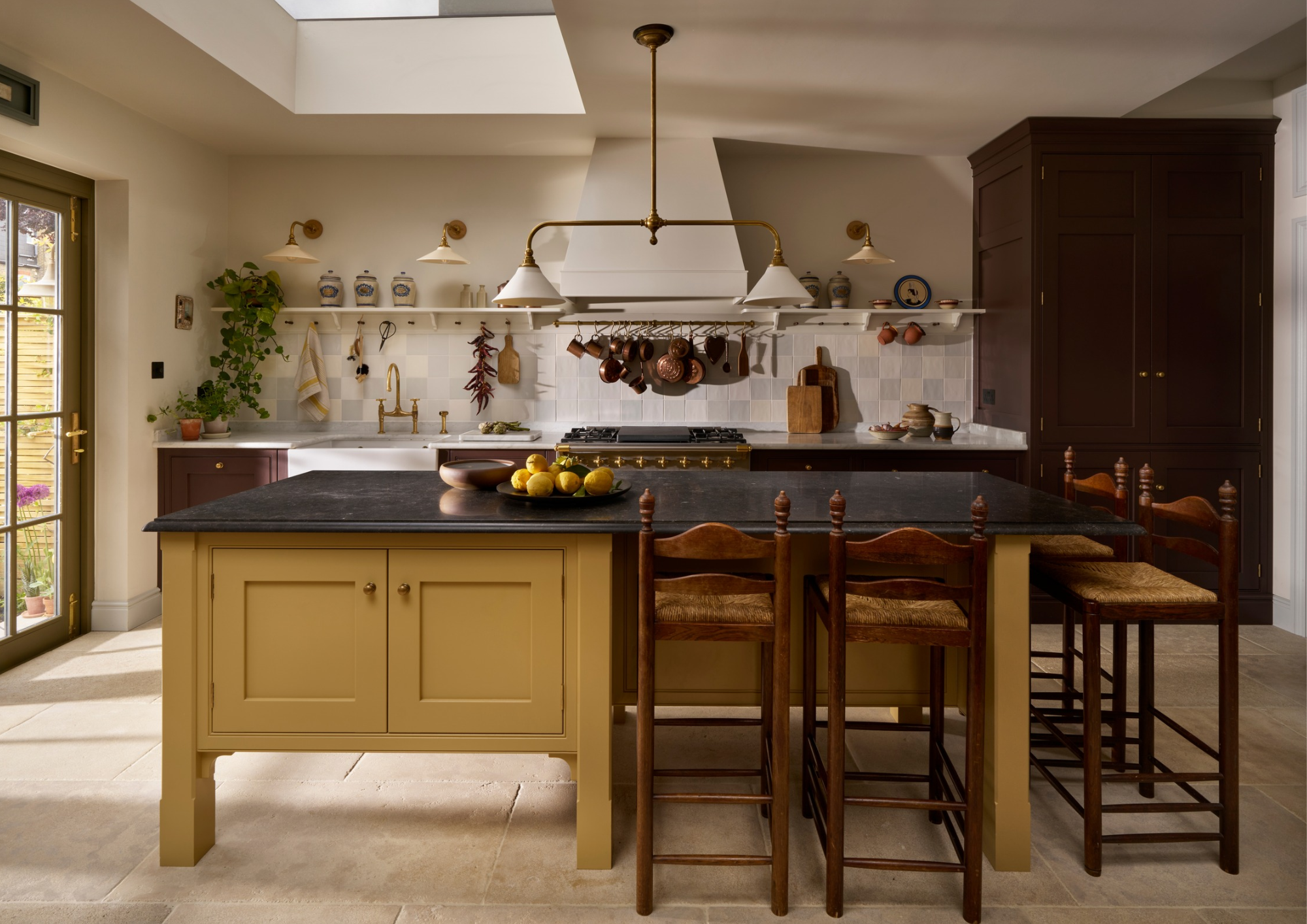
Kitchen by Martin Moore www.martinmoore.com
Depending on the project type, exclusive pitching can be particularly valuable. We always offer the ideal publication for the project a first look, which can create a draw, especially when reaching out to titles that specialise in design and architecture features.
Consider how your project news aligns with the wider editorial calendar. How do its aesthetic and key messaging match seasonal trends, annual design round-ups, and themed issues? For example, if your lifestyle photography leans into an autumnal colour palette, it may be worth aligning with A/W issues to capitalise on these opportunities.
The most successful PR campaigns are about more than having something to announce; it’s about identifying the right moment to make the announcement.
Connect the project to a wider conversation
A project becomes more compelling when it speaks to a broader topic. Editors are constantly looking for stories that reflect wider developments in their field, so understanding where a project fits into these conversations can help strengthen its editorial appeal.
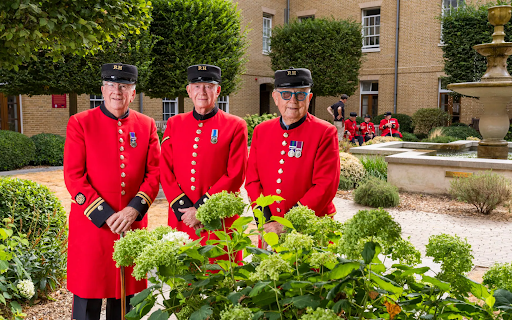
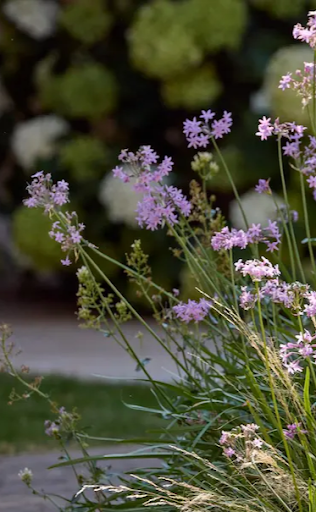
Recent client coverage for Rosebank Landscaping, showcasing the gardens at the Royal Hospital Chelsea
It's equally valuable to consider what's happening beyond the project itself. Are there wider developments within the business that could add another dimension to the story? Perhaps the project coincides with a new business direction, a significant collaboration, an expansion into a new market or a shift in the company's approach.
Looking at the bigger picture can help uncover additional story angles and give journalists a more complete understanding of the business behind the design. These wider themes provide useful editorial context and help publications explain why a project is relevant to their readers and why it matters now.
Have realistic expectations
It's important to understand that even an exceptional project cannot be guaranteed editorial coverage.
Every publication has its own unique audience, editorial priorities and available space within its editorial calendar. Editors constantly evaluate competing stories and adapt their coverage around what best serves their audience at the time.
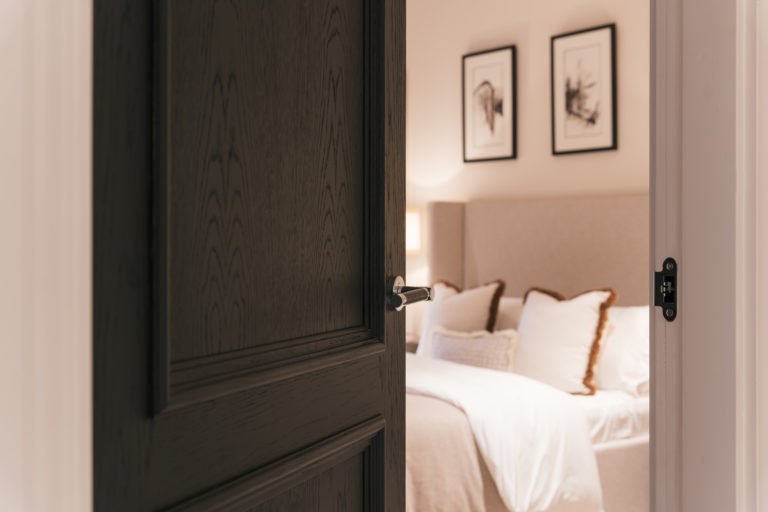
Image courtesy of Turnstyle Designs
A project that speaks to one title may not be appropriate for another in its genre. Equally, a story that doesn't immediately attract coverage may still have potential in a different publication or at another period in their editorial calendar.
Creating opportunities and building relationships with press are often just as important to a successful PR campaign as guaranteeing a specific outcome.
What to consider for your next campaign
Ultimately, a successful campaign starts with gaining an honest understanding of what you have to share.
A beautifully finished project is a fantastic starting point, but the story behind it, the quality of the imagery, the timing of the announcement, and its relevance to the wider editorial calendar will all contribute to its coverage potential.
Considering these elements before approaching the press can help you make more informed decisions and draw out the right opportunities to give your project the strongest possible chance of securing coverage.
Good project PR isn't just about showing people what you've created, but more so crafting a compelling case for why they should be interested.
