

How we discover brands is changing. Where a Google search might once have produced a list of websites to explore, AI platforms are increasingly offering direct answers and recommendations, drawing on information from across the web.
For brands, this raises an interesting question. It's no longer simply about whether your website appears in search results, but whether your business is being recommended, and what information is shaping that recommendation.
For example, a homeowner may ask AI to recommend an interior designer who is experienced in restoring historic homes. The results that are returned will inform their decision-making process. If you and your company are not in those results, or are not accurately portrayed, you may not be considered at all.
What shapes those recommendations matters more than ever, and trusted sources, both from your own company (such as your website) and third-party sources (such as earned media, awards and social media), have never been more important.
So let’s start with a few basics to lay the foundation for success.
What is GEO, and how does it differ from SEO?
In a world of digital media, we love an acronym, and no two are more popular right now than GEO and SEO (three if you throw AEO into the mix, focusing on engineering content to surface in AI results).
Put simply, SEO, or Search Engine Optimisation, is about helping your website appear in traditional search engine results, such as Google, when people search for relevant topics, products or services.
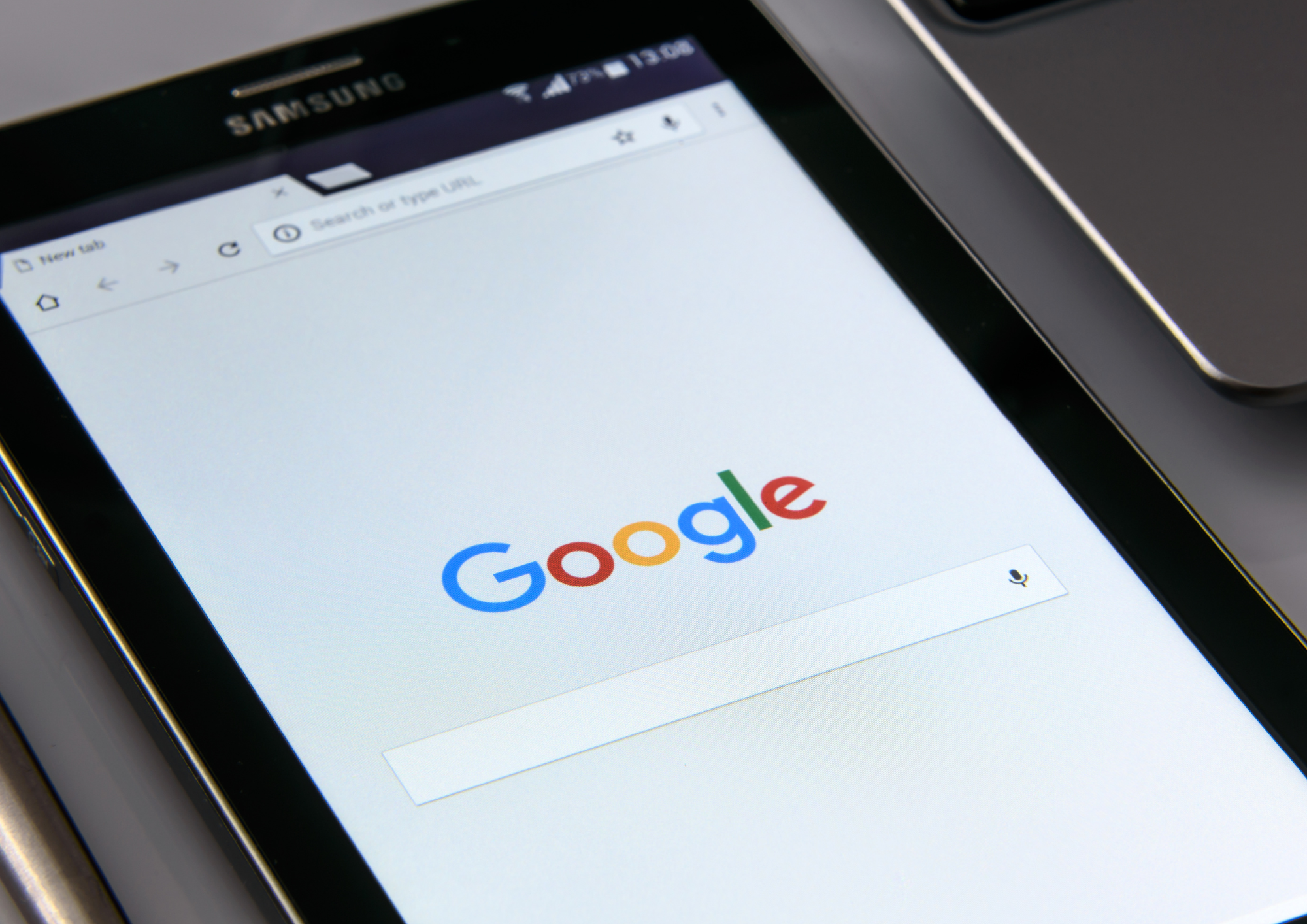
GEO, or Generative Engine Optimisation, takes this a step further, focusing on how brands are discovered, represented and referenced in AI-generated answers from platforms such as ChatGPT, Gemini and Perplexity.
The two are closely connected. While SEO helps search engines find and understand your content, GEO considers how AI platforms interpret information about your brand, including what others are saying about you online.
We have gone into more detail about what GEO is in our guide, but in this article, we are taking it a step further to look at what makes the relationship between PR, earned media and AI search particularly interesting.
Why AI search makes a brand's wider reputation important

AI platforms can draw on a wide range of information when responding to a query, from brand websites and industry publications to interviews, independent research and editorial coverage. Depending on the platform, that information may come from existing model knowledge, live web searches or a combination of the two.
Of course, there's an important distinction between what a brand says about itself and what others say about it. A company's own website, social media and content provide an opportunity to shape its narrative. Independent editorial coverage, on the other hand, offers an external perspective, one that may reinforce a brand's reputation, introduce new information or occasionally tell a different story.
Both contribute to a brand's wider digital presence, and understanding how that information is interpreted and presented by AI is becoming increasingly important.
After all, a brand's website tells its story. Its wider digital presence helps establish how that story is understood.
The role of PR and earned media in AI search visibility

We've established that while strong website and social media foundations remain essential, earned media is having something of a moment. And for good reason. Digital PR helps brands build credibility beyond their own channels, through independent coverage and recognition from reputable third-party sources. This is increasingly relevant to how AI platforms discover, understand and reference brands.
There are several ways in which earned media can contribute to a brand's visibility, including:
Independent editorial coverage and project features
Expert interviews and informed commentary
Recognition in respected industry publications
Relevant awards, collaborations and original research
Credible third-party references to a brand's specialist expertise
The figures make for interesting reading. According to research published by Muck Rack* in October 2026, and specifically findings from an analysis of sources cited in AI-generated answers, more than 84% of AI citations came from earned and third-party sources (broader earned and third-party category includes sources beyond journalism), with journalism alone accounting for 22%. By comparison, owned media represented just 15.2% of citations, while paid and advertorial content accounted for only 0.3%.
*Source: Muck Rack, October 2026 research.
Of course, building this kind of presence takes time, and for smaller studios and practices, investing in external PR support isn't always an immediate priority. But the findings raise an important question: if your brand isn't part of the wider industry conversation, how likely is it to feature when someone asks AI for a recommendation?
For architecture, interiors and design brands, this makes a compelling case for looking beyond their own websites and considering how their expertise, projects and reputation are represented across the wider digital landscape.
What does this mean for architecture, interiors and design brands?
For brands working in the design industry, where reputation, expertise and personal recommendations have always played an important role in winning new business, this shift is particularly interesting.
Consider how a potential client might begin their search for an architect or interior designer. Rather than searching for a broad term such as 'interior designers London', they might ask ChatGPT to recommend a studio specialising in the sensitive restoration of period properties, or an architect with experience designing contemporary homes in the Cotswolds.
These are highly specific enquiries, and they present an opportunity for practices to be recognised for the particular expertise that sets them apart.
The same applies to product brands. A designer researching British-made architectural hardware, bespoke kitchens or sustainable materials might increasingly turn to AI to help identify suitable manufacturers. In these instances, published projects, expert commentary, product features and independent recognition can all help build a clearer picture of a brand's specialism and credentials.
This is where a considered PR strategy becomes particularly valuable. It's not necessarily about securing the greatest volume of coverage, but about appearing in the right publications, contributing to relevant conversations and building recognition for the work you want to be known for.
Of course, there's no guarantee that a particular piece of coverage will result in an AI recommendation. But developing a consistent presence across credible, relevant sources gives brands a stronger foundation for discoverability, both through traditional search and emerging AI platforms.
Why PR, SEO and GEO need to work together

While GEO may be the latest acronym to enter the marketing vocabulary, it shouldn't be viewed as another standalone discipline. Much of what makes a brand visible in AI search is closely connected to the work already being done through PR, SEO and wider digital communications.
A well-optimised website remains important, but so does the reputation a brand builds elsewhere. Editorial coverage, expert commentary, social media and relevant website content all contribute to how a business is represented online. The opportunity lies in making sure these activities work together, rather than treating them as separate parts of a marketing plan.
It's also worth remembering that AI search is still evolving. The platforms, their sources and the way they present recommendations are changing, which makes understanding how your brand currently appears a useful place to start.
In practical terms, this might mean reviewing how a brand appears when potential clients ask AI for recommendations, identifying which publications and websites are being referenced, and looking at whether its own content accurately reflects the expertise it wants to be known for. It's a useful exercise, and one that can reveal gaps between how a business sees itself and how it is being presented online.
Conclusion: A new way to understand the value of PR
For those of us working in PR and communications, there's something reassuring about the renewed attention being given to earned media. The fundamentals haven't changed. Good stories, strong relationships with journalists and a clear understanding of what makes a brand interesting are as important as ever. What's changing is where the value of that work might be seen.
At Sandford, we're increasingly looking at brand visibility through this wider lens, bringing together our experience in PR and digital communications with a closer understanding of AI search.
Our new GEO and SEO Discovery Audit is designed to help brands understand where they stand, from how they appear in AI-generated answers and how they compare with competitors, to the sources influencing those results. It's a starting point for identifying opportunities and making more informed decisions about future communications activity.
Because ultimately, being part of the conversation has always mattered. Now it's worth understanding how that conversation is being found.
Frequently asked questions about PR, GEO and AI search
Can PR help a brand appear in ChatGPT and other AI search results?
Yes. AI platforms such as ChatGPT, Gemini and Perplexity can draw on information published by independent sources when generating answers and recommendations. Relevant press coverage, expert commentary and industry recognition can help establish a brand's reputation and expertise, increasing the opportunities for it to be discovered. However, no individual piece of coverage can guarantee inclusion in AI-generated answers.
How does earned media influence GEO?
Earned media contributes to Generative Engine Optimisation (GEO) by building a brand's presence beyond its own website. Coverage in respected publications, interviews and independent references can provide AI platforms with additional information about a business, its expertise and its reputation. The relevance and credibility of these sources matter, particularly when people are searching for specialist products or services.
Is traditional SEO still important for AI search visibility?
Absolutely. SEO and GEO are complementary, rather than competing, disciplines. Good SEO helps search engines find, understand and index website content, while GEO considers how a brand is represented in AI-generated answers. A technically sound website, useful content and a strong presence across relevant third-party sources all contribute to a more effective discoverability strategy.
