
Foundations of a Luxury Brand Marketing Strategy
Luxury brands have always operated by different rules. Where mass-market marketing is built on scale and visibility, luxury depends on restraint. Desire is cultivated slowly, often through narrative, cultural credibility and carefully controlled access.
Understanding the foundations of a luxury brand marketing strategy means recognising that prestige rarely comes from conventional promotion. Instead, it is built through perception. Craftsmanship, heritage and brand mythology create a sense of value that goes far beyond the product itself.
Today, this balance has become even more nuanced. Luxury houses must maintain exclusivity while operating in a highly visible digital landscape. Public relations, editorial storytelling and curated digital environments now sit at the centre of modern luxury brand strategy, helping brands shape cultural relevance while preserving mystique.
While individual approaches vary, the most successful luxury brands share a set of enduring principles that guide how they communicate, distribute and position themselves in the market.
Why Luxury Marketing Plays by Different Rules
Traditional marketing strategies often focus on reach, frequency and conversion. Marketing for luxury brands tends to prioritise something quite different: long-term brand equity.
Rather than competing on price or availability, luxury brands compete on meaning. Heritage, design integrity and craftsmanship form the foundations of this positioning. The goal is not simply to sell products, but to cultivate desire and reinforce cultural relevance over time.
This is why luxury marketing often places PR, brand storytelling and editorial partnerships at the centre of its communications ecosystem. Thoughtful media placement, cultural collaborations and carefully curated brand moments can reinforce prestige in ways that conventional advertising cannot.
Brand Heritage and Narrative
Storytelling remains one of the most important foundations of a luxury brand marketing strategy. For luxury consumers, the narrative surrounding a brand often carries as much weight as the product itself.
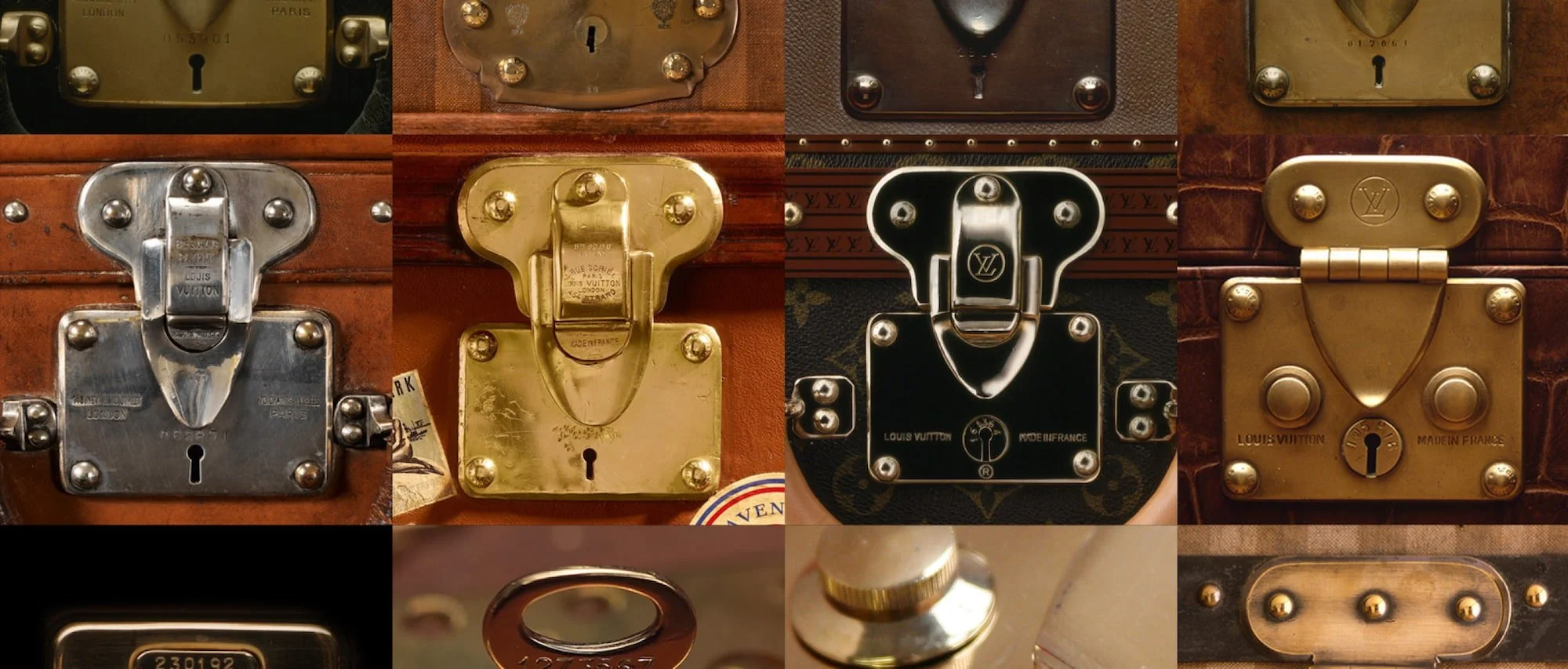
Image credit: Louis Vuitton
Many of the world’s most recognisable luxury houses have spent decades reinforcing their origin stories. Louis Vuitton, for example, frequently draws on its travel heritage and the craftsmanship behind its original trunk-making atelier, while Cartier’s storytelling highlights its long association with royal patrons and exceptional jewellery design.
These narratives create emotional depth and credibility. They also give brands a distinctive voice that can be communicated through editorial storytelling.
Public relations plays a critical role in marketing a luxury brand. Long-form interviews, documentary-style brand films and features in cultural publications allow luxury brands to communicate their heritage in a more meaningful way than traditional advertising.
In this sense, luxury PR often functions as a form of brand journalism, helping shape the narrative around a brand rather than simply promoting individual products.
Controlled Distribution and Scarcity
Scarcity is another defining characteristic of luxury marketing. Unlike mass, high street brands, luxury houses rarely aim to maximise availability.
Selective distribution helps maintain a sense of exclusivity. Limited product releases, curated retail environments and invitation-only events all contribute to the perception that a brand is difficult to access.
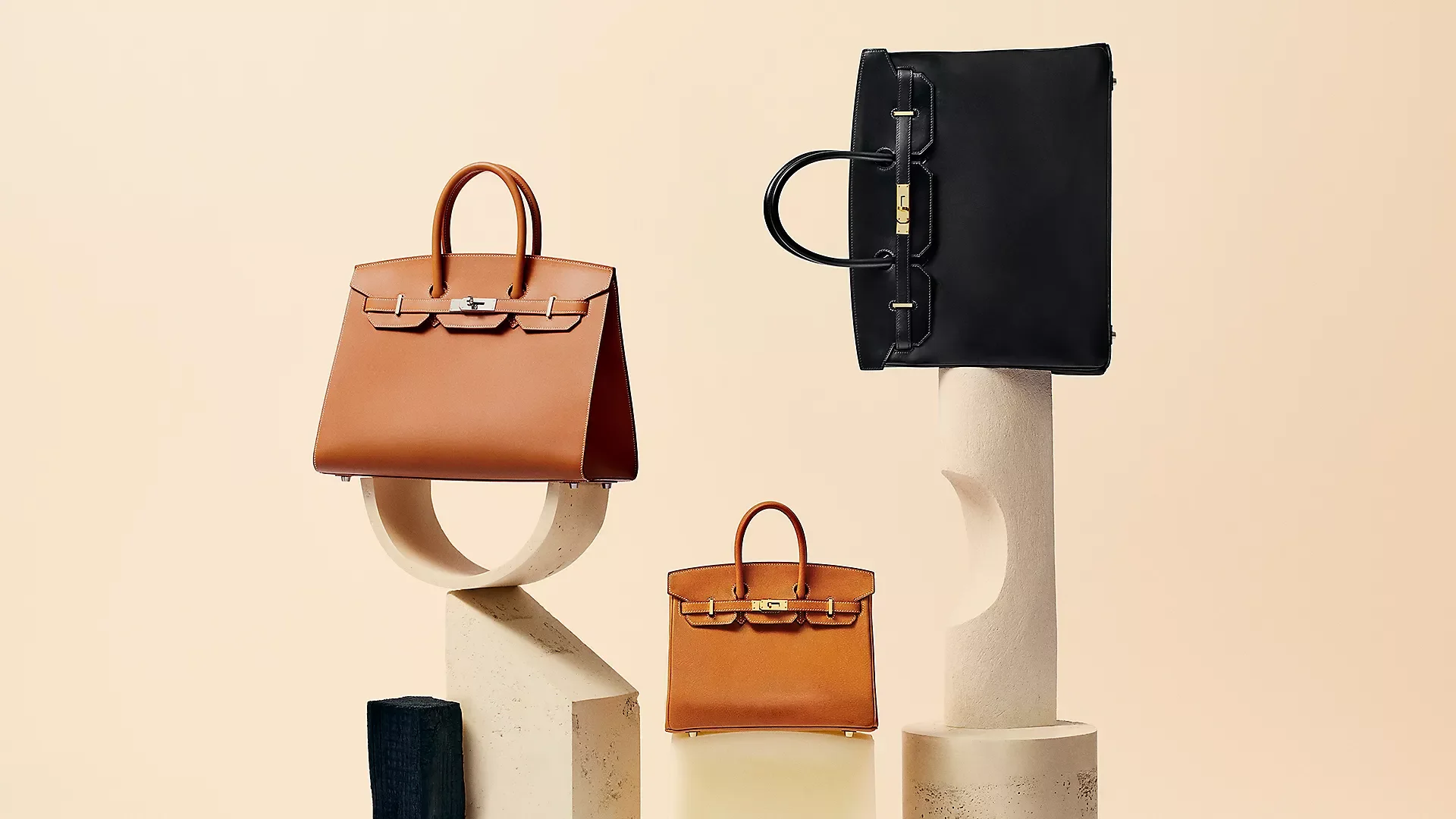
Image credit: Hermès
Hermès provides perhaps the most famous example of this strategy through the Birkin bag waiting list, where scarcity itself has become part of the brand narrative.
Digital platforms have introduced new ways to maintain this exclusivity. Some luxury brands now offer private-client platforms, gated online content, and invitation-only product drops.
These approaches allow brands to maintain controlled access even in an increasingly digital retail landscape.
Visual Identity and Creative Direction
Luxury brands are often defined by the strength of their visual identity. Photography, typography, art direction and campaign imagery all contribute to how a brand is perceived.
Creative directors play a central role in shaping this visual world. From runway shows to campaign imagery and retail design, their responsibility is to evolve the brand creatively while maintaining a consistent identity.
Bottega Veneta offers a notable example. Its distinctive visual language, from understated campaign photography to architectural retail spaces, has helped reinforce the brand’s reputation for quiet luxury.
Digital platforms have expanded the reach of visual storytelling. Instagram, film and campaign photography now function as curated galleries where luxury brands present their aesthetic universe. The emphasis is rarely on frequency. Instead, every image or campaign contributes to a carefully constructed brand narrative.
Cultural Authority and Strategic Partnerships
Luxury brands often reinforce their positioning through cultural alignment and luxury brand influencer marketing. Collaborations with artists, designers and institutions can help signal creative credibility and cultural relevance.
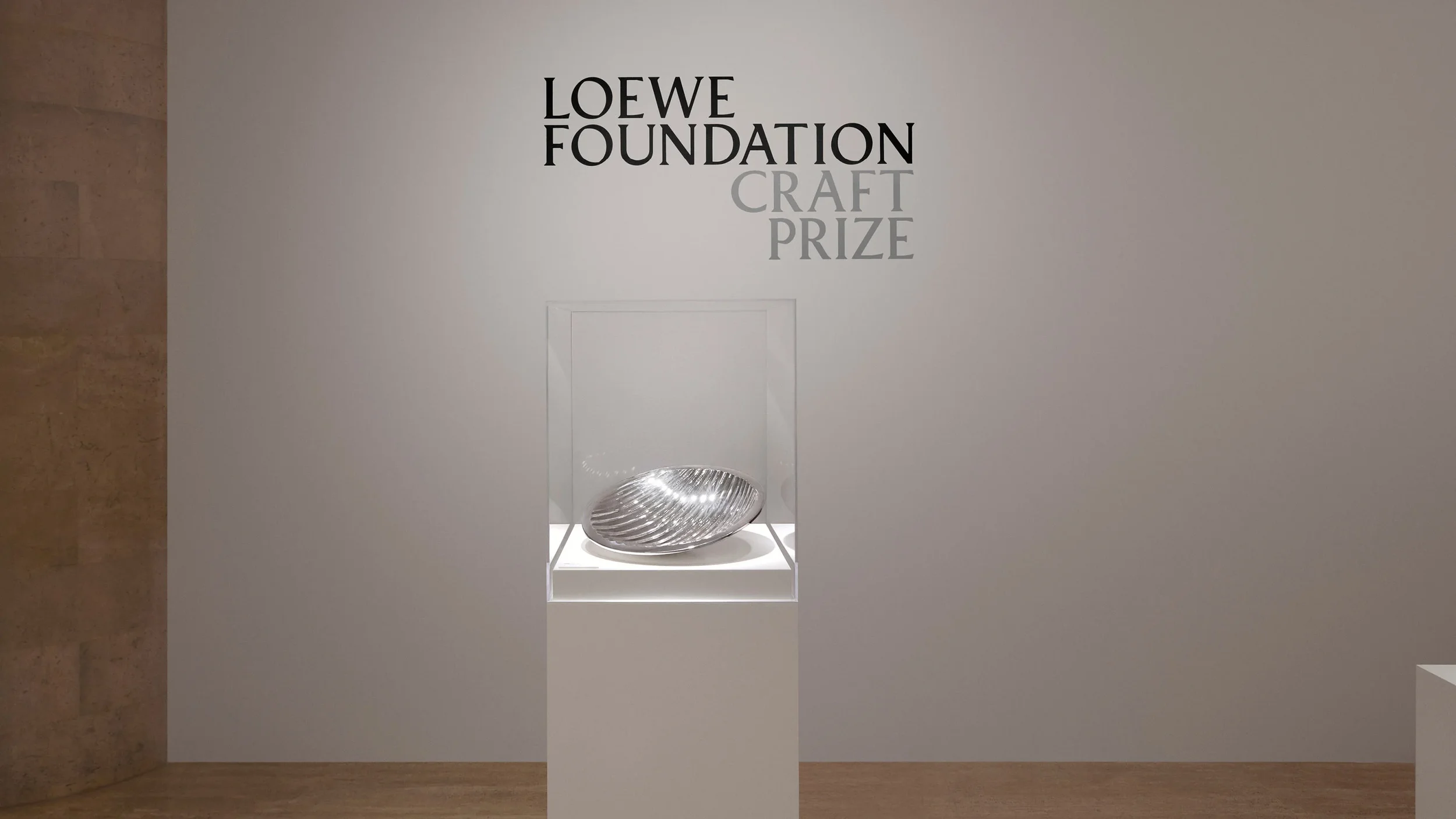
Image credit: Loewe
Loewe has become particularly known for this approach, frequently collaborating with artists and craftspeople through initiatives such as the Loewe Foundation Craft Prize. These partnerships reinforce the brand’s commitment to creativity and craftsmanship.
From a PR perspective, cultural collaborations also generate significant editorial interest. Exhibitions, installations and limited-edition partnerships provide compelling narratives that extend beyond product promotion.
The most effective collaborations feel authentic to the brand’s identity. Rather than chasing visibility, they deepen the brand’s cultural positioning, which in turn differentiates the brand in the market.
High-Touch Client Experience
Luxury marketing extends beyond communication. The client experience itself is often one of the most powerful marketing tools a brand holds.
Personal shopping services, private client events, and bespoke product offerings all enhance the feeling that luxury is about belonging to a world rather than simply acquiring a product. This sense of belonging is increasingly influenced by shifting consumer behaviour in luxury markets, especially as younger audiences begin to redefine what luxury entails.
For Gen Z consumers, exclusivity alone no longer suffices. Authenticity, transparency, and personal relevance now play a bigger role in how value is perceived. This shift underscores how consumer perceptions shape luxury brand marketing, with brands needing to balance heritage with a more human, personalised approach.
Technology is increasingly facilitating these relationships. Client platforms and the growing use of AI tools enable brands to personalise communication and sustain direct relationships with their most valuable customers, while still maintaining a sense of discretion.
For many luxury houses, their most loyal clients are treated less like customers and more like members of a private community, where access, recognition, and personal connection define the experience.
PR as a Core Marketing Engine
Public relations has long been a cornerstone of luxury brand marketing. Earned media carries a level of credibility that traditional advertising often cannot replicate.

Editorial placements in influential publications help reinforce brand narratives and cultural authority. Rather than pursuing volume coverage, luxury PR strategies typically focus on carefully selected media environments that align with the brand’s positioning.
Fashion week, cultural partnerships and exclusive events often provide the moments that generate global media attention. These moments become opportunities for storytelling, helping shape how a brand is perceived within the wider cultural conversation.
In many ways, PR functions as the connective tissue between brand storytelling, cultural relevance and media visibility.
Digital Presence Without Overexposure
Digital platforms have fundamentally reshaped how luxury brands communicate with their audiences. The challenge is maintaining exclusivity in an environment defined by accessibility.
Most luxury houses approach digital channels with restraint. Social media often functions less as a direct sales platform and more as a curated storytelling environment.
Campaign films, editorial photography and digital brand publications allow luxury brands to build immersive narratives online. Some houses have introduced digital journals or editorial platforms that explore themes related to craftsmanship, culture and design.
The objective is not constant visibility but thoughtful presence through coherent digital marketing strategies.
Consistency Across Every Touchpoint
One of the most overlooked foundations of luxury marketing is consistency. Every interaction with a brand contributes to its perception.
Website design, packaging, retail architecture and tone of voice must all align with the same brand codes. Even subtle inconsistencies can weaken the perception of quality and attention to detail.
This is why luxury brands invest heavily in brand guardianship. Maintaining a consistent identity across every touchpoint ensures the brand experience remains recognisable and coherent.
The Future of Luxury Brand Marketing
While the core principles of luxury marketing remain remarkably stable, the channels through which brands communicate continue to evolve.
Digital storytelling, experiential marketing and cultural partnerships are becoming increasingly important. At the same time, luxury brands must navigate a digital environment that makes exclusivity more difficult to maintain.
The brands that succeed will be those that balance heritage with innovation. By protecting the foundations of their brand while adapting their storytelling for modern audiences, they can continue to cultivate the sense of desire that defines true luxury.
Final Thoughts
The foundations of a luxury brand marketing strategy remain rooted in perception, storytelling and cultural relevance. Rather than chasing visibility, luxury brands build desire through carefully curated narratives, selective exposure and exceptional client experiences.
Public relations, digital storytelling and brand heritage now work together to create the modern luxury ecosystem. When these elements are aligned, they form a powerful framework for building prestige that endures far beyond individual campaigns.
If you want to discuss your luxury brand’s marketing strategy, get in touch today.
