
London Design Festival 2026
Every September, London Design Festival brings exhibitions, installations, talks and product launches to districts across the capital. Following Milan Design Week and Copenhagen’s 3daysofdesign, it inevitably arrives with expectations already set high. The question is how London will respond.
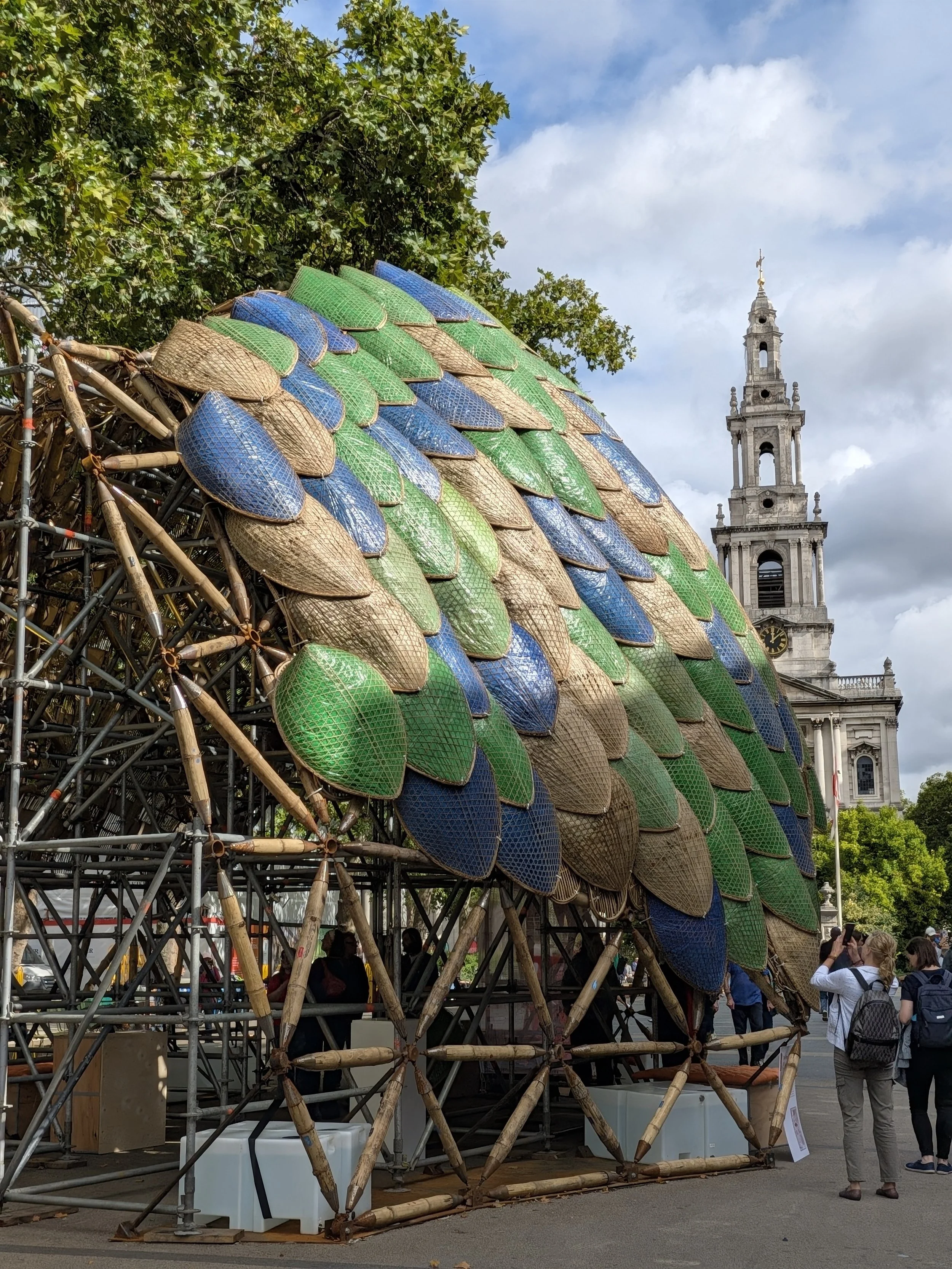
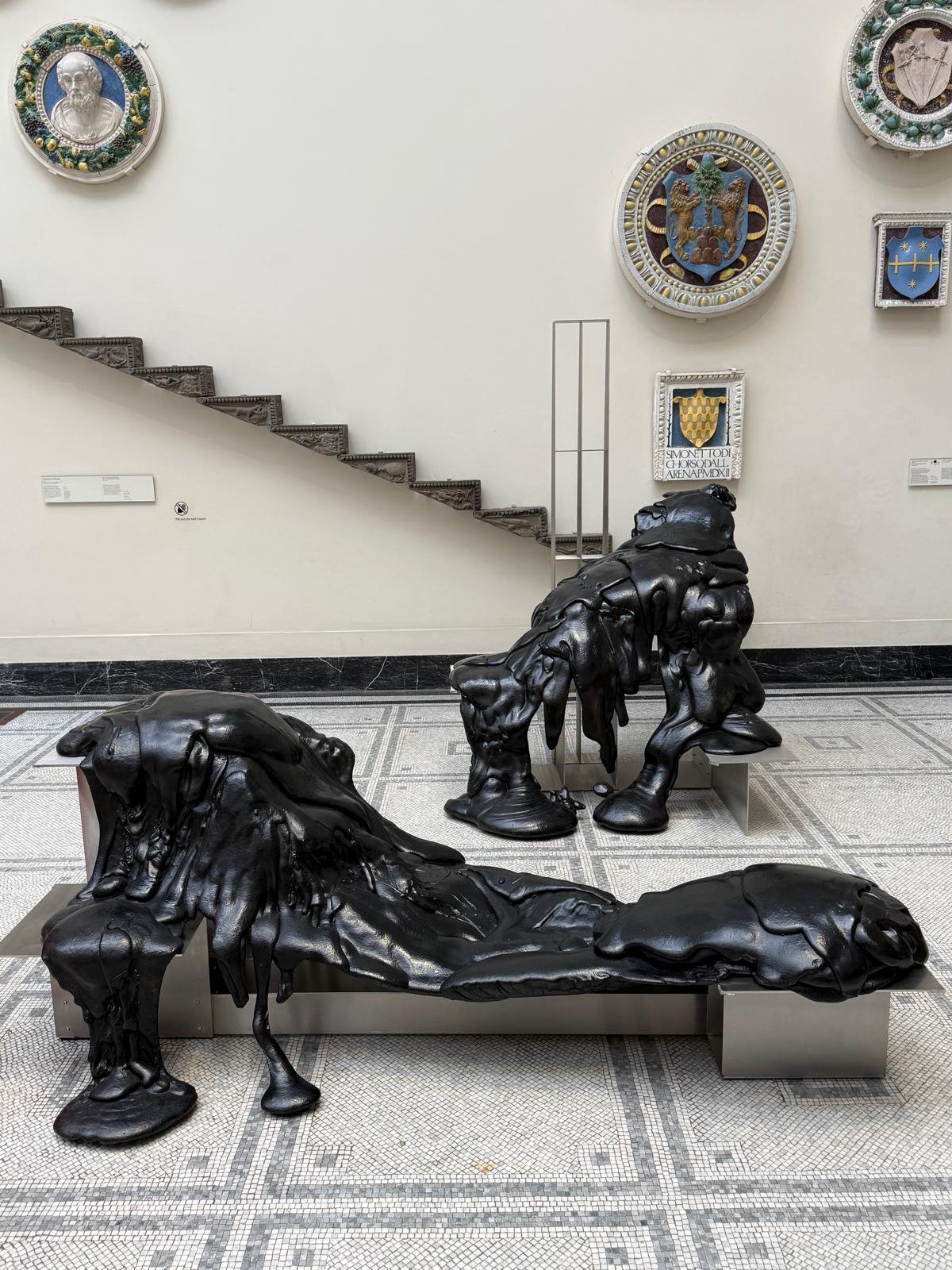
Landmark Project: The Pangolin Shield at Somerset House and ‘Lovers Hold’ by Henry Svendsen at the V&A
This year, the week-long programme opened against the backdrop of the Design Council’s newly published 2026 report, Design Economy: Driving Good Growth Across the UK. Its findings offered fresh grounds for optimism about design’s contribution to the UK economy and the early signs of renewed confidence across the creative industries.
When we chatted with Festival Director Ben Evans during Brompton’s Late Night, he agreed that this year felt different, with a sense of positivity and energy he had not experienced for some time.
So, which London Design Festival events and districts stood out in 2026?
Where does London Design Festival take place?
LDF is spread across the city, divided into districts from east to west and north to south. This year was no exception, with eleven official districts taking centre stage. These were:
Bankside Design District
Blackhorse Creates
Brompton Design District
Chelsea Design District
Dalston to Stokey Design District
EC1 Design District
Fleet Street Quarter
Mayfair Design District
Park Royal Design District
Shoreditch Design Week
Soho Design District
Beyond these, several Landmark Projects and satellite activations pop up across the capital for people to explore. Unlike 3daysofdesign, navigating LDF can feel overwhelming, and finding which projects and events live up to the hype can be tricky. Side note: we’d recommend subscribing to Amy Frearson’s Curated Maps for a well-curated, quick, and easy way to find what’s on and where at major design festivals!
Two districts to note this year were Shoreditch and Soho. In Shoreditch, Media 10 launched Shoreditch Design Week as the new incarnation of the long-running Shoreditch Design Triangle, with Duncan Riches as creative director. Soho Design District also joined the festival for the first time, highlighting the area’s long-standing creativity and cultural influence.
The reality is that you can never get to all the districts, but you quickly get a sense from people what is worth the schlep across the city, and what is not.
London Design Festival highlights
The Reinvention of Shoreditch Design Week
At the top of our list was Shoreditch Design Week, which brought fresh energy to the district.
In an interview with Dezeen’s Cajsa Carlson, Riches highlighted that Shoreditch is best known for its nightlife: its bars, restaurants and clubs. It’s less known for its daytime scene. His challenge was how to bring the design trade back to Shoreditch during the day to experience the talent and expertise on display there.
The programme was divided into four core areas: House of Icon, Material Matters, New Designers and Neuroplaces, with plenty of showrooms and activations in between. A useful and easy-to-navigate app also made it much simpler to plan our visit. Digital additions don't always add value, but here the app genuinely enhanced the experience.
House of ICON at Shoreditch Town Hall was our first stop. It was largely a trade fair, with the inevitable rows of stands and brands hoping to catch your eye, but 2LG’s Messy Heart was a highlight. The fourth edition of their You Can Sit With Us showcase brought together emerging designers alongside Jordan and Russell’s new lighting collaboration with North South AD. The duo are rightly proud of the talent they’ve championed, with some past participants now exhibiting elsewhere across the festival.
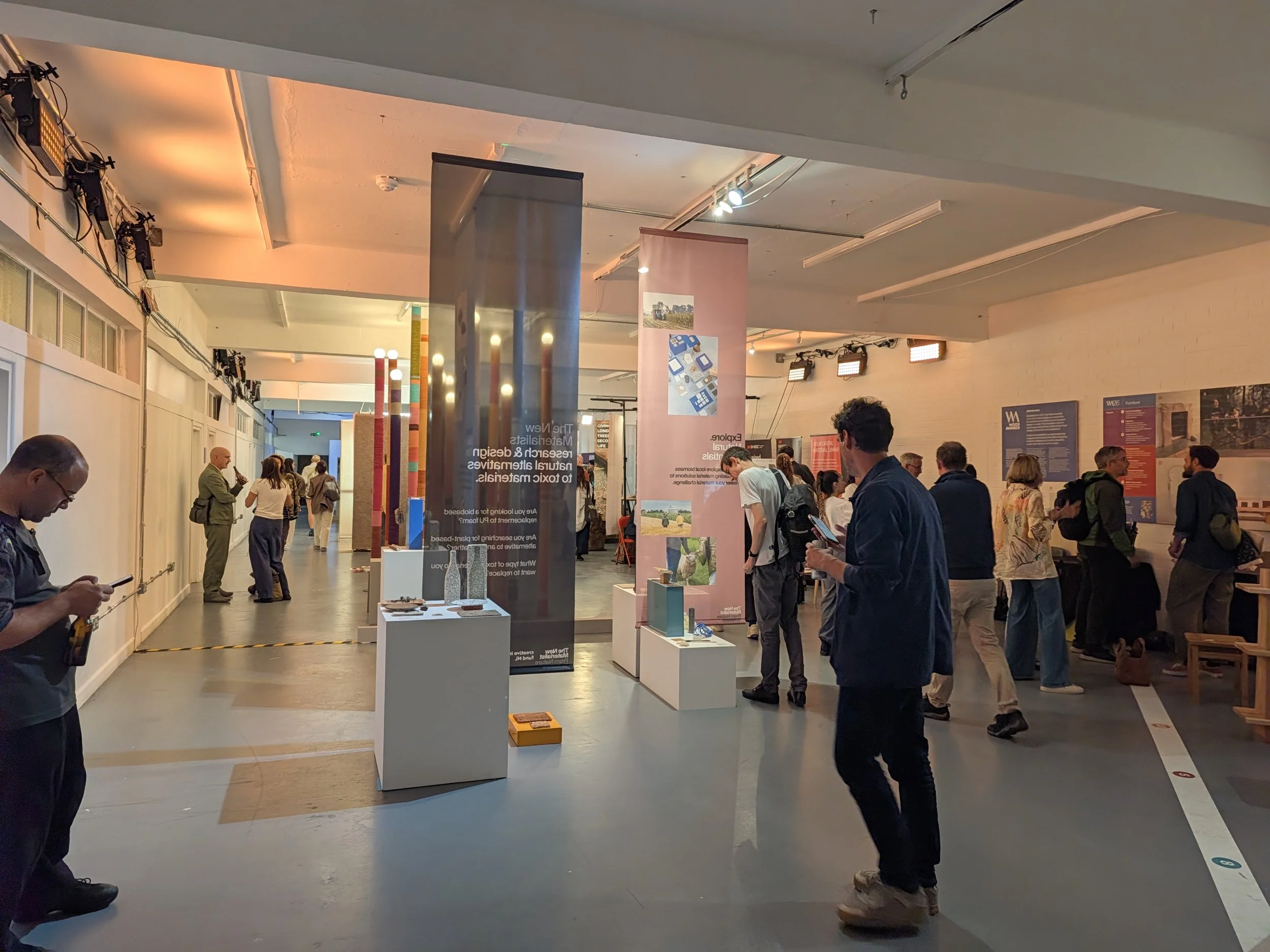
Material Matters at Unlocked Shoreditch
Material Matters was in its new location, Unlocked Shoreditch, which felt both familiar and different. Co-founders and curators Grant and Will brought together a strong mix of exhibitors, talks, and awards, making it one of the liveliest stops on our Shoreditch visit.
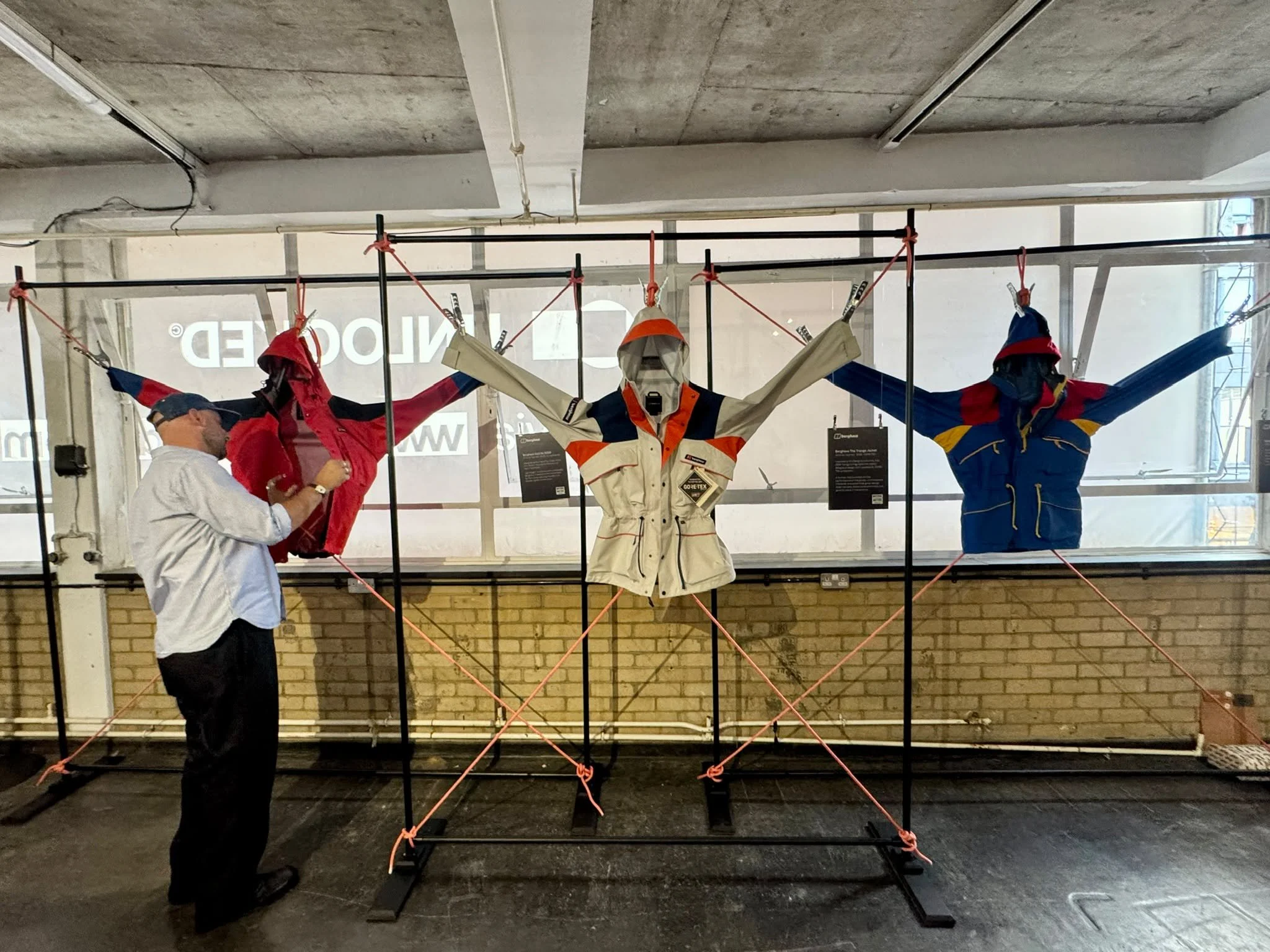
Berghaus at Material Matters
Central to the event was an exhibition by Berghaus, a brand doing some really exciting things with performance and technical materials. Their exhibit aimed to spark dialogue around durability, innovation, and products designed for longevity.
We always love New Designers and seeing what the latest up-and-coming talent has to offer. This year, they brought a pop-up - ND Selects - to Shoreditch to showcase select designers and the new generation of creativity. Highlights for us included Yiling Wu’s innovative embroidery techniques, Riolab Ceramics’ terrazzo jewellery boxes and Ceramakka’s beautiful cloud-like forms.
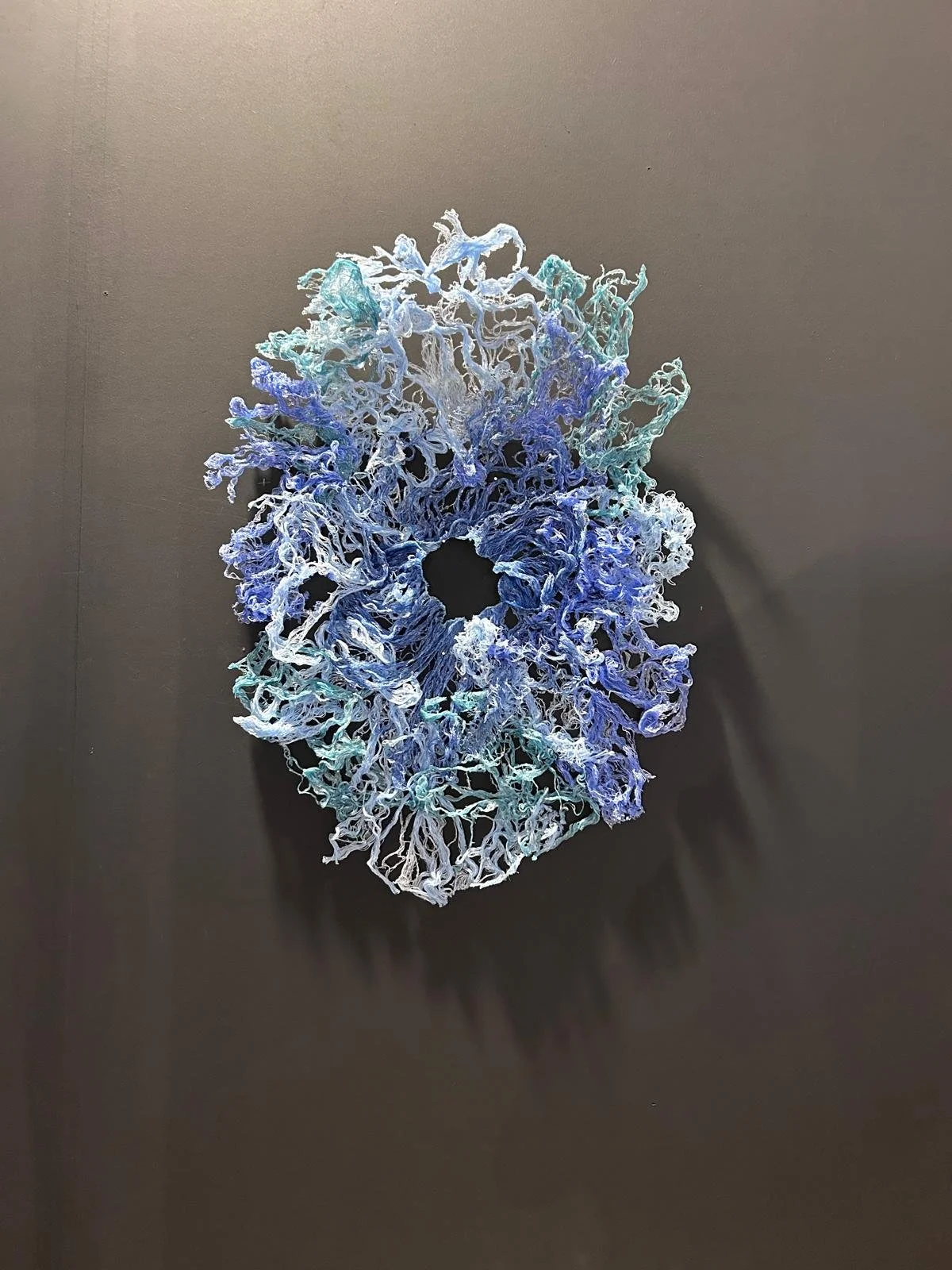
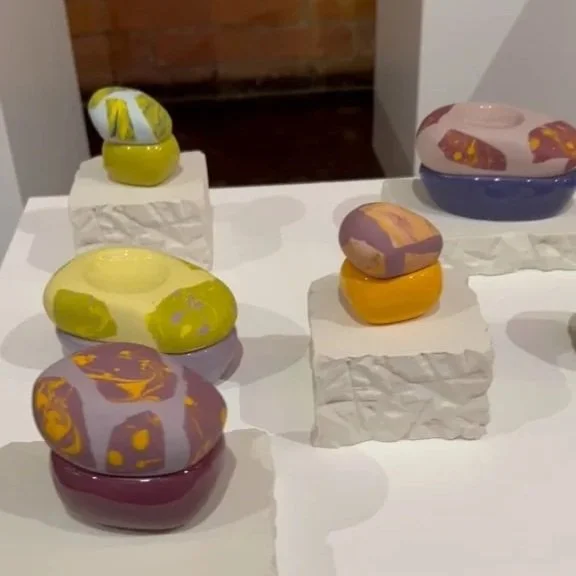
Yiling Wu and Riolab Ceramics at ND Selects
The new Neuroplaces event wrapped up the set, bringing together brands and speakers exploring how to make workplaces and other spaces more inclusive of neurodivergent people. On arrival, visitors could choose a red, yellow or green lanyard to show how open they were to conversation, an idea we’d happily see adopted at other events! The wayfinding was excellent, and the Neuroplaces Conference used wireless headsets for its talks, making it easier to listen amid the bustle of the exhibition.
The exhibition itself, however, still felt closer to a conventional trade show, with limited narrative connecting the stands. Even so, it was encouraging to see neuroinclusive design taken seriously and given a central place in the Shoreditch Design Week programme.
Duncan and his team have clearly put a great deal of thought into making Shoreditch a district worth exploring. We enjoyed our time there: the programme felt fresh and well put together, and it was easy to find our way around, which you can’t always say about a design event.
How did other design districts compare?
Brompton Design District
In recent years, Brompton, one of LDF’s original design districts, has struggled to match the energy of some of its newer counterparts. With less focus on the V&A and showrooms that sometimes lacked inspiration or a story to tell, it had begun to feel a little flat.
This year felt different. Alex Tieghi-Walker curated much of the programme, with exhibitions across Cromwell Place, The Lavery, and nearby pop-ups. We particularly enjoyed Isamaya Ffrench’s Studio Iron exhibition and Homenkà’s Our Parlour at The Lavery, as well as the RCA Design Products exhibitions on Thurloe Place. Together, they gave us plenty of reasons to spend more time in Brompton.
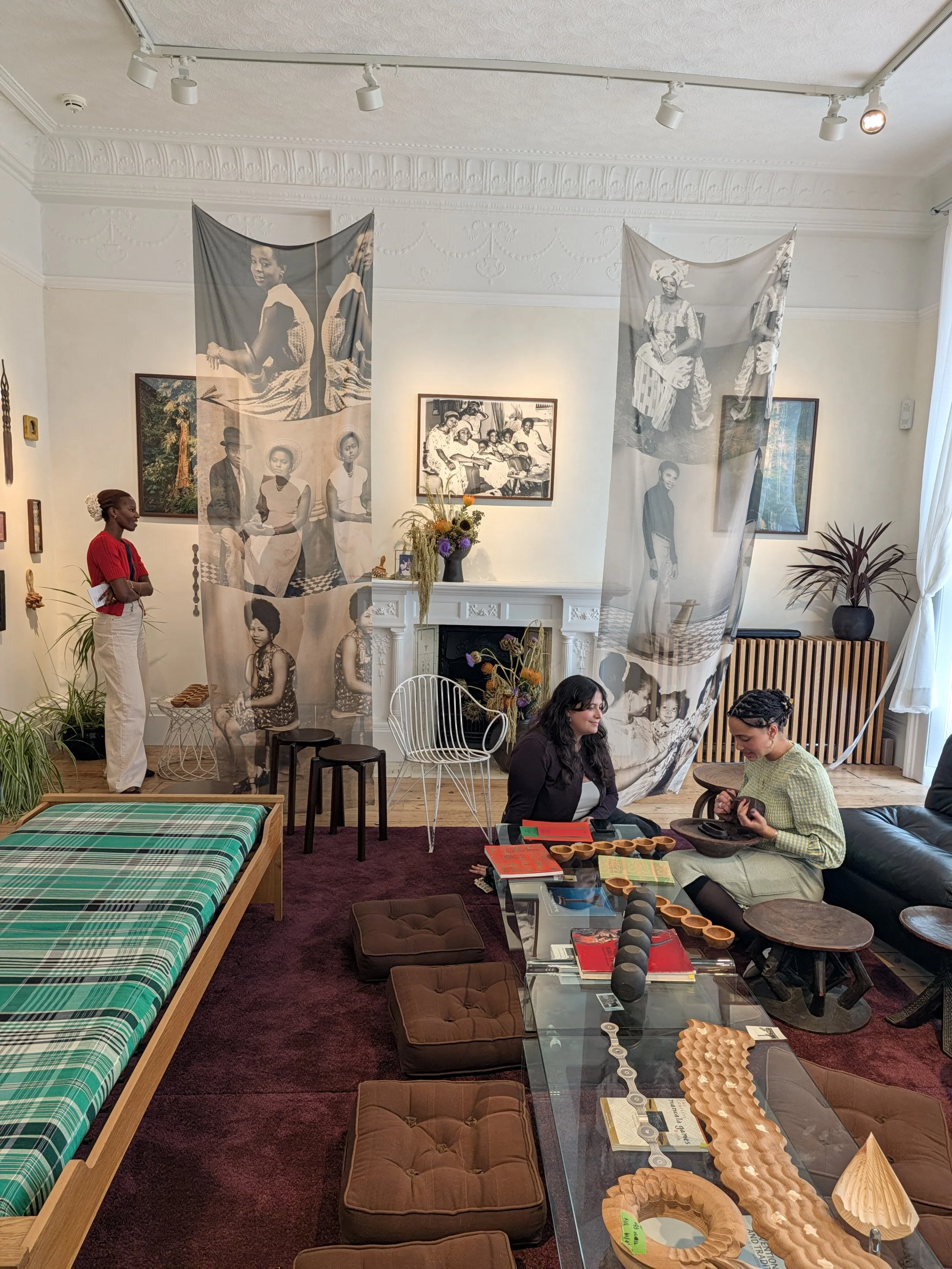
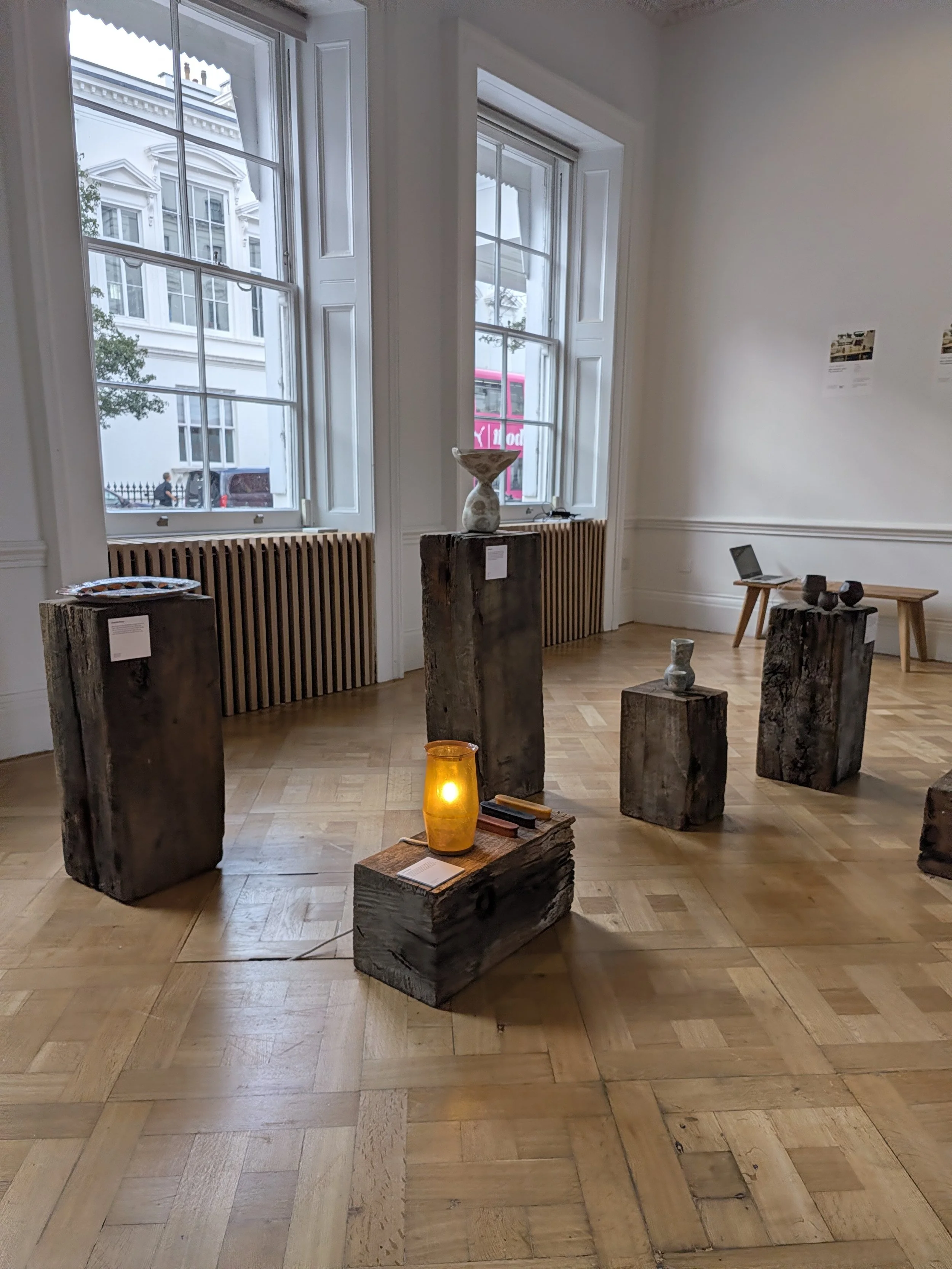
Homenkà Collective and Toast at Cromwell Place/The Lavery
The V&A also falls within Brompton Design District but, again, we found it lacked the clear wayfinding that Neuroplaces handled so well. We were left wandering the galleries, searching for installations marked by red signage.
Soho Design District
In its first year, Soho Design District set out to celebrate the area’s long-standing creativity and cultural influence. One of its main draws was Bocci’s collaboration with Bethan Laura Wood, Labyrinth Dreams, a lighting collection inspired by David Bowie’s 1986 film Labyrinth. The blown-glass rechargeable lights were striking, but we felt the story behind them could have been told more clearly.
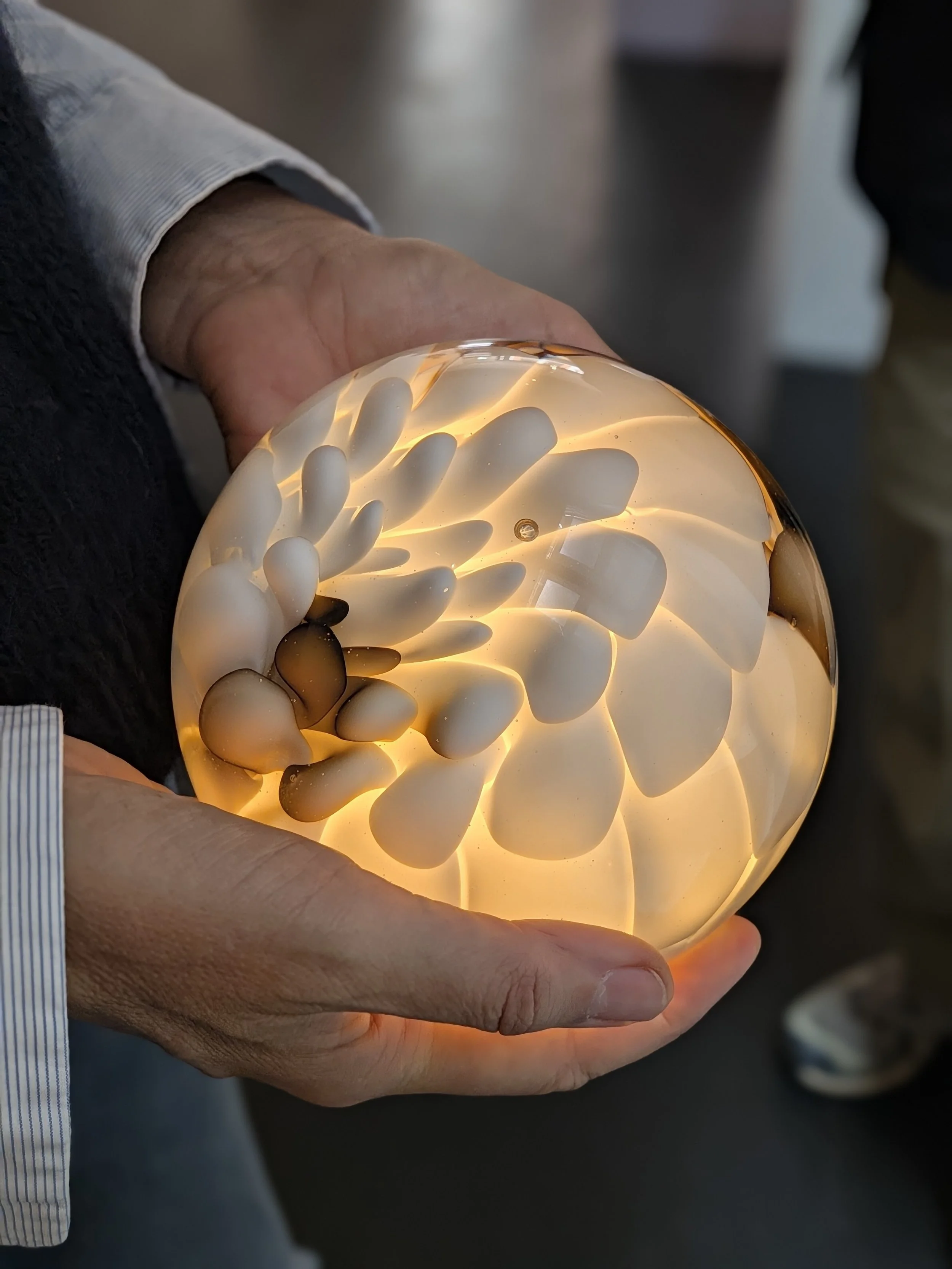
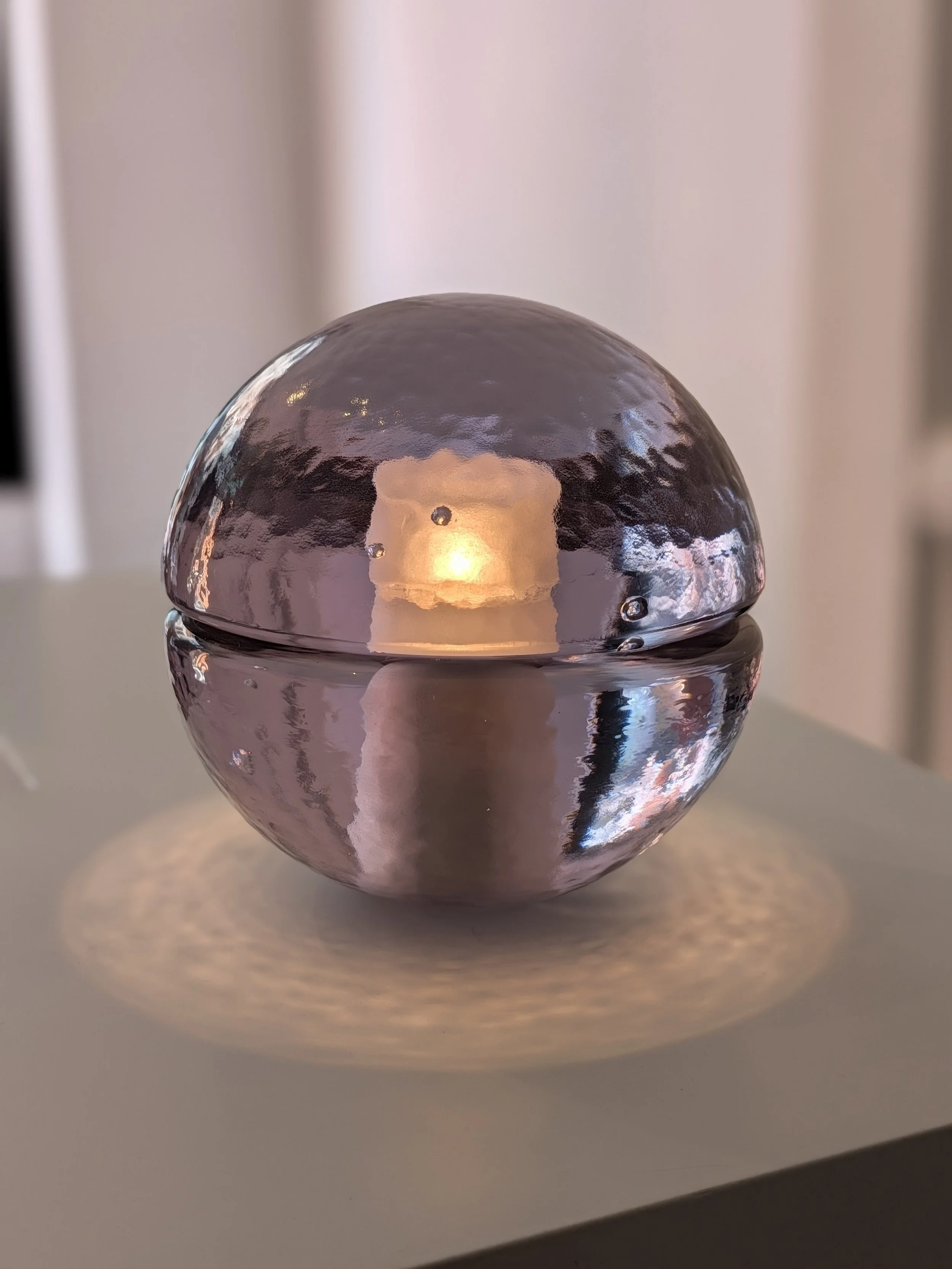
Bocci x Bethan Laura Wood
Elsewhere, the district did not yet feel fully formed, although a new addition of this scale will inevitably need time to establish itself. We hope to see it return in next year’s schedule, bigger and better.
Other notable Installations
Over at the Barbican, MADE presented an installation to mark the launch of its new interiors collection inspired by the estate’s architecture and original show flats. There were some lovely pieces, though the installation itself didn’t quite capture our imagination in the way others did.
A trip to Wapping Hydraulic Power Station for The Art of Sound, featuring installations by Chris Watson and Max Cooper, left us without charge: despite the published opening hours, we arrived to find it closed. We’d earmarked it as a must-see, both for the sound works and the rare chance to explore a building that had been closed to the public for 13 years. It was a shame to miss out on both.
We also stopped at St Paul’s to see Mykola Kabluka’s The Point of Unity. In daylight, its mirrored surfaces reflected the sky and the cathedral surroundings, though the experience didn’t move us as some of the other installations did. It left us thinking again about the value of on-site storytelling, something we saw done so well in Milan but felt was missing at times during LDF.
Where next for London Design Festival?
We enjoyed joining Ed Barber and Jay Osgerby in Brompton Design District for the launch of their new range with Kartell. During their conversation with Kartell’s Global Marketing & Retail Director, Lorenza Luti, Jay made an observation about London’s creative history that stayed with us.
When they graduated in the early 1990s, Ed and Jay entered the profession during a recession. Jay reflected on how that difficult start gave them, and many of their peers, the drive to establish studios of their own. London, he said, was then, and remains today, a place where creative ambition can find support and room to grow.
The Mayor of London, Sadiq Khan, expressed a similar confidence in the city’s creative sector when he spoke to Amy Peacock for Dezeen ahead of the festival:
“The festival is an incredible advert, drawing international attention, investment and visitors as it welcomes more than 600,000 visitors.”
While acknowledging Brexit's serious impact on the UK’s competitiveness, he described the capital as a creative powerhouse and LDF as an important demonstration of London’s international influence.
“Our capital is a powerhouse for the creative industries and LDF is a fantastic example of our influence in the design industry. The festival promotes our city's creativity, drawing in the country's greatest thinkers, practitioners, retailers and educators to deliver an unmissable celebration of design.”
Throughout the week, we saw signs of that confidence. From The Pangolin Shield outside our home at Somerset House to the new Soho district and the renewed energy in Shoreditch, there was a sense of pride and optimism, even where the programme didn’t quite deliver. With LDF’s 25th edition coming in 2027, we’re excited to see where that momentum leads.
